THE ADVENTURE COLLECTIVE® · Independent discovery and booking for outdoor travel

A long, full-day transfer from Hurghada to Cairo that packs the Egyptian Museum, the Giza pyramid complex and the Sphinx into one intensive cultural day. Expect early pickup, desert highway scenery, and guided visits to iconic sites.
A long, full-day transfer from Hurghada to Cairo that packs the Egyptian Museum, the Giza pyramid complex and the Sphinx into one intensive cultural day. Expect early pickup, desert highway scenery, and guided visits to iconic sites.
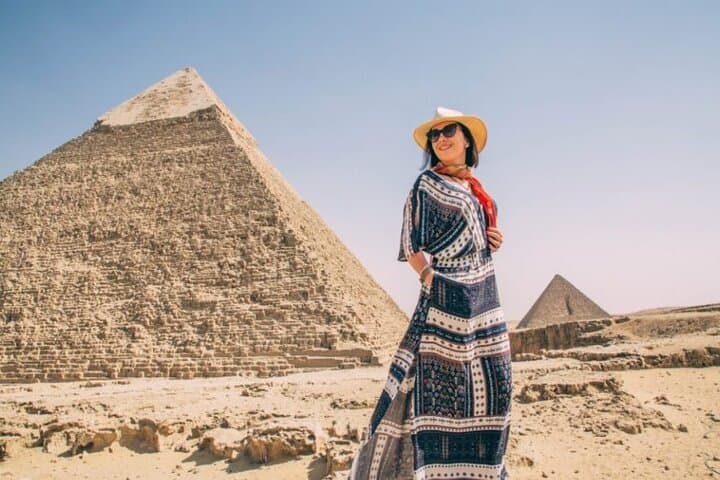
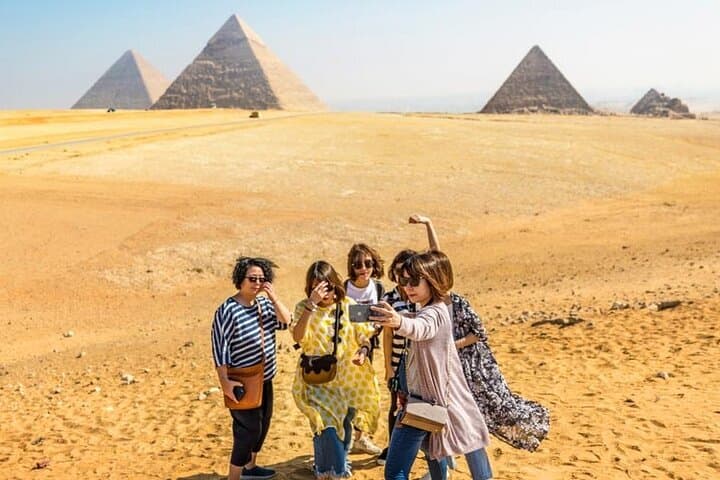
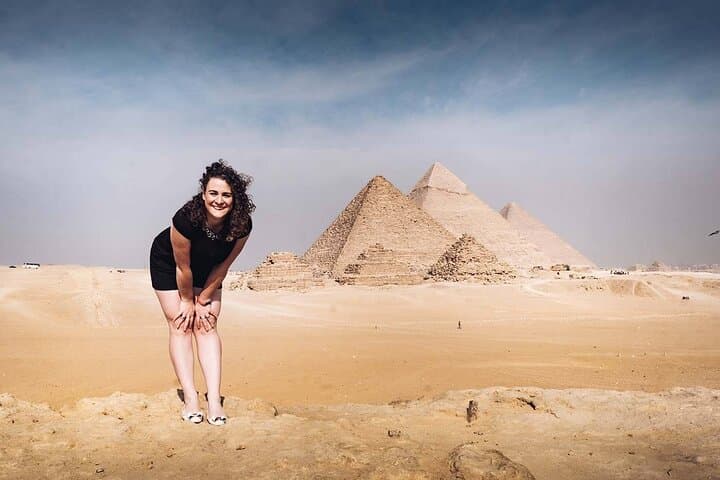
You leave Hurghada before dawn, the desert light a pale wash as the coach pushes west along the desert highway. By midmorning the city keeps you awake: the Nile’s green ribbon threads through a sprawl of sandstone buildings, car horns and the smell of frying falafel. Standing before the Great Pyramid, the scale hits first—the blocks rise like an engineered mountain, and the Sphinx watches the plain with a human patience that seems older than the language around you.
Verified experiences and guided adventures in the surrounding area.
Operated by AMICO TOURs · Cairo, Cairo Governorate
You leave Hurghada before dawn, the desert light a pale wash as the coach pushes west along the desert highway. By midmorning the city keeps you awake: the Nile’s green ribbon threads through a sprawl of sandstone buildings, car horns and the smell of frying falafel. Standing before the Great Pyramid, the scale hits first—the blocks rise like an engineered mountain, and the Sphinx watches the plain with a human patience that seems older than the language around you.
Cairo is layered history: Pharaonic tomb architecture on a limestone plateau, Coptic corners folded into medieval streets, and modern Cairo built along the floodplain of the Nile. Geologically, the Giza plateau is a raised limestone bench; the pyramids were quarried from the same stone that now supports them. Culturally, expect loud bargaining in nearby markets and hearty, spiced meals—koshary and ful that have fed generations.
Practical guidance: the day is long (roughly 17 hours door-to-door including transfer time), so plan for early pickup and late return. Wear sturdy shoes for sand and uneven stone, carry at least 2 liters of water, sun protection, and an extra battery or power bank for photos. Security checkpoints are routine; keep ID handy. The museum and pyramid complexes include guided entry in most tours, but interior access to pyramids is limited and may require an additional ticket. Allow time for shopping if you want papyrus or a camel photo—haggling is expected. Pace yourself: the desert sun can sap energy quickly, so hydrate, rest in shaded areas, and follow your guide’s local advice.
easy.
17–18 hours.
Basic fitness for walking on uneven ground and standing during guided talks; not strenuous but expect a long day.
Expect a coach transfer of roughly 5–6 hours each way depending on traffic and stops—this tour is a long day but includes transfer time in the schedule.
This tour listing includes admission to the Egyptian Museum and Giza complex, but optional extras (like interior pyramid access or special exhibits) may require separate fees on site.
The tour is listed as physically easy and suitable for most fitness levels, but uneven ground and steps at sites can be challenging; infants must sit on laps per provider policy.
Lunch is included on this tour; bring snacks for the transfer and inform the operator of dietary restrictions in advance.
The Giza pyramids date to the 4th dynasty (c. 2600–2500 BCE); the Egyptian Museum in Tahrir Square houses extensive Pharaonic collections, including artifacts from Tutankhamen.
Visitor pressure and pollution affect monuments and museum conservation; stick to pathways, avoid climbing on ruins, and follow guide instructions to help protect fragile sites.
AMICO TOURs operates guided outdoor trips and adventures with an emphasis on safety, stewardship, and memorable experiences.

You leave Hurghada before dawn, the desert light a pale wash as the coach pushes west along the desert highway. By midmorning the city keeps you awake: the Nile’s green ribbon threads through a sprawl of sandstone buildings, car horns and the smell of frying falafel. Standing before the Great Pyramid, the scale hits first—the blocks rise like an engineered mountain, and the Sphinx watches the plain with a human patience that seems older than the language around you.
You leave Hurghada before dawn, the desert light a pale wash as the coach pushes west along the desert highway. By midmorning the city keeps you awake: the Nile’s green ribbon threads through a sprawl of sandstone buildings, car horns and the smell of frying falafel. Standing before the Great Pyramid, the scale hits first—the blocks rise like an engineered mountain, and the Sphinx watches the plain with a human patience that seems older than the language around you.
Cairo is layered history: Pharaonic tomb architecture on a limestone plateau, Coptic corners folded into medieval streets, and modern Cairo built along the floodplain of the Nile. Geologically, the Giza plateau is a raised limestone bench; the pyramids were quarried from the same stone that now supports them. Culturally, expect loud bargaining in nearby markets and hearty, spiced meals—koshary and ful that have fed generations.
Practical guidance: the day is long (roughly 17 hours door-to-door including transfer time), so plan for early pickup and late return. Wear sturdy shoes for sand and uneven stone, carry at least 2 liters of water, sun protection, and an extra battery or power bank for photos. Security checkpoints are routine; keep ID handy. The museum and pyramid complexes include guided entry in most tours, but interior access to pyramids is limited and may require an additional ticket. Allow time for shopping if you want papyrus or a camel photo—haggling is expected. Pace yourself: the desert sun can sap energy quickly, so hydrate, rest in shaded areas, and follow your guide’s local advice.