THE ADVENTURE COLLECTIVE® · Independent discovery and booking for outdoor travel

Make the long haul from Sharm El-Sheikh to Cairo in a single, intense day of history: stand before the Pyramids, study the Sphinx, and explore the Egyptian Museum’s trove of artifacts. Expect a very full day with security checks, walking on uneven surfaces, and plenty of sun.
Make the long haul from Sharm El-Sheikh to Cairo in a single, intense day of history: stand before the Pyramids, study the Sphinx, and explore the Egyptian Museum’s trove of artifacts. Expect a very full day with security checks, walking on uneven surfaces, and plenty of sun.
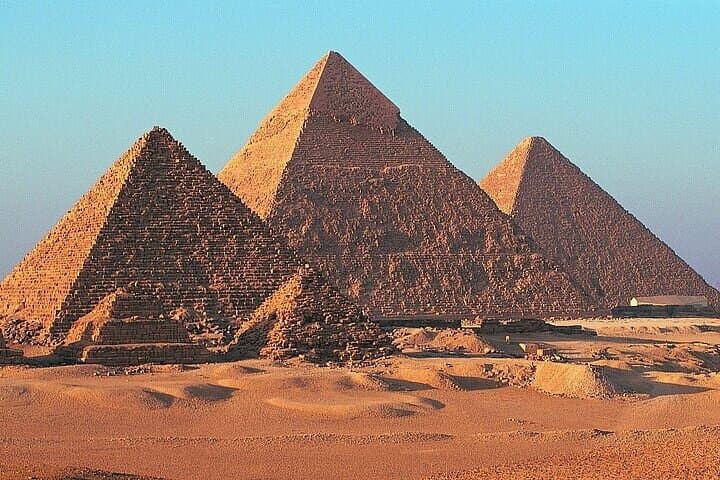
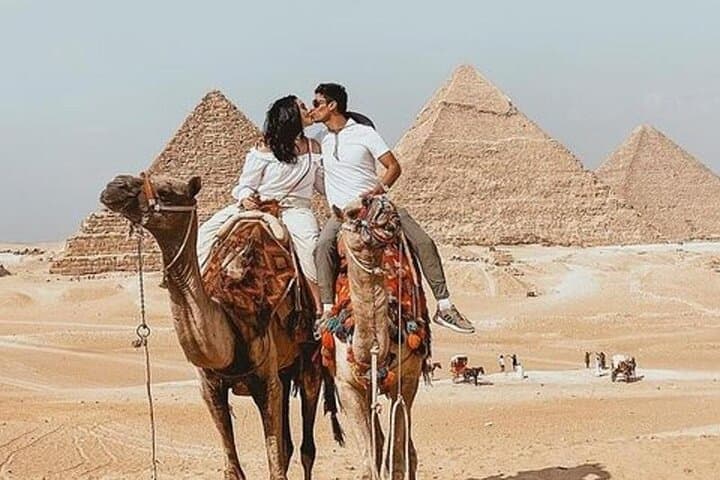
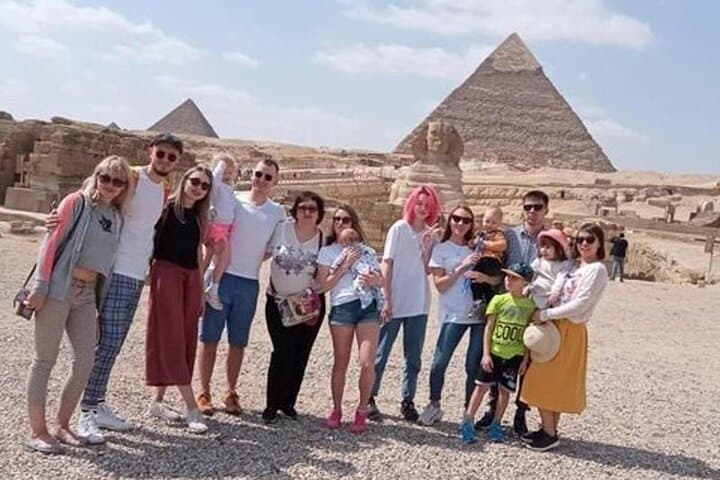
Before dawn you leave the Red Sea coast behind and push into a long, purposeful day that ends beneath the shadow of millennia. Hotel pickup in Sharm El-Sheikh and a sustained transfer deliver you to the broad expanse of the Giza Plateau, where wind-polished limestone and monumental stone blocks rise like an argument with time.
Verified experiences and guided adventures in the surrounding area.
Operated by Magic Tours Egypt · Cairo, Cairo Governorate
Before dawn you leave the Red Sea coast behind and push into a long, purposeful day that ends beneath the shadow of millennia. Hotel pickup in Sharm El-Sheikh and a sustained transfer deliver you to the broad expanse of the Giza Plateau, where wind-polished limestone and monumental stone blocks rise like an argument with time.
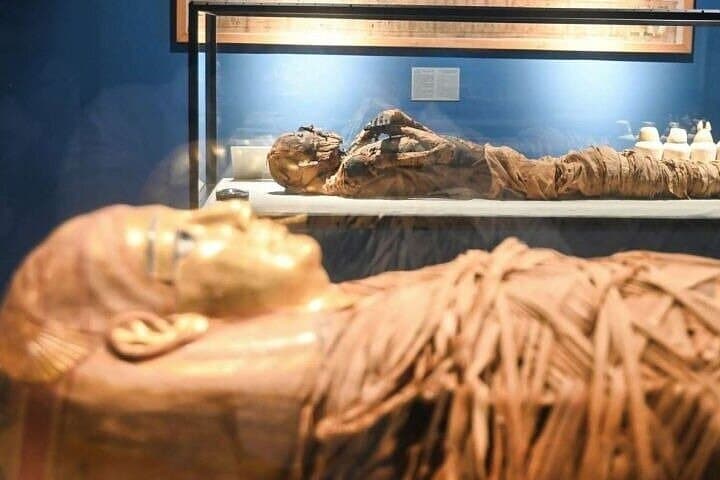
The Pyramids of Giza and the Great Sphinx are products of a landscape and society shaped by the Nile. The plateau’s limestone beds provided the raw material while ancient engineers organized tens of thousands of laborers into precision work that still rewards close inspection—joints, casing stones, and passageways that reveal technical choices as much as religious intent. In Cairo’s Egyptian Museum, objects packed with social history—funerary goods, statuary, the Narmer Palette—show how pharaonic power operated in both ritual and daily life.
Local culture folds around busy streets and market negotiation; expect friendly persistence at shops and a rhythm set by traffic and the call to prayer. Conservation is visible: ongoing restoration at sites and stricter museum policies to protect fragile artifacts.
Practical side: this is a long day—plan for early pickup, security checks, and periods of standing. Bring sun protection, plenty of water, a compact day bag for museum security, and original passport for entry. Wear shoes that handle dust and uneven flagstones. If you value depth over rush, ask your guide for contextual stories about who built these monuments and why—those small details change the visit from spectacle to understanding.
moderate.
19–20 hours.
Able to handle a long day with periods of walking and standing; not strenuous, but stamina for 10+ hours awake is needed.
You must carry your original passport for entry to museums and some checkpoints; visa requirements depend on nationality, so confirm in advance.
The total trip is listed at about 19–20 hours including transfers; actual travel time varies by route and whether an internal flight or road transfer is used.
This tour includes lunch as noted, but bring snacks if you prefer specific dietary needs or for between stops.
The Egyptian Museum has some accessibility measures but may present challenges; contact the operator ahead for specifics and to request assistance.
The pyramids at Giza date to the Fourth Dynasty (c. 2600–2500 BCE) and were funerary monuments built to align with royal mortuary practices tied to the Nile’s cycles.
Restoration projects and stricter visitor rules aim to reduce wear on stone and artifacts; travelers should avoid touching ancient surfaces and follow guide instructions.
Magic Tours Egypt operates guided outdoor trips and adventures with an emphasis on safety, stewardship, and memorable experiences.
Before dawn you leave the Red Sea coast behind and push into a long, purposeful day that ends beneath the shadow of millennia. Hotel pickup in Sharm El-Sheikh and a sustained transfer deliver you to the broad expanse of the Giza Plateau, where wind-polished limestone and monumental stone blocks rise like an argument with time.
Before dawn you leave the Red Sea coast behind and push into a long, purposeful day that ends beneath the shadow of millennia. Hotel pickup in Sharm El-Sheikh and a sustained transfer deliver you to the broad expanse of the Giza Plateau, where wind-polished limestone and monumental stone blocks rise like an argument with time.
The Pyramids of Giza and the Great Sphinx are products of a landscape and society shaped by the Nile. The plateau’s limestone beds provided the raw material while ancient engineers organized tens of thousands of laborers into precision work that still rewards close inspection—joints, casing stones, and passageways that reveal technical choices as much as religious intent. In Cairo’s Egyptian Museum, objects packed with social history—funerary goods, statuary, the Narmer Palette—show how pharaonic power operated in both ritual and daily life.
Local culture folds around busy streets and market negotiation; expect friendly persistence at shops and a rhythm set by traffic and the call to prayer. Conservation is visible: ongoing restoration at sites and stricter museum policies to protect fragile artifacts.
Practical side: this is a long day—plan for early pickup, security checks, and periods of standing. Bring sun protection, plenty of water, a compact day bag for museum security, and original passport for entry. Wear shoes that handle dust and uneven flagstones. If you value depth over rush, ask your guide for contextual stories about who built these monuments and why—those small details change the visit from spectacle to understanding.