THE ADVENTURE COLLECTIVE® · Independent discovery and booking for outdoor travel

Travel from Hurghada to Cairo in a single, packed day to see the Egyptian Museum, the Great Pyramids of Giza and the Sphinx with a guided lunch stop. Prepare for a long road transfer, uneven walking surfaces, and intense sun—this is a history-rich day best planned practically.
Travel from Hurghada to Cairo in a single, packed day to see the Egyptian Museum, the Great Pyramids of Giza and the Sphinx with a guided lunch stop. Prepare for a long road transfer, uneven walking surfaces, and intense sun—this is a history-rich day best planned practically.
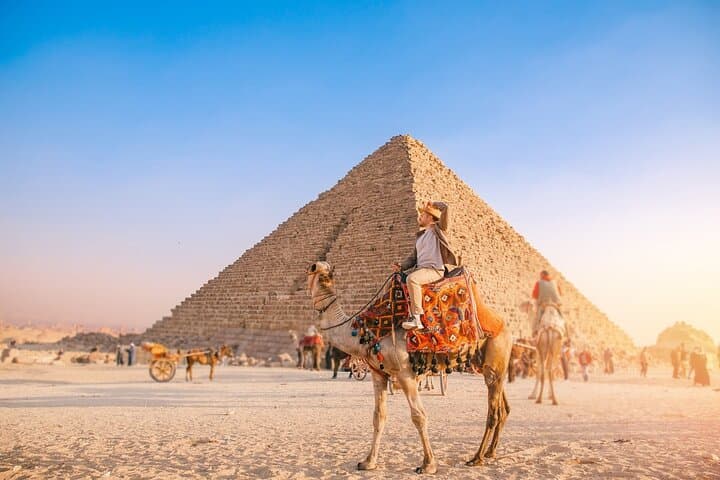
You leave Hurghada before dawn and the Red Sea recedes behind the bus windows as the desert lengthens into a flat, sun-baked ribbon. By midmorning you’re in Cairo: the Egyptian Museum looms in Tahrir Square, glass cases glint with gold; later the Giza Plateau opens—three monumental pyramids rise like carved geometry against an intense blue.
Verified experiences and guided adventures in the surrounding area.
Operated by Zanetta Tours · Giza, Cairo Governorate
You leave Hurghada before dawn and the Red Sea recedes behind the bus windows as the desert lengthens into a flat, sun-baked ribbon. By midmorning you’re in Cairo: the Egyptian Museum looms in Tahrir Square, glass cases glint with gold; later the Giza Plateau opens—three monumental pyramids rise like carved geometry against an intense blue.
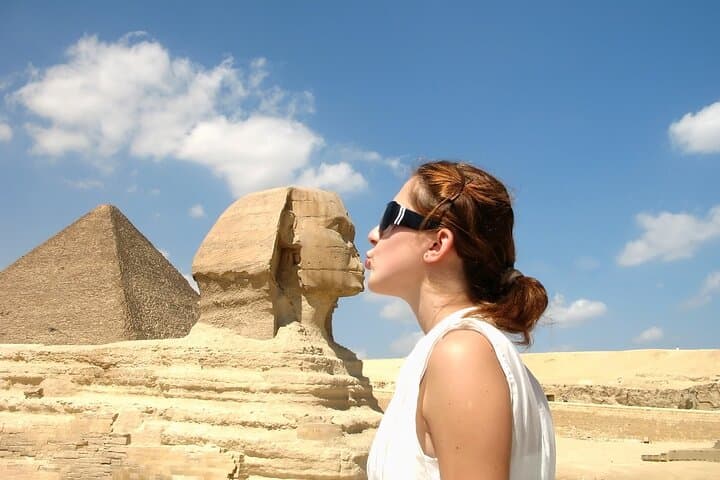
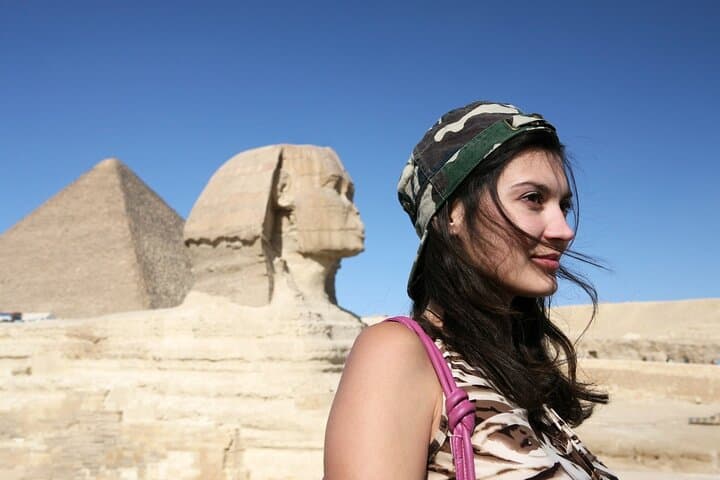
This route threads deep history and local craft. The Great Pyramid of Khufu dates to about 2560 BCE and sits on a limestone plateau cut from the edge of the Nile floodplain; the Sphinx, carved from bedrock, bears centuries of weathering and restoration. The Egyptian Museum holds thousands of objects from the pharaonic era, including the funerary treasures of Tutankhamun; nearby workshops still produce papyrus and perfumes using techniques informed by ancient practices.
Practical guidance: expect a long day—roughly 16–19 hours including round-trip road time from Hurghada. Walks around the pyramids and museum involve short stretches on packed sand, uneven stone, and museum floors—comfortable, broken-in shoes are essential. Bring sun protection, a refillable water bottle, your passport (for museum entry), and small cash for tips or purchases at workshops. Photography is allowed in most outdoor areas but check with your guide about interior photography and drone restrictions. Respect barriers—climbing the pyramids is prohibited and monitored. Timing matters: if you’re heat-sensitive, prioritize shade, frequent water breaks, and ask the guide to adjust pacing where possible. The day stacks iconic moments—fossilized stone, carved faces, and market-smells—into a single, unforgettable push through Egypt’s living past.
easy.
16–19 hours.
Basic stamina for a long day of walking and vehicle travel; able to handle short periods on uneven ground and stairs.
Yes—hotel pickup and drop-off in Hurghada are included; you’ll receive a pickup window when you confirm your booking.
Admission to the Egyptian Museum and the Giza Plateau is included according to the itinerary; optional extras like the Grand Egyptian Museum visit may be listed as choices.
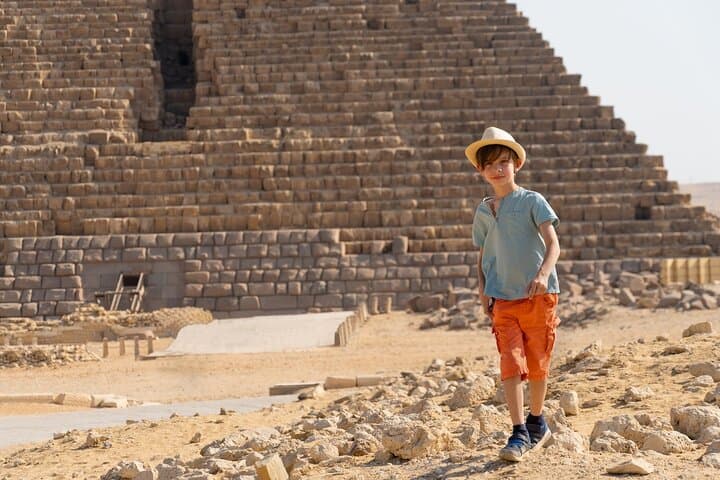
Climbing pyramids is illegal and actively discouraged; you can walk the perimeter and photograph designated viewpoints while following your guide’s directions.
The tour is rated easy but involves uneven ground and long days; it’s not recommended for those with severe mobility restrictions or certain medical conditions—check the tour’s health advisories.
The Giza necropolis dates to the Fourth Dynasty (c. 2600–2500 BCE); the pyramids functioned as monumental tombs and statements of royal power.
Visitor pressure and urban pollution strain preservation efforts—follow site rules, avoid touching artifacts, and support local conservation-minded vendors when possible.
Zanetta Tours operates guided outdoor trips and adventures with an emphasis on safety, stewardship, and memorable experiences.
You leave Hurghada before dawn and the Red Sea recedes behind the bus windows as the desert lengthens into a flat, sun-baked ribbon. By midmorning you’re in Cairo: the Egyptian Museum looms in Tahrir Square, glass cases glint with gold; later the Giza Plateau opens—three monumental pyramids rise like carved geometry against an intense blue.
You leave Hurghada before dawn and the Red Sea recedes behind the bus windows as the desert lengthens into a flat, sun-baked ribbon. By midmorning you’re in Cairo: the Egyptian Museum looms in Tahrir Square, glass cases glint with gold; later the Giza Plateau opens—three monumental pyramids rise like carved geometry against an intense blue.
This route threads deep history and local craft. The Great Pyramid of Khufu dates to about 2560 BCE and sits on a limestone plateau cut from the edge of the Nile floodplain; the Sphinx, carved from bedrock, bears centuries of weathering and restoration. The Egyptian Museum holds thousands of objects from the pharaonic era, including the funerary treasures of Tutankhamun; nearby workshops still produce papyrus and perfumes using techniques informed by ancient practices.
Practical guidance: expect a long day—roughly 16–19 hours including round-trip road time from Hurghada. Walks around the pyramids and museum involve short stretches on packed sand, uneven stone, and museum floors—comfortable, broken-in shoes are essential. Bring sun protection, a refillable water bottle, your passport (for museum entry), and small cash for tips or purchases at workshops. Photography is allowed in most outdoor areas but check with your guide about interior photography and drone restrictions. Respect barriers—climbing the pyramids is prohibited and monitored. Timing matters: if you’re heat-sensitive, prioritize shade, frequent water breaks, and ask the guide to adjust pacing where possible. The day stacks iconic moments—fossilized stone, carved faces, and market-smells—into a single, unforgettable push through Egypt’s living past.