THE ADVENTURE COLLECTIVE® · Independent discovery and booking for outdoor travel

A long, rewarding day from Hurghada to Cairo that pairs the Giza Plateau’s pyramids and Sphinx with the Egyptian Museum’s treasures — guided, cultural, and logistically full of practical considerations.
A long, rewarding day from Hurghada to Cairo that pairs the Giza Plateau’s pyramids and Sphinx with the Egyptian Museum’s treasures — guided, cultural, and logistically full of practical considerations.
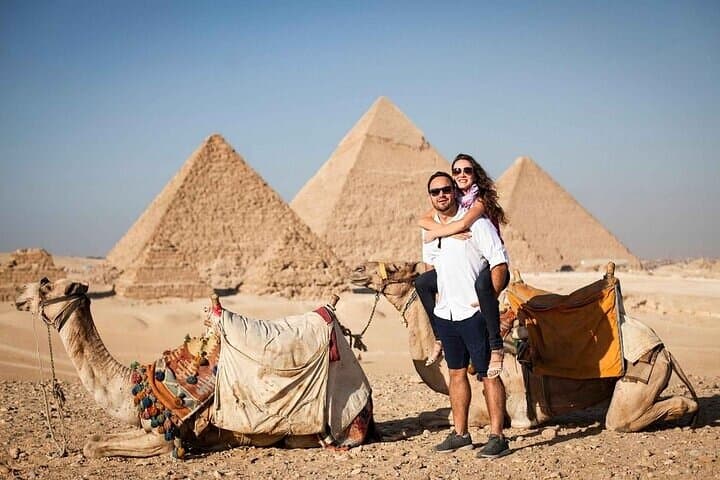
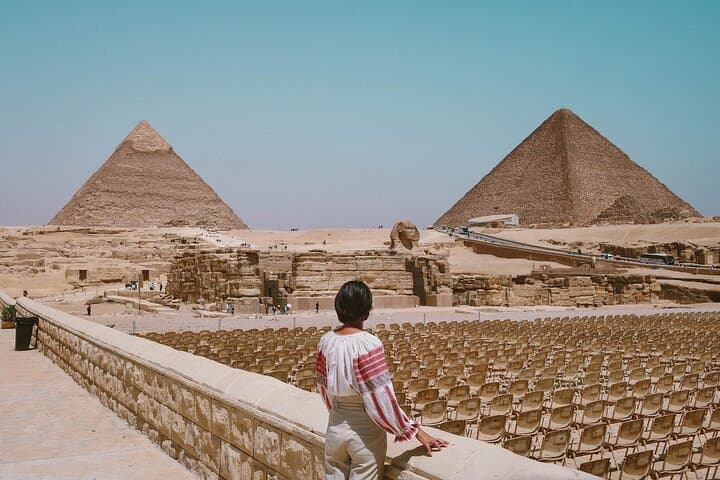
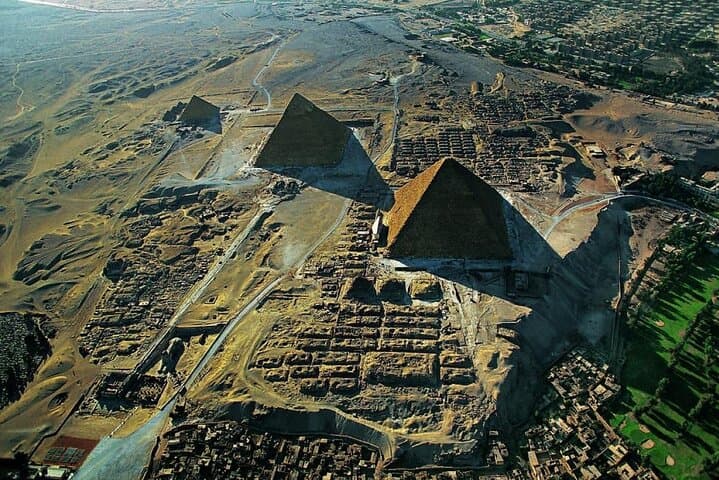
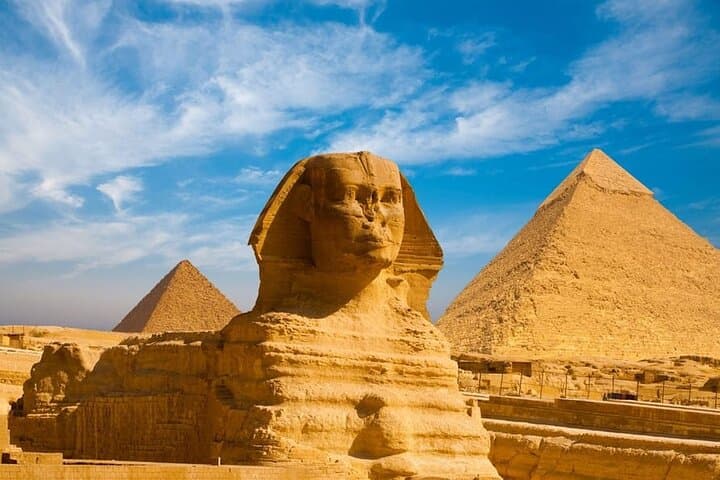
You step off an air-conditioned coach onto a wind-swept limestone plateau and the desert seems to dare you forward — three vast pyramids rise from the ochre plain, their edges slicing the sky. The Great Pyramid sits like an old ruler, massive and indifferent, while the Sphinx keeps a watchful, weatherworn silence.
Verified experiences and guided adventures in the surrounding area.
Operated by Aria tours · Cairo, Cairo Governorate
You step off an air-conditioned coach onto a wind-swept limestone plateau and the desert seems to dare you forward — three vast pyramids rise from the ochre plain, their edges slicing the sky. The Great Pyramid sits like an old ruler, massive and indifferent, while the Sphinx keeps a watchful, weatherworn silence.
This day trip threads modern Hurghada to ancient Cairo, guided by an Egyptologist who explains the stones: 4th‑Dynasty builders, quarrying techniques, and the plateau’s geology—limestone caprock over softer strata that have preserved monumental forms for millennia. Inside the Egyptian Museum, gold and funerary art from Tutankhamun’s tomb recall the sophistication of pharaonic ritual; outside, Cairo’s chaotic streets pulse with a different, living history.
Culturally, the tour touches craft and commerce: a papyrus workshop demonstrates a continuous material tradition, while nearby bazaars hum with hawkers and spice-scented air. Practicalities matter on a transfer this long — expect early departures and late returns, passport checks for museum entry, and lines for popular exhibits.
Plan for heat, dust, and crowds: wear sun-protective clothing and closed shoes for uneven limestone, carry at least 1.5–2 liters of water, and bring cash for tips and small purchases. Ask your guide about quieter photo windows and the Solar Boat Museum if time allows. Respect site rules — climbing is prohibited and conservation is active — and savor the rare chance to stand where ancient engineering still shapes our view of history.
easy.
18–19 hours.
Suitable for travelers in average fitness—long travel time with walking on uneven ground and museum steps
This itinerary indicates Egyptian Museum and Giza Plateau admission are included, but special access (like entering the Great Pyramid) may require extra tickets on site.
By road expect roughly 5–6 hours each way on an air-conditioned coach; travel time accounts for the long full-day schedule.
Yes — most operators can accommodate dietary requests if notified at booking via the special requirements field.
No—climbing pyramids is illegal and damaging; keep to designated paths and follow your guide to minimize impact.
The Giza complex dates to Egypt’s 4th Dynasty (c. 2600–2500 BCE), with Khufu’s pyramid the last surviving ancient Wonder; the museum houses artifacts spanning millennia of pharaonic civilization.
Erosion, visitor pressure, and pollution threaten exposed monuments; follow site rules, avoid touching surfaces, and support conservation by using licensed guides and local services.
Aria tours operates guided outdoor trips and adventures with an emphasis on safety, stewardship, and memorable experiences.
You step off an air-conditioned coach onto a wind-swept limestone plateau and the desert seems to dare you forward — three vast pyramids rise from the ochre plain, their edges slicing the sky. The Great Pyramid sits like an old ruler, massive and indifferent, while the Sphinx keeps a watchful, weatherworn silence.
You step off an air-conditioned coach onto a wind-swept limestone plateau and the desert seems to dare you forward — three vast pyramids rise from the ochre plain, their edges slicing the sky. The Great Pyramid sits like an old ruler, massive and indifferent, while the Sphinx keeps a watchful, weatherworn silence.
This day trip threads modern Hurghada to ancient Cairo, guided by an Egyptologist who explains the stones: 4th‑Dynasty builders, quarrying techniques, and the plateau’s geology—limestone caprock over softer strata that have preserved monumental forms for millennia. Inside the Egyptian Museum, gold and funerary art from Tutankhamun’s tomb recall the sophistication of pharaonic ritual; outside, Cairo’s chaotic streets pulse with a different, living history.
Culturally, the tour touches craft and commerce: a papyrus workshop demonstrates a continuous material tradition, while nearby bazaars hum with hawkers and spice-scented air. Practicalities matter on a transfer this long — expect early departures and late returns, passport checks for museum entry, and lines for popular exhibits.
Plan for heat, dust, and crowds: wear sun-protective clothing and closed shoes for uneven limestone, carry at least 1.5–2 liters of water, and bring cash for tips and small purchases. Ask your guide about quieter photo windows and the Solar Boat Museum if time allows. Respect site rules — climbing is prohibited and conservation is active — and savor the rare chance to stand where ancient engineering still shapes our view of history.