THE ADVENTURE COLLECTIVE® · Independent discovery and booking for outdoor travel

A full-day loop from Salta that threads dramatic red-rock canyons and small, sunlit vineyards—this tour blends short, interpretive hikes in the Quebrada de las Conchas with a cellar visit and Torrontés tasting in Cafayate. It’s a day of geology, culture and crisp high-desert wine.
A full-day loop from Salta that threads dramatic red-rock canyons and small, sunlit vineyards—this tour blends short, interpretive hikes in the Quebrada de las Conchas with a cellar visit and Torrontés tasting in Cafayate. It’s a day of geology, culture and crisp high-desert wine.
You leave Salta before the sun has climbed high enough to burn off the morning chill, sliding out of the city into a wash of ochre hills that seem to have been painted in layers of ochre, sienna and rose. The road climbs and unspools a slow reveal: canyons that sit like open books, wind-sculpted towers, an amphitheater hewn in red rock that answers clapping with a long, clean echo. By midmorning the bus pulls over at a series of short stops—Devil’s Throat, the Amphitheater, the Three Crosses—each a chance to step onto warm stone, inhale desert air, and let the landscape insist you take another photograph.
Verified experiences and guided adventures in the surrounding area.
Operated by Paradigma Travel · Cafayate, Salta
You leave Salta before the sun has climbed high enough to burn off the morning chill, sliding out of the city into a wash of ochre hills that seem to have been painted in layers of ochre, sienna and rose. The road climbs and unspools a slow reveal: canyons that sit like open books, wind-sculpted towers, an amphitheater hewn in red rock that answers clapping with a long, clean echo. By midmorning the bus pulls over at a series of short stops—Devil’s Throat, the Amphitheater, the Three Crosses—each a chance to step onto warm stone, inhale desert air, and let the landscape insist you take another photograph.
This route cuts through the Quebrada de las Conchas, the western edge of the Calchaquí Valleys, where sedimentary layers tilted by Andean uplift have been carved by wind and water into dramatic forms. The geology reads like a field guide: soft siltstones and compacted sand creating fins and spires; canyons that act as natural acoustic chambers. Cultural history is here too—the Calchaquí peoples lived off the valleys for centuries, and Spanish colonial routes later brought missionaries who planted the region’s earliest vineyards. Today Cafayate is Argentina’s high-desert wine town, famed for bright Torrontés and small, sun-drenched bodegas.
The itinerary is pragmatic: photo stops in the canyon, a technical break at Talapampa to stretch and top off water, then two hours in Cafayate for lunch, a guided cellar visit and a tasting of local wines. Expect concise, interpretive commentary from guides certified by Salta’s tourism ministry; they point out rock strata, local flora and the human stories folded into the landscape.
Practicalities: the tour runs roughly 12 hours and covers about 190 km each way along Ruta 68, with mostly paved driving and very short walks at viewpoints. Cafayate sits around 1,680 meters (5,500 ft), so light-headedness is uncommon but bring water and move slowly if you’re sensitive to altitude. The included winery tasting is compact—think sample-sized pours that showcase Torrontés alongside a fuller Malbec or two; lunch and souvenirs are on you during the free window.
For a smooth day: layer for temperature swings, bring sun protection and a refillable bottle, and leave room in your pack for purchases from the artisan market. If you want quieter photos, time the Amphitheater stop early or late in the day when the light sculpts the walls. Whether you come for landscapes, history, or wine, the route delivers a clear, concentrated slice of northern Argentina’s high desert—terrain that keeps pushing you forward with color and scale.
easy.
12 hours.
Suitable for most fitness levels; mostly seated travel with short, accessible walks at viewpoints and in town.
The tour runs about 12 hours; departure is early morning and you should be back in Salta around 7:00 p.m. depending on traffic and stops.
Yes—there’s a guided visit to a local winery in Cafayate with a tasting included; lunch and additional bottles are separate purchases.
Only brief walks at photo stops and around the town square—no long or technical hikes are required.
Yes—infant seats and stroller access are available and the tour is rated easy for all fitness levels.
Cafayate is around 1,680 m (5,500 ft). Most people adapt easily, but stay hydrated and avoid rapid exertion if you’re sensitive to altitude.
Guides are certified by the Ministry of Tourism of Salta; Spanish is primary and many guides offer basic English—confirm language needs when booking.
The Calchaquí Valleys have been inhabited for centuries by indigenous groups; Spanish colonists and missionaries later introduced viticulture, planting varieties that evolved into the region’s Torrontés legacy.
Water is scarce in this high-desert region—support wineries that practice sustainable irrigation and stick to marked stops to limit erosion and disturbance.
Paradigma Travel operates guided outdoor trips and adventures with an emphasis on safety, stewardship, and memorable experiences.
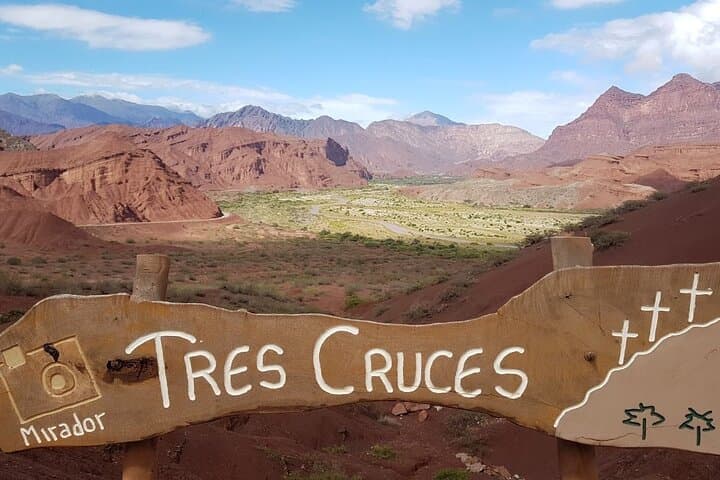
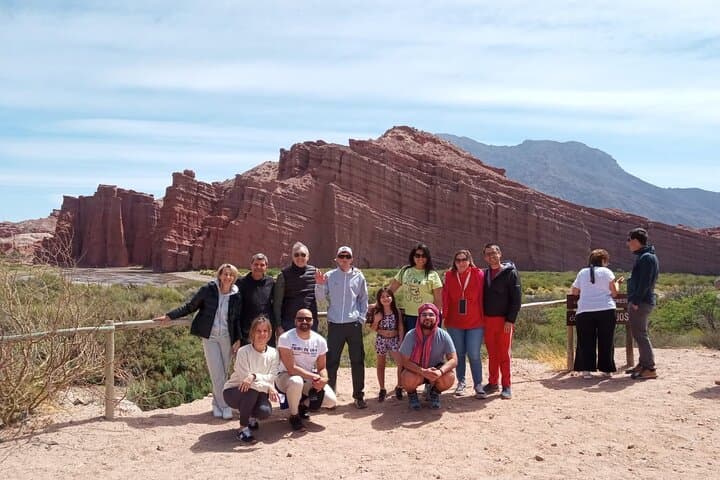
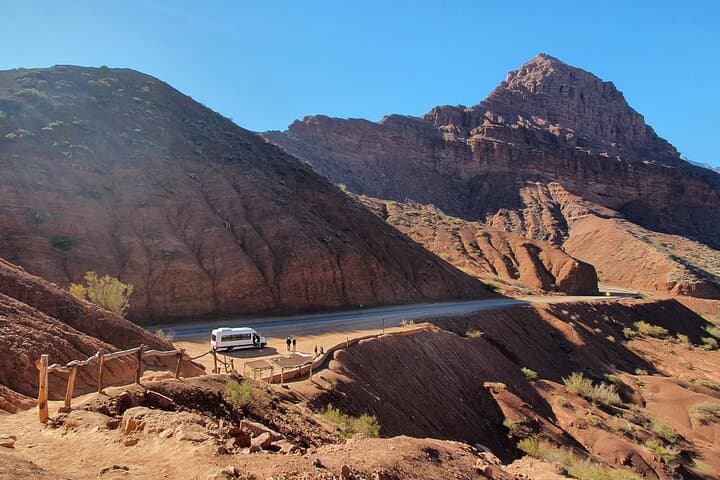
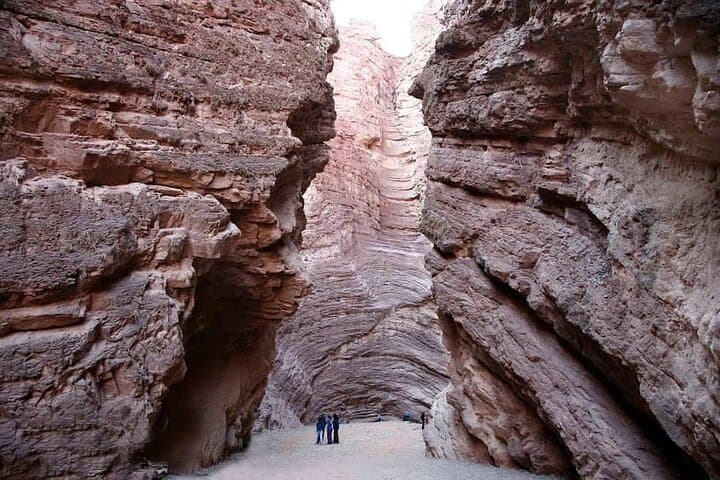
You leave Salta before the sun has climbed high enough to burn off the morning chill, sliding out of the city into a wash of ochre hills that seem to have been painted in layers of ochre, sienna and rose. The road climbs and unspools a slow reveal: canyons that sit like open books, wind-sculpted towers, an amphitheater hewn in red rock that answers clapping with a long, clean echo. By midmorning the bus pulls over at a series of short stops—Devil’s Throat, the Amphitheater, the Three Crosses—each a chance to step onto warm stone, inhale desert air, and let the landscape insist you take another photograph.
You leave Salta before the sun has climbed high enough to burn off the morning chill, sliding out of the city into a wash of ochre hills that seem to have been painted in layers of ochre, sienna and rose. The road climbs and unspools a slow reveal: canyons that sit like open books, wind-sculpted towers, an amphitheater hewn in red rock that answers clapping with a long, clean echo. By midmorning the bus pulls over at a series of short stops—Devil’s Throat, the Amphitheater, the Three Crosses—each a chance to step onto warm stone, inhale desert air, and let the landscape insist you take another photograph.
This route cuts through the Quebrada de las Conchas, the western edge of the Calchaquí Valleys, where sedimentary layers tilted by Andean uplift have been carved by wind and water into dramatic forms. The geology reads like a field guide: soft siltstones and compacted sand creating fins and spires; canyons that act as natural acoustic chambers. Cultural history is here too—the Calchaquí peoples lived off the valleys for centuries, and Spanish colonial routes later brought missionaries who planted the region’s earliest vineyards. Today Cafayate is Argentina’s high-desert wine town, famed for bright Torrontés and small, sun-drenched bodegas.
The itinerary is pragmatic: photo stops in the canyon, a technical break at Talapampa to stretch and top off water, then two hours in Cafayate for lunch, a guided cellar visit and a tasting of local wines. Expect concise, interpretive commentary from guides certified by Salta’s tourism ministry; they point out rock strata, local flora and the human stories folded into the landscape.
Practicalities: the tour runs roughly 12 hours and covers about 190 km each way along Ruta 68, with mostly paved driving and very short walks at viewpoints. Cafayate sits around 1,680 meters (5,500 ft), so light-headedness is uncommon but bring water and move slowly if you’re sensitive to altitude. The included winery tasting is compact—think sample-sized pours that showcase Torrontés alongside a fuller Malbec or two; lunch and souvenirs are on you during the free window.
For a smooth day: layer for temperature swings, bring sun protection and a refillable bottle, and leave room in your pack for purchases from the artisan market. If you want quieter photos, time the Amphitheater stop early or late in the day when the light sculpts the walls. Whether you come for landscapes, history, or wine, the route delivers a clear, concentrated slice of northern Argentina’s high desert—terrain that keeps pushing you forward with color and scale.