THE ADVENTURE COLLECTIVE® · Independent discovery and booking for outdoor travel

A full-day journey from Salta that pairs dramatic red-rock scenery with high-altitude vineyards and Torrontés tastings. Expect scenic stops through Quebrada de las Conchas, a winery visit in Cafayate and the must-see Devil’s Throat rock formation.
A full-day journey from Salta that pairs dramatic red-rock scenery with high-altitude vineyards and Torrontés tastings. Expect scenic stops through Quebrada de las Conchas, a winery visit in Cafayate and the must-see Devil’s Throat rock formation.
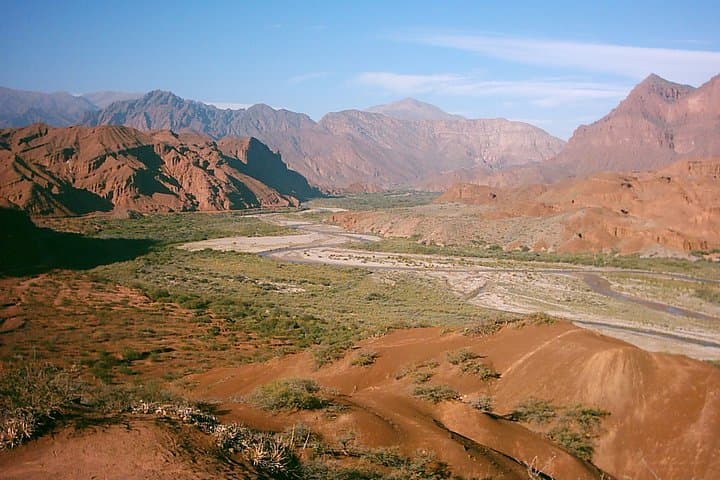
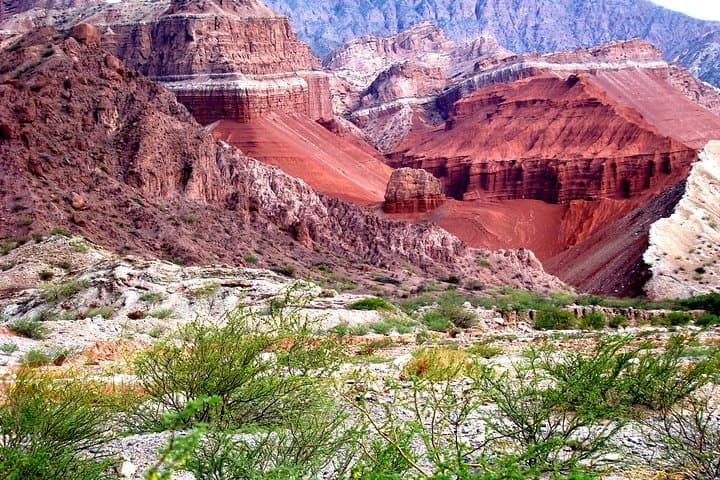
By the time the minibus slides out of Salta, the city’s tile roofs are a smudge behind you and the road begins to climb. The Valles Calchaquíes unfurl like a slow-motion geological film: layers of rust-red sandstone, striated cliffs and narrow gorges that seem to push the sky into a thinner blue. Your group breaks dynamic silence with camera shutters and soft murmurs—this is a route that insists you look.
Verified experiences and guided adventures in the surrounding area.
Operated by Luna Roja · Cafayate, Salta
By the time the minibus slides out of Salta, the city’s tile roofs are a smudge behind you and the road begins to climb. The Valles Calchaquíes unfurl like a slow-motion geological film: layers of rust-red sandstone, striated cliffs and narrow gorges that seem to push the sky into a thinner blue. Your group breaks dynamic silence with camera shutters and soft murmurs—this is a route that insists you look.
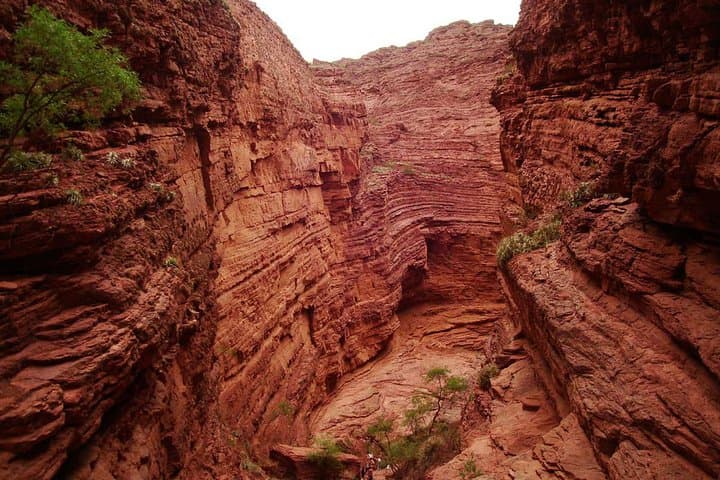
Geology here is not background scenery but an active character. Fifteen million years ago this basin was open to the sea; marine fossils still turn up in the rock. Wind and intermittent rivers sculpted the Quebrada de las Conchas into amphitheaters, spires and tubes—the Devil’s Throat among the most arresting, a vertical red tube that swallows sound and frames a perfect circle of sky.
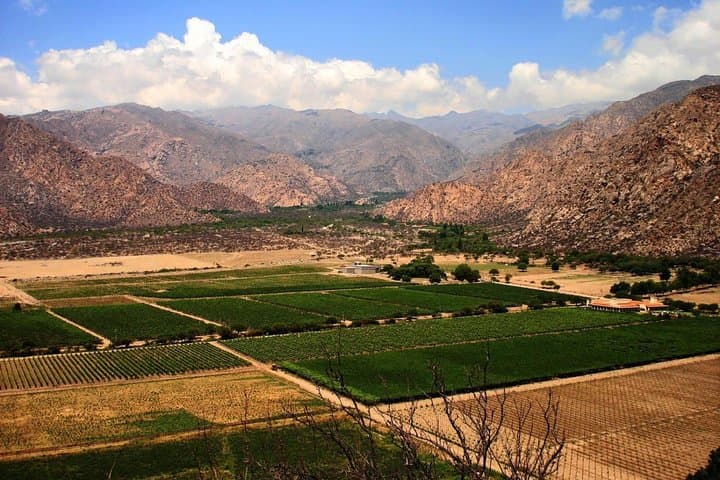
Cafayate itself sits higher than Salta at roughly 1,680 metres, where high-altitude viticulture breeds a wine identity distinct from Mendoza. Torrontés, Argentina’s aromatic white, thrives in these sun-baked, diurnal-sharp conditions; tasting it in a local bodega is an act of place-making—acid, floral and bright in a way the valley’s light makes you believe.
The day’s itinerary balances road-time and time-on-foot: scenic stops through the gorge, a guided tasting at a boutique vineyard, a stroll through the town square and a visit to the Museo de la Vid y el Vino. Total driving is substantial—expect several hours each direction—so the schedule feels long but purposeful. The tour is rated suitable for all fitness levels; walking at viewpoints involves uneven ground and short climbs rather than demanding hikes.
Practical edge: carry sun protection, a refillable water bottle and a light layer for late afternoon winds. Bring cash for small purchases at roadside stands and local artesanía. If you’re sensitive to altitude, hydrate the day before and take it easy on arrival; the fast change in elevation can be noticeable but rarely severe.
For photographers and tasters, timing matters—late afternoon light gilds the red walls and vineyards; mornings catch mist and cooler tones. The Devil’s Throat presents a tight, dramatic frame; vineyards spread into low, repeated rows for classic vineyard-to-mountain shots.
This is not a wilderness expedition but a cultural-geological passage: an efficient way to read a landscape and taste its crop in one long, sunlit day. Expect a full schedule, comfortable transport, and the kind of vistas that make the long drive feel like the point of the trip.
easy.
12 hours.
Suitable for most fitness levels; expect short walks and uneven surfaces but no sustained hiking.
The full-day excursion runs about 12 hours round-trip, including several scenic stops and time for a winery visit.
Yes—hotel pickup is provided; be ready at your designated pickup point about 30 minutes before departure.
The itinerary includes a visit to a winery with tastings of local Torrontés; specifics can vary by operator day-to-day.
Yes; the tour notes stroller accessibility and that infants must sit on laps, but long car time may be tiring for very young children.
Cafayate sits higher than Salta and you will gain elevation—most travelers experience mild effects; hydrate and pace yourself if you are altitude-sensitive.
Many wineries sell bottles on-site; bring cash or card and check customs rules if transporting across borders.
The Calchaquí Valley holds pre-Columbian settlements and colonial-era towns; viticulture here dates to Spanish introductions but adapted over centuries to high-altitude conditions.
The region’s fragile soils and scarce water make sustainable viticulture and responsible trail use important—avoid trampling native scrub and support wineries practicing water conservation.
Luna Roja operates guided outdoor trips and adventures with an emphasis on safety, stewardship, and memorable experiences.
By the time the minibus slides out of Salta, the city’s tile roofs are a smudge behind you and the road begins to climb. The Valles Calchaquíes unfurl like a slow-motion geological film: layers of rust-red sandstone, striated cliffs and narrow gorges that seem to push the sky into a thinner blue. Your group breaks dynamic silence with camera shutters and soft murmurs—this is a route that insists you look.
By the time the minibus slides out of Salta, the city’s tile roofs are a smudge behind you and the road begins to climb. The Valles Calchaquíes unfurl like a slow-motion geological film: layers of rust-red sandstone, striated cliffs and narrow gorges that seem to push the sky into a thinner blue. Your group breaks dynamic silence with camera shutters and soft murmurs—this is a route that insists you look.
Geology here is not background scenery but an active character. Fifteen million years ago this basin was open to the sea; marine fossils still turn up in the rock. Wind and intermittent rivers sculpted the Quebrada de las Conchas into amphitheaters, spires and tubes—the Devil’s Throat among the most arresting, a vertical red tube that swallows sound and frames a perfect circle of sky.
Cafayate itself sits higher than Salta at roughly 1,680 metres, where high-altitude viticulture breeds a wine identity distinct from Mendoza. Torrontés, Argentina’s aromatic white, thrives in these sun-baked, diurnal-sharp conditions; tasting it in a local bodega is an act of place-making—acid, floral and bright in a way the valley’s light makes you believe.
The day’s itinerary balances road-time and time-on-foot: scenic stops through the gorge, a guided tasting at a boutique vineyard, a stroll through the town square and a visit to the Museo de la Vid y el Vino. Total driving is substantial—expect several hours each direction—so the schedule feels long but purposeful. The tour is rated suitable for all fitness levels; walking at viewpoints involves uneven ground and short climbs rather than demanding hikes.
Practical edge: carry sun protection, a refillable water bottle and a light layer for late afternoon winds. Bring cash for small purchases at roadside stands and local artesanía. If you’re sensitive to altitude, hydrate the day before and take it easy on arrival; the fast change in elevation can be noticeable but rarely severe.
For photographers and tasters, timing matters—late afternoon light gilds the red walls and vineyards; mornings catch mist and cooler tones. The Devil’s Throat presents a tight, dramatic frame; vineyards spread into low, repeated rows for classic vineyard-to-mountain shots.
This is not a wilderness expedition but a cultural-geological passage: an efficient way to read a landscape and taste its crop in one long, sunlit day. Expect a full schedule, comfortable transport, and the kind of vistas that make the long drive feel like the point of the trip.