THE ADVENTURE COLLECTIVE® · Independent discovery and booking for outdoor travel

Head south from Luanda for a full-day coastal escape to Cabo Ledo: long white beaches, eroded cliffs, and surfable breaks inside the Quiçama protected area. This trip combines scenic stops like Miradouro da Lua with beach time and local insights — ideal for travelers wanting a rugged seaside day trip.
Head south from Luanda for a full-day coastal escape to Cabo Ledo: long white beaches, eroded cliffs, and surfable breaks inside the Quiçama protected area. This trip combines scenic stops like Miradouro da Lua with beach time and local insights — ideal for travelers wanting a rugged seaside day trip.
You leave Luanda before dawn and the city blurs into roadside villages, baobabs, and the wide Atlantic horizon.
Verified experiences and guided adventures in the surrounding area.
Operated by Westtour_Angola · Cabo Ledo, Bengo
You leave Luanda before dawn and the city blurs into roadside villages, baobabs, and the wide Atlantic horizon.
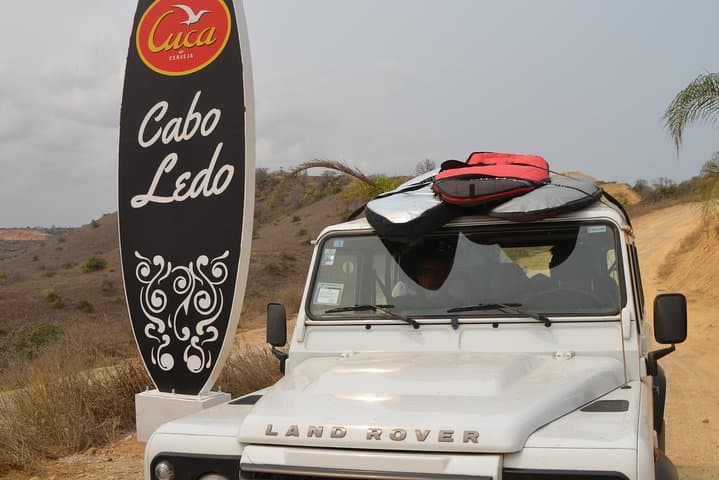
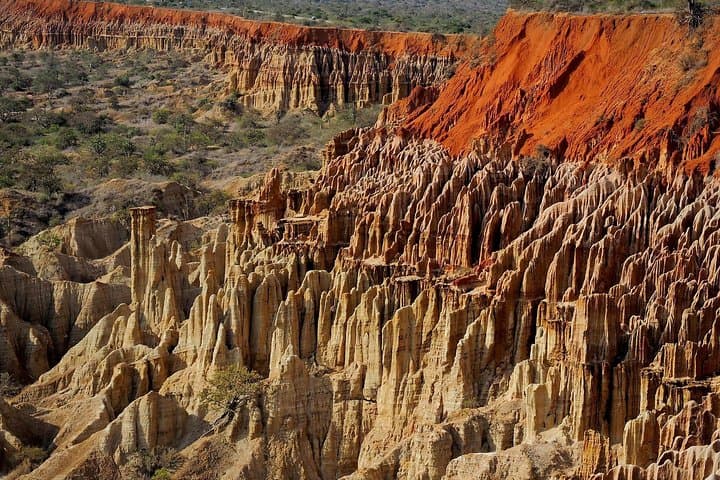
By midmorning the Defender’s tires crunch white sand as the bay of Cabo Ledo opens: long beaches, earth-colored cliffs that drop into blue surf, and a coastline that dares you to walk it. The road to this coastal pocket runs through the environmental protection area of Quiçama National Park; Miradouro da Lua — a moonscape of eroded clay cliffs about an hour out of Luanda — is a mandatory photo stop and an early hint of the geology ahead.
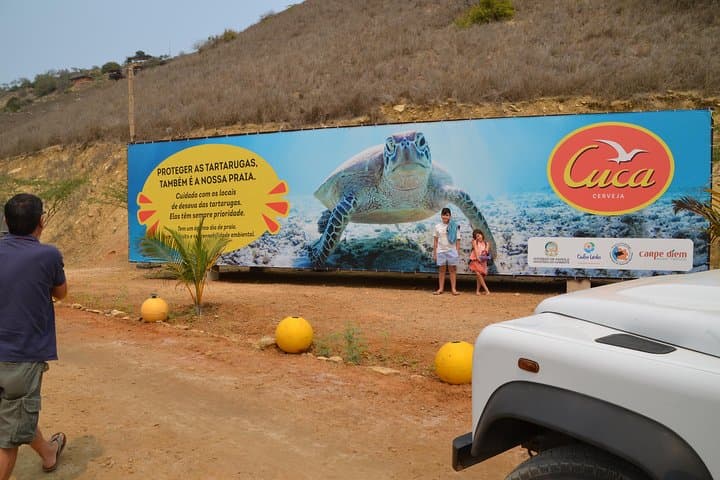
The coast here carries traces of Angola’s past: Portuguese-era fishing settlements, traditional coastal communities and the slow return of tourism after decades of limited access. Geologically, cliffs and dunes reflect tidal action against a sandstone-and-clay shoreline; ecologically, the beaches are important for nesting sea turtles and shorebirds.
Practically, the trip is a full-day (roughly 120 km each way) in a 4x4 with mixed on- and off-road sections. Expect stretches of sand, uneven tracks and open sun. Activities on site vary with the season: long beach walks, basic surfing and short boat trips are common; infrastructure is casual — local kiosks or small restaurants serve simple food.
Bring sun and wind protection, plenty of water, and footwear that handles hot sand and rocky paths. Respect nesting areas and follow guide instructions — this is an environmental protection zone, not a commercial resort. With planning, Cabo Ledo is a raw, straightforward day of ocean, cliffs and surf that rewards early starts and quiet curiosity.
moderate.
8 hours.
Suitable for most fitness levels — requires sitting through a multi-hour vehicle transfer and short walks on sand and uneven trails.
Cabo Ledo is about 120 km south of Luanda; allow roughly 2.5–3 hours each way depending on traffic and road conditions, longer if traveling on sand tracks.
Yes — the operator notes it’s suitable for all fitness levels; activities are low-impact, though the vehicle ride and sandy walking may be tiring for very young children or those with mobility limits.
Basic kiosks and small restaurants exist but options are limited; bring water, snacks or a packed lunch to be safe and carry some cash for local vendors.
Turtle nesting in this region typically peaks in the warmer, wetter months (roughly November–February). Check with guides for local timing and ethical viewing rules.
Coastal settlements here reflect Portuguese colonial influence and traditional fishing cultures; the area’s conversion into tourism spots is recent and tied to expanded access after years of limited travel.
Cabo Ledo sits inside an environmental protection zone of Quiçama; minimize disturbance to nesting beaches, pack out waste and hire local guides to support sustainable tourism.
Westtour_Angola operates guided outdoor trips and adventures with an emphasis on safety, stewardship, and memorable experiences.

You leave Luanda before dawn and the city blurs into roadside villages, baobabs, and the wide Atlantic horizon.
You leave Luanda before dawn and the city blurs into roadside villages, baobabs, and the wide Atlantic horizon.
By midmorning the Defender’s tires crunch white sand as the bay of Cabo Ledo opens: long beaches, earth-colored cliffs that drop into blue surf, and a coastline that dares you to walk it. The road to this coastal pocket runs through the environmental protection area of Quiçama National Park; Miradouro da Lua — a moonscape of eroded clay cliffs about an hour out of Luanda — is a mandatory photo stop and an early hint of the geology ahead.
The coast here carries traces of Angola’s past: Portuguese-era fishing settlements, traditional coastal communities and the slow return of tourism after decades of limited access. Geologically, cliffs and dunes reflect tidal action against a sandstone-and-clay shoreline; ecologically, the beaches are important for nesting sea turtles and shorebirds.
Practically, the trip is a full-day (roughly 120 km each way) in a 4x4 with mixed on- and off-road sections. Expect stretches of sand, uneven tracks and open sun. Activities on site vary with the season: long beach walks, basic surfing and short boat trips are common; infrastructure is casual — local kiosks or small restaurants serve simple food.
Bring sun and wind protection, plenty of water, and footwear that handles hot sand and rocky paths. Respect nesting areas and follow guide instructions — this is an environmental protection zone, not a commercial resort. With planning, Cabo Ledo is a raw, straightforward day of ocean, cliffs and surf that rewards early starts and quiet curiosity.