THE ADVENTURE COLLECTIVE® · Independent discovery and booking for outdoor travel

Pair an hour behind the wheel of a powerful buggy with a three-hour whale-watching cruise out of Reykjavík in one efficient, full-day tour. Expect rugged lava tracks, wide coastal views, and close encounters with whales in productive North Atlantic waters.
Pair an hour behind the wheel of a powerful buggy with a three-hour whale-watching cruise out of Reykjavík in one efficient, full-day tour. Expect rugged lava tracks, wide coastal views, and close encounters with whales in productive North Atlantic waters.
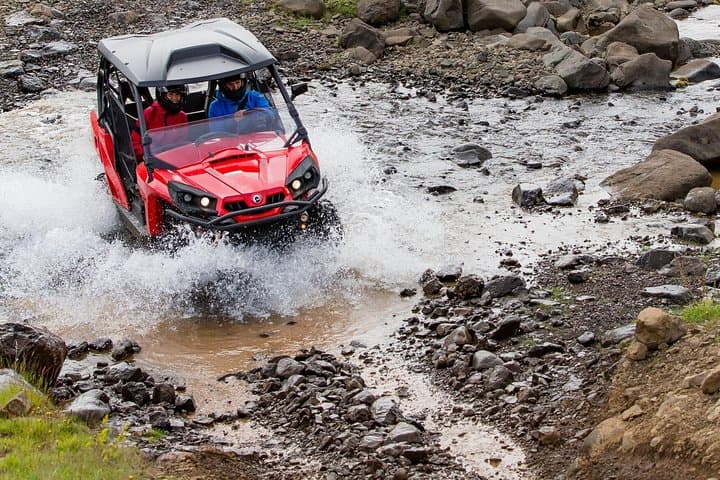
A cold wind from Faxa Bay cuts across volcanic ridges as you buckle into a helmet and climb into a rear-wheel buggy. The machine rumbles, gravel scatters, and within minutes the capital drops away beneath you — rooftops, the Hallgrímskirkja spire, the dark sweep of the Atlantic. You’ll climb to Reykjavik’s nearby high ground and pause where raw lava fields meet wind-sculpted moss, the city framed like a map below.
Verified experiences and guided adventures in the surrounding area.
Operated by Safari Quads · Reykjavík, Capital Region
A cold wind from Faxa Bay cuts across volcanic ridges as you buckle into a helmet and climb into a rear-wheel buggy. The machine rumbles, gravel scatters, and within minutes the capital drops away beneath you — rooftops, the Hallgrímskirkja spire, the dark sweep of the Atlantic. You’ll climb to Reykjavik’s nearby high ground and pause where raw lava fields meet wind-sculpted moss, the city framed like a map below.
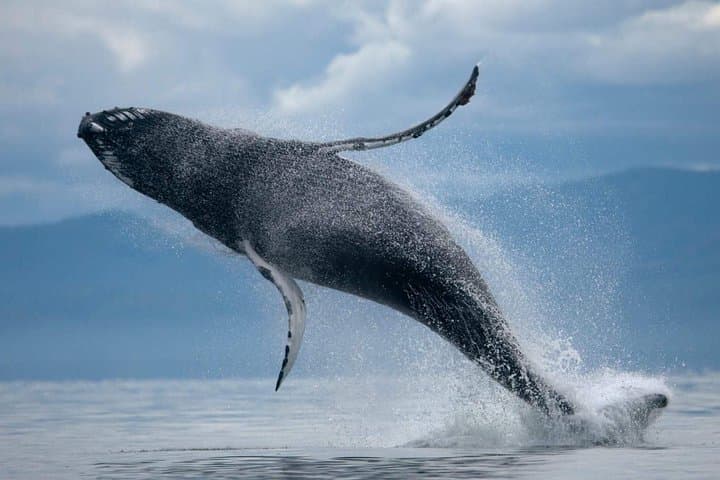
Iceland’s coastline carries human history of fishing and exploration; the area around Reykjavík grew from a 9th-century settlement into the nation’s maritime hub. Geology here is obvious: young basalt flows, tephra ridges and glacially carved valleys shape short, dramatic sightlines. Whale watching from Reykjavík harbor connects that geology to ocean life — cold, productive waters attract minke whales, humpbacks and white-beaked dolphins.
Practically, this is a compact, energetic day: a guided one-hour buggy route over rough, variable terrain followed by a three-hour boat trip searching for cetaceans. Expect wet spray, wind, and quick temperature swings; operators supply helmet gear and warm boat overalls. Bring layered waterproofs, steady footwear and a charged camera with a telephoto lens if you can.
Timing matters: mornings are calmer for high-ground driving and afternoons often hold better sea visibility. Guides manage logistics and safety — from buggy operation briefings to whale-watch narration — so you can focus on the landscape and the animals that dare the northern ocean. It’s a single-day, high-value combination that pairs playful land adrenaline with contemplative marine wildlife watching.
moderate.
8 hours.
Moderate fitness: able to handle short bursts of physical exertion, balance on uneven terrain, and tolerate several hours of sitting on boat passages.
The full activity runs about eight hours total: pickup, a one-hour buggy session, transfer time, a three-hour whale-watching cruise, and transport back to your hotel.
Yes — a valid driver’s license is required to operate the buggy; passengers do not need a license.
Passengers age 6+ are permitted; the tour is not recommended for pregnant travelers or those with serious spinal injuries.
Operators may cancel for severe weather; the booking policy typically allows full refunds if canceled at least 24 hours prior for safety or poor conditions.
Reykjavík grew from a 9th-century Norse settlement into Iceland’s maritime capital; the harbor has long supported fishing and ocean research.
Operators often provide onboard briefings about responsible wildlife viewing; keep distance from animals, avoid flash photography, and follow crew instructions to minimize disturbance.
Safari Quads operates guided outdoor trips and adventures with an emphasis on safety, stewardship, and memorable experiences.


A cold wind from Faxa Bay cuts across volcanic ridges as you buckle into a helmet and climb into a rear-wheel buggy. The machine rumbles, gravel scatters, and within minutes the capital drops away beneath you — rooftops, the Hallgrímskirkja spire, the dark sweep of the Atlantic. You’ll climb to Reykjavik’s nearby high ground and pause where raw lava fields meet wind-sculpted moss, the city framed like a map below.
A cold wind from Faxa Bay cuts across volcanic ridges as you buckle into a helmet and climb into a rear-wheel buggy. The machine rumbles, gravel scatters, and within minutes the capital drops away beneath you — rooftops, the Hallgrímskirkja spire, the dark sweep of the Atlantic. You’ll climb to Reykjavik’s nearby high ground and pause where raw lava fields meet wind-sculpted moss, the city framed like a map below.
Iceland’s coastline carries human history of fishing and exploration; the area around Reykjavík grew from a 9th-century settlement into the nation’s maritime hub. Geology here is obvious: young basalt flows, tephra ridges and glacially carved valleys shape short, dramatic sightlines. Whale watching from Reykjavík harbor connects that geology to ocean life — cold, productive waters attract minke whales, humpbacks and white-beaked dolphins.
Practically, this is a compact, energetic day: a guided one-hour buggy route over rough, variable terrain followed by a three-hour boat trip searching for cetaceans. Expect wet spray, wind, and quick temperature swings; operators supply helmet gear and warm boat overalls. Bring layered waterproofs, steady footwear and a charged camera with a telephoto lens if you can.
Timing matters: mornings are calmer for high-ground driving and afternoons often hold better sea visibility. Guides manage logistics and safety — from buggy operation briefings to whale-watch narration — so you can focus on the landscape and the animals that dare the northern ocean. It’s a single-day, high-value combination that pairs playful land adrenaline with contemplative marine wildlife watching.