THE ADVENTURE COLLECTIVE® · Independent discovery and booking for outdoor travel

This full-day private tour links Borobudur’s ancient terraces, the steaming presence of Mount Merapi, and Prambanan’s soaring Hindu spires. Expect a long, varied day of walking, viewpoints, and cultural context—ideal for travelers who want concentrated highlights around Yogyakarta.
This full-day private tour links Borobudur’s ancient terraces, the steaming presence of Mount Merapi, and Prambanan’s soaring Hindu spires. Expect a long, varied day of walking, viewpoints, and cultural context—ideal for travelers who want concentrated highlights around Yogyakarta.
You start before sunrise, stepping onto the broad stone terraces of Borobudur as mist peels away from the surrounding rice plains. The temple’s bell-shaped stupas breathe quiet geometry; the carved reliefs guide your eyes around levels that once mapped a spiritual ascent.
Verified experiences and guided adventures in the surrounding area.
Operated by Journeast Indonesia Tour and Travel · Yogyakarta, Special Region of Yogyakarta
You start before sunrise, stepping onto the broad stone terraces of Borobudur as mist peels away from the surrounding rice plains. The temple’s bell-shaped stupas breathe quiet geometry; the carved reliefs guide your eyes around levels that once mapped a spiritual ascent.
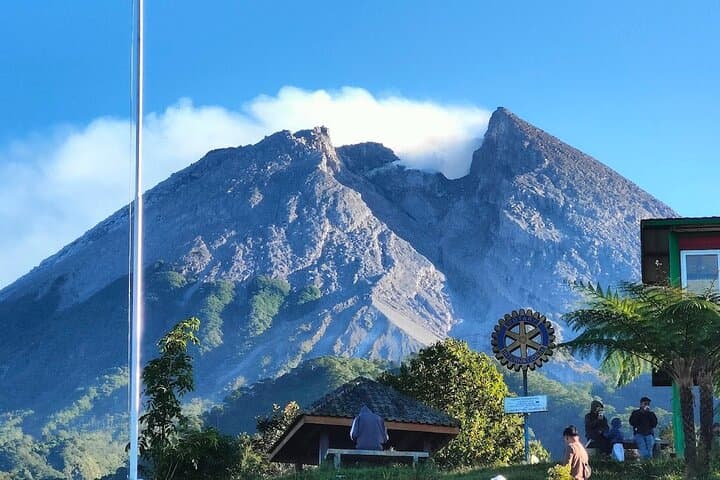
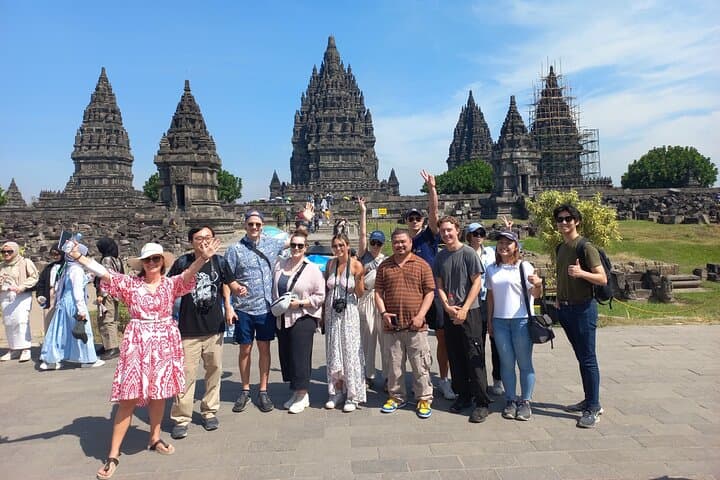
Borobudur (8th–9th century) and nearby Prambanan (9th century) are cornerstones of Javanese history—Buddhist and Hindu monuments that speak to a period of artistic exchange and royal patronage. Geologically, the trip pivots to Merapi, a live stratovolcano whose frequent eruptions have shaped soils, settlement patterns, and local myth. From Klangon Hill the volcano claims the skyline, its slopes still scarred by past flows and regrowing teak and grass.
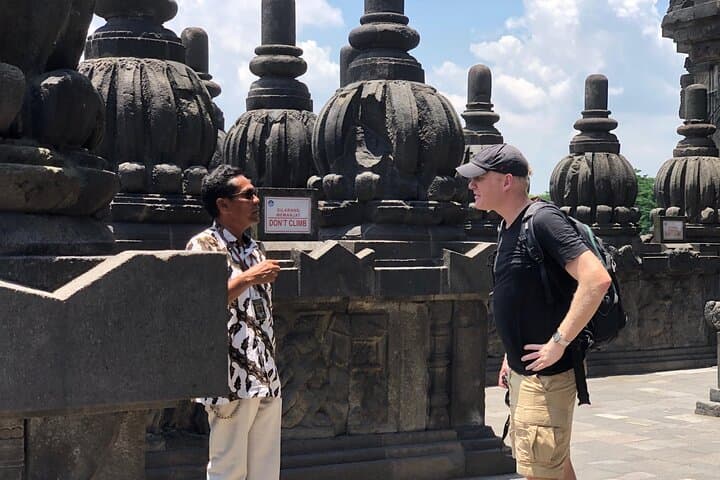
Culturally, Yogyakarta remains a living arts center: gamelan music, batik workshops, and markets frame the sites. Local guides often explain temple iconography and the agricultural rhythms tied to volcanic ash.
Practically, expect a long, guided day—roughly 10 hours—with short walks, stair climbs at temples, and viewpoint stops. Wear grippy shoes for stone steps, carry sun protection and water, and bring a light layer for early morning breezes. Photography windows depend on weather; Merapi views can disappear behind haze.
If you opt for the Merapi jeep extension, prepare for rough tracks and dust. The tour is private and all-inclusive for entrance fees listed, but confirm whether a jeep option is selected. Timing is everything: mornings are cooler and clearer for Borobudur; late afternoon shows warm light on Prambanan’s spires.
moderate.
10 hours.
Suitable for travelers who can walk stairs and stand for several hours; basic stamina required for a full-day itinerary.
The tour runs about 10 hours and includes private transport, entrance fees listed (Borobudur and Prambanan), bottled water, and Merapi viewpoint permits; jeep rental is optional and added if chosen.
It’s classified as moderate: you'll climb many stone steps at Borobudur and Prambanan and do short walks at viewpoints; travelers with severe spinal or heart issues should avoid it.
No—Merapi’s activity varies; you may see plumes or a clear profile on good days, but visibility depends on weather and volcanic conditions.
Yes, the operator may adjust the sequence based on ticket availability and timing—confirm at booking if you prefer a specific order.
Borobudur and Prambanan date to the 8th–9th centuries and reflect the region’s Buddhist and Hindu kingdoms; their reliefs record religious narratives and daily life of the era.
Visitor management and restoration efforts protect fragile stone reliefs; stick to designated paths, avoid touching carvings, and support local guides to help preserve sites.
Journeast Indonesia Tour and Travel operates guided outdoor trips and adventures with an emphasis on safety, stewardship, and memorable experiences.
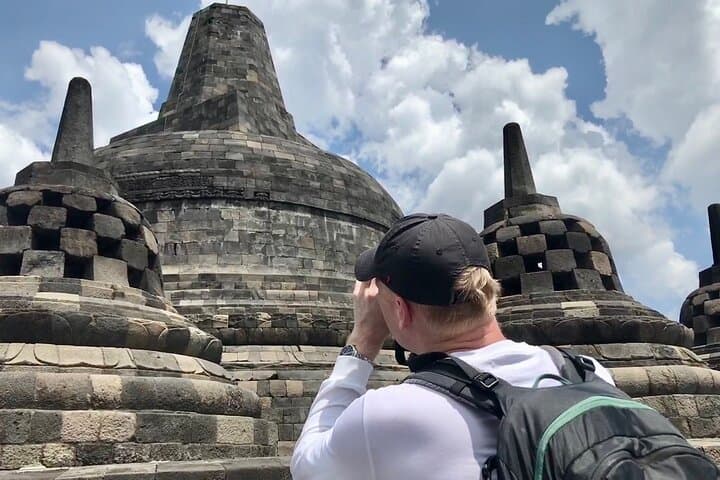
You start before sunrise, stepping onto the broad stone terraces of Borobudur as mist peels away from the surrounding rice plains. The temple’s bell-shaped stupas breathe quiet geometry; the carved reliefs guide your eyes around levels that once mapped a spiritual ascent.
You start before sunrise, stepping onto the broad stone terraces of Borobudur as mist peels away from the surrounding rice plains. The temple’s bell-shaped stupas breathe quiet geometry; the carved reliefs guide your eyes around levels that once mapped a spiritual ascent.
Borobudur (8th–9th century) and nearby Prambanan (9th century) are cornerstones of Javanese history—Buddhist and Hindu monuments that speak to a period of artistic exchange and royal patronage. Geologically, the trip pivots to Merapi, a live stratovolcano whose frequent eruptions have shaped soils, settlement patterns, and local myth. From Klangon Hill the volcano claims the skyline, its slopes still scarred by past flows and regrowing teak and grass.
Culturally, Yogyakarta remains a living arts center: gamelan music, batik workshops, and markets frame the sites. Local guides often explain temple iconography and the agricultural rhythms tied to volcanic ash.
Practically, expect a long, guided day—roughly 10 hours—with short walks, stair climbs at temples, and viewpoint stops. Wear grippy shoes for stone steps, carry sun protection and water, and bring a light layer for early morning breezes. Photography windows depend on weather; Merapi views can disappear behind haze.
If you opt for the Merapi jeep extension, prepare for rough tracks and dust. The tour is private and all-inclusive for entrance fees listed, but confirm whether a jeep option is selected. Timing is everything: mornings are cooler and clearer for Borobudur; late afternoon shows warm light on Prambanan’s spires.