THE ADVENTURE COLLECTIVE® · Independent discovery and booking for outdoor travel

Explore Bogor’s highlights in a single day: the historic Kebun Raya, the mountain-framed Parahyangan temple, and the wet approach to Curug Nangka. This private tour combines culture, geology, and easy walking with a local guide and pickup from Jakarta.
Explore Bogor’s highlights in a single day: the historic Kebun Raya, the mountain-framed Parahyangan temple, and the wet approach to Curug Nangka. This private tour combines culture, geology, and easy walking with a local guide and pickup from Jakarta.
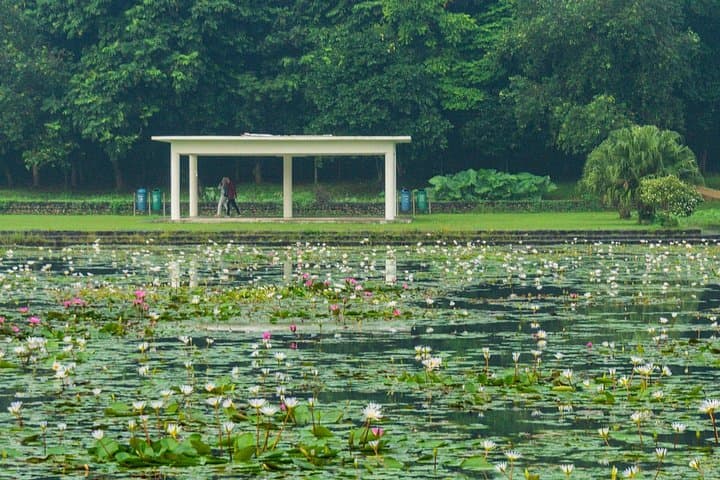
You step out of an air-conditioned van onto cool, mist-scented pavement and the Botanic Garden opens like a living atlas — orchids tucked under giant trees, gravel paths that lead to colonial-era specimens brought from across the tropics.
Verified experiences and guided adventures in the surrounding area.
Operated by Indo Trip · Bogor, West Java
You step out of an air-conditioned van onto cool, mist-scented pavement and the Botanic Garden opens like a living atlas — orchids tucked under giant trees, gravel paths that lead to colonial-era specimens brought from across the tropics.
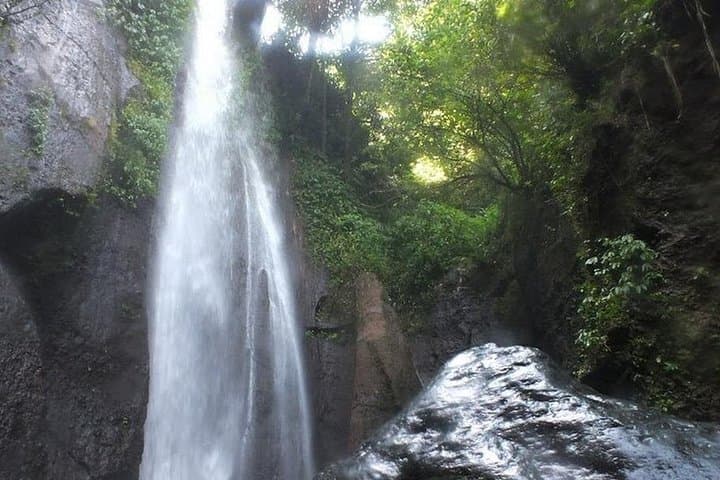
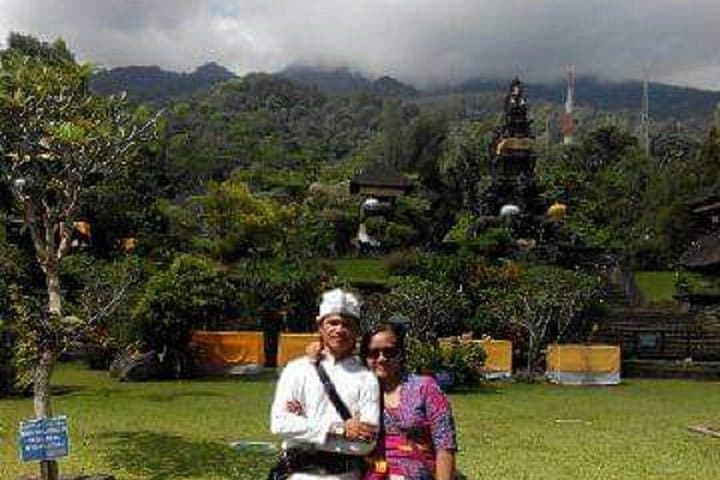
The day unfolds with clear contrasts: Kebun Raya Bogor, established in 1817 by the Dutch, shows botanical science and colonial landscape design; Parahyangan Agung Jagatkartta, a modern Hindu temple built in the 1990s, sits against Mount Salak and connects to Sunda kingdom stories; Curug Nangka (Nangka Waterfall) cuts a narrow, wet ribbon down the foothills of Salak, its spray daring you closer.
Geology here is active: volcanic Mount Salak shapes local soils and springs, feeding lush plantations and the river that feeds the waterfall. The culture mixes Sundanese traditions, Hindu ritual at the temple, and everyday Bogor life — markets, street stalls, and a slower tempo than Jakarta’s traffic.
Practical guide: this private tour runs about 10 hours with pickup in Jakarta; expect several short walks, stairs at the temple, and a damp 50-meter approach to the waterfall where you will likely get wet. Bring a sarong if you want to enter the temple’s inner areas with a priest’s permission; otherwise the complex is impressive from the outer courtyards. Wear grippy shoes for uneven paths, carry water and rain protection, and plan for a midday lunch at the garden restaurant.
Timing tip: start early to avoid Bogor’s afternoon showers and to enjoy cooler temperatures on Mount Salak’s slopes.
moderate.
10 hours.
Moderate fitness—able to walk short uneven trails and climb stairs; not suitable for those with serious mobility limits.
Yes — the tour includes pickup from Jakarta; your booking will ask for a pickup point to confirm the meeting location.
The tour listing states entrance/admission and lunch are included in the price—confirm any extra optional purchases on the day.
This activity is not recommended for children under seven; some parts involve wet, slippery approaches and mountain air that can be cold.
You can view most of the temple from outside, but to enter the sacred inner area you must wear a sarong and receive approval from temple priests.
Kebun Raya Bogor was founded in 1817 under Dutch colonial administration and became an important center for tropical botany; Parahyangan temple was built in the 1990s with links to sundanese royal sites.
High visitor numbers and litter risk sensitive areas—stick to paths, don’t feed wildlife, and support sites that use fees for maintenance.
Indo Trip operates guided outdoor trips and adventures with an emphasis on safety, stewardship, and memorable experiences.
You step out of an air-conditioned van onto cool, mist-scented pavement and the Botanic Garden opens like a living atlas — orchids tucked under giant trees, gravel paths that lead to colonial-era specimens brought from across the tropics.
You step out of an air-conditioned van onto cool, mist-scented pavement and the Botanic Garden opens like a living atlas — orchids tucked under giant trees, gravel paths that lead to colonial-era specimens brought from across the tropics.
The day unfolds with clear contrasts: Kebun Raya Bogor, established in 1817 by the Dutch, shows botanical science and colonial landscape design; Parahyangan Agung Jagatkartta, a modern Hindu temple built in the 1990s, sits against Mount Salak and connects to Sunda kingdom stories; Curug Nangka (Nangka Waterfall) cuts a narrow, wet ribbon down the foothills of Salak, its spray daring you closer.
Geology here is active: volcanic Mount Salak shapes local soils and springs, feeding lush plantations and the river that feeds the waterfall. The culture mixes Sundanese traditions, Hindu ritual at the temple, and everyday Bogor life — markets, street stalls, and a slower tempo than Jakarta’s traffic.
Practical guide: this private tour runs about 10 hours with pickup in Jakarta; expect several short walks, stairs at the temple, and a damp 50-meter approach to the waterfall where you will likely get wet. Bring a sarong if you want to enter the temple’s inner areas with a priest’s permission; otherwise the complex is impressive from the outer courtyards. Wear grippy shoes for uneven paths, carry water and rain protection, and plan for a midday lunch at the garden restaurant.
Timing tip: start early to avoid Bogor’s afternoon showers and to enjoy cooler temperatures on Mount Salak’s slopes.