THE ADVENTURE COLLECTIVE® · Independent discovery and booking for outdoor travel

Explore Bodrum’s historical heartbeat in a single day: a medieval castle-turned-museum, a Greco‑Roman theater, Alexander-era city walls, a traditional carpet workshop, and a busy bazaar. Practical route, vivid local insights, and photography stops make this a compact cultural loop.
Explore Bodrum’s historical heartbeat in a single day: a medieval castle-turned-museum, a Greco‑Roman theater, Alexander-era city walls, a traditional carpet workshop, and a busy bazaar. Practical route, vivid local insights, and photography stops make this a compact cultural loop.
You step off the cruise terminal into a salt-steeled breeze that pushes you toward a skyline of crenellated stone and whitewashed houses. The tour sets a brisk rhythm: cobbled streets underfoot, gulls trading thermal lifts over the harbor, and the castle’s silhouette closing in like a promise.
Verified experiences and guided adventures in the surrounding area.
Operated by Apasas travel · Bodrum, Muğla
You step off the cruise terminal into a salt-steeled breeze that pushes you toward a skyline of crenellated stone and whitewashed houses. The tour sets a brisk rhythm: cobbled streets underfoot, gulls trading thermal lifts over the harbor, and the castle’s silhouette closing in like a promise.
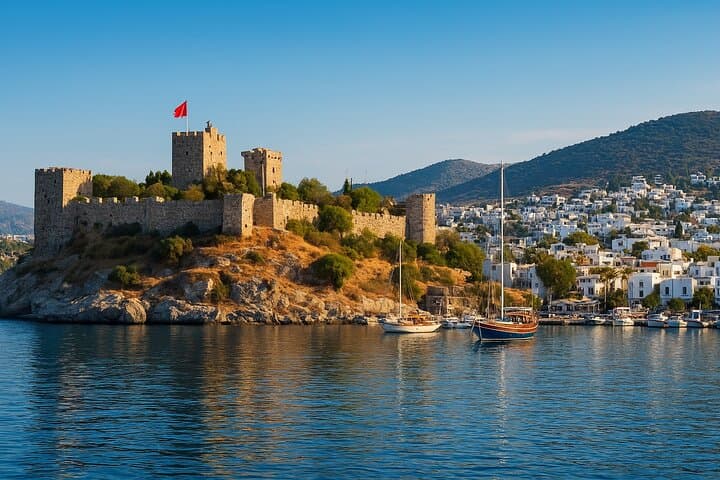
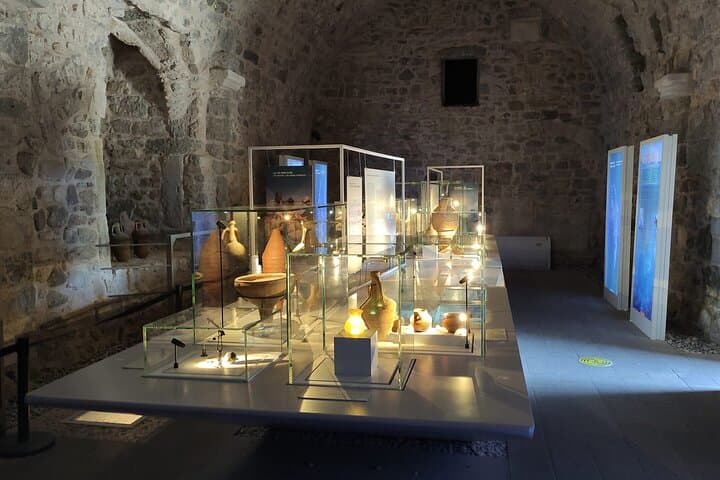
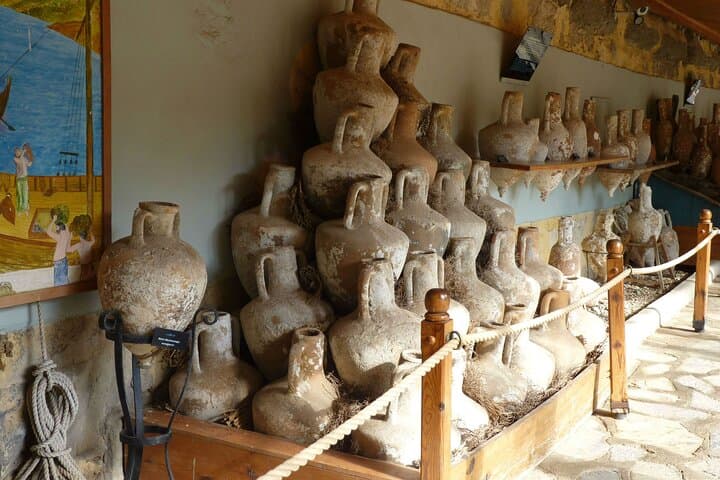
Bodrum sits on the remains of ancient Halicarnassus; the castle you visit was rebuilt by the Knights of St. John in the 15th century and now houses one of the world’s foremost underwater archaeology collections. Nearby, the Ancient Theater — cut into limestone — still channels Aegean breezes much as it did in Greco-Roman times. Myndos Gate marks the western edge of the old city where Alexander’s forces once tested the walls. Along the way you’ll see the region’s geology: soft limestone cliffs, scrubby maquis, and terraces that tell a history of human cultivation.
Culture arrives in the small things — a carpet weaver’s practiced hands, the rhythm of dyeing wool, and the market’s spice-sweet air. The Bodrum Windmills give a panoramic punctuation to the day; their vantage frames the town, the harbor, and the glittering sea beyond.
Practical notes: expect 6–7 hours walking on mixed surfaces and short drives between stops. Wear comfortable closed shoes for uneven cobbles, bring sun protection and a refillable water bottle, and carry modest cash for bazaar purchases. If you want quieter photos, plan a morning start; afternoons fill with cruise arrivals. Guides usually cover transport and narration, but verify site entry fees ahead of time.
easy.
7 hours.
Suitable for most fitness levels; expect several short walks, stairs, and standing during visits.
Most departures are from the Bodrum Cruise Port with return to the same location; confirm exact meeting point on your voucher.
The itinerary lists some admissions as included for the castle and museum; confirm with the operator whether all site fees are covered.
Yes — the tour is rated easy, though there are stairs and uneven surfaces; request a slower pace if needed.
Turkish lira is standard; small tips in cash are common for guides and drivers, and many vendors accept cards but prefer cash for small transactions.
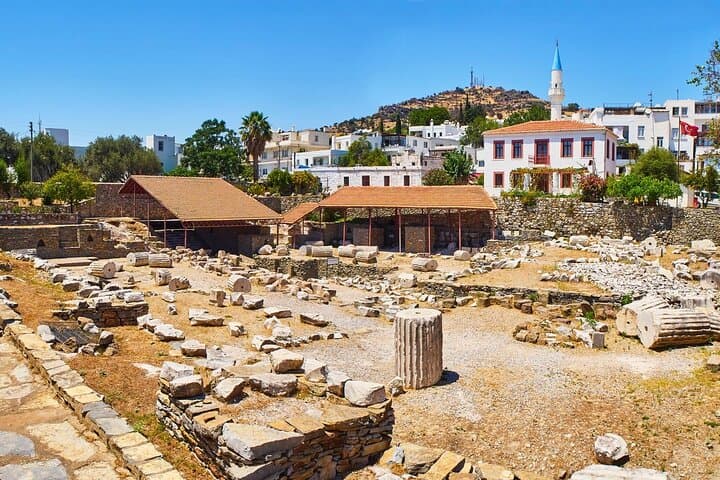
Bodrum occupies ancient Halicarnassus, once home to the Mausoleum — one of the Ancient Wonders — and later fortified by the Knights of St. John; layered histories are visible in its castle, theater, and city walls.
Many sites limit touching artifacts and enforce paths to protect fragile stonework; prefer reusable bottles and respect local signage to reduce impact.
Apasas travel operates guided outdoor trips and adventures with an emphasis on safety, stewardship, and memorable experiences.
You step off the cruise terminal into a salt-steeled breeze that pushes you toward a skyline of crenellated stone and whitewashed houses. The tour sets a brisk rhythm: cobbled streets underfoot, gulls trading thermal lifts over the harbor, and the castle’s silhouette closing in like a promise.
You step off the cruise terminal into a salt-steeled breeze that pushes you toward a skyline of crenellated stone and whitewashed houses. The tour sets a brisk rhythm: cobbled streets underfoot, gulls trading thermal lifts over the harbor, and the castle’s silhouette closing in like a promise.
Bodrum sits on the remains of ancient Halicarnassus; the castle you visit was rebuilt by the Knights of St. John in the 15th century and now houses one of the world’s foremost underwater archaeology collections. Nearby, the Ancient Theater — cut into limestone — still channels Aegean breezes much as it did in Greco-Roman times. Myndos Gate marks the western edge of the old city where Alexander’s forces once tested the walls. Along the way you’ll see the region’s geology: soft limestone cliffs, scrubby maquis, and terraces that tell a history of human cultivation.
Culture arrives in the small things — a carpet weaver’s practiced hands, the rhythm of dyeing wool, and the market’s spice-sweet air. The Bodrum Windmills give a panoramic punctuation to the day; their vantage frames the town, the harbor, and the glittering sea beyond.
Practical notes: expect 6–7 hours walking on mixed surfaces and short drives between stops. Wear comfortable closed shoes for uneven cobbles, bring sun protection and a refillable water bottle, and carry modest cash for bazaar purchases. If you want quieter photos, plan a morning start; afternoons fill with cruise arrivals. Guides usually cover transport and narration, but verify site entry fees ahead of time.