THE ADVENTURE COLLECTIVE® · Independent discovery and booking for outdoor travel

Spend a full day from Cuenca exploring Cajas National Park’s Llaviuco sector—an early-morning, eight-hour birding loop that targets endemic and high-altitude species including the rare Metallura baroni. Expect brisk weather, mossy montane forest and concentrated hummingbird activity.
Spend a full day from Cuenca exploring Cajas National Park’s Llaviuco sector—an early-morning, eight-hour birding loop that targets endemic and high-altitude species including the rare Metallura baroni. Expect brisk weather, mossy montane forest and concentrated hummingbird activity.
Dawn arrives cool and thin at 3,100 meters as the minivan crests the road into Cajas National Park. Mist parts over stunted Polylepis and damp montane forest; a sudden flash of turquoise cuts through the trees and the morning begins—hummingbirds, trogons and tanagers already active on the shrub- and moss-draped branches.
Verified experiences and guided adventures in the surrounding area.
Operated by BM TOURS SA · Cuenca, Azuay
Dawn arrives cool and thin at 3,100 meters as the minivan crests the road into Cajas National Park. Mist parts over stunted Polylepis and damp montane forest; a sudden flash of turquoise cuts through the trees and the morning begins—hummingbirds, trogons and tanagers already active on the shrub- and moss-draped branches.
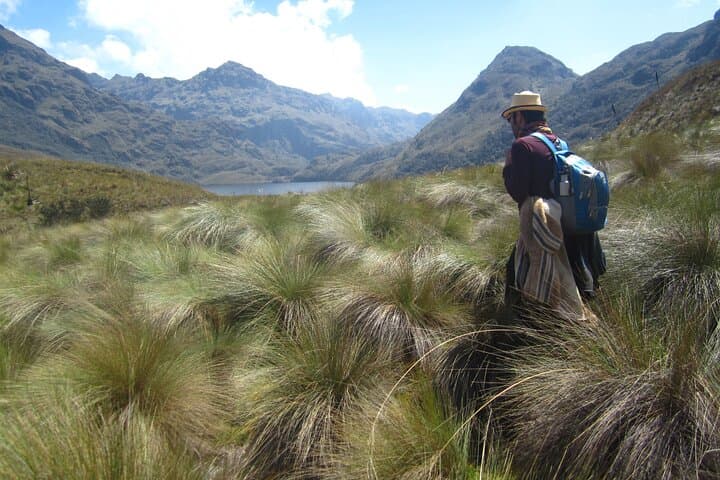
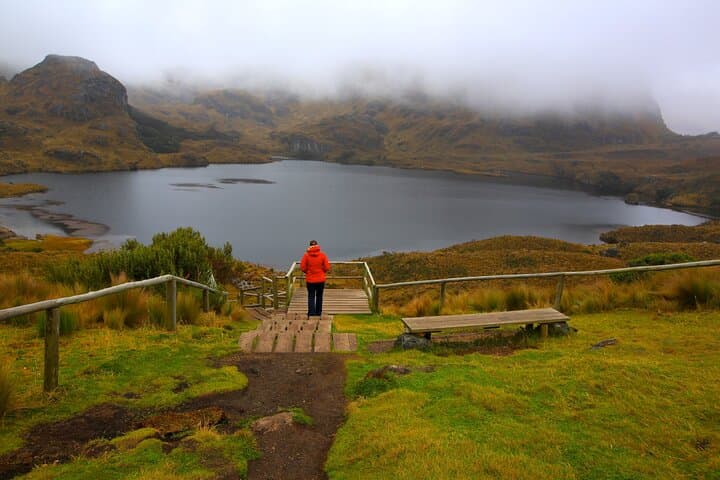
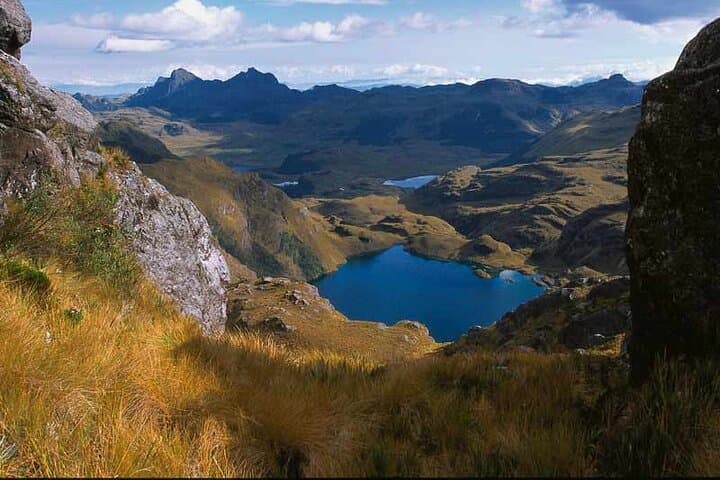
Cajas is an Andean highland of lakes, glacially scoured valleys and eroded plateaus, carved in the Pleistocene and home to fragile páramo and montane forest ecosystems. Indigenous and campesino cultures have grazed the highlands for centuries, and today small communities around Cuenca act as gateways for naturalists. The park’s geology—peat soils, rocky outcrops and dozens of small lagoons—creates microhabitats that support a notable bird list, including 12 recorded hummingbird species and the endemic Metallura baroni (the Gorjivioleta) found only in this landscape.
On a shared, early-start tour you’ll spend roughly eight hours moving between viewpoints and quiet forest trails in the Llaviuco sector. Guides point out species such as the Andean Toucan, Masked Trogon and turquoise jay while offering local context and identification help. Expect narrow, sometimes muddy trails, brisk temperatures and thin air.
Practical tips: start early (06:00), carry layered clothing for rapidly changing weather, bring hydration and sturdy footwear, and use binoculars and a field guide to make the most of short, active sightings. Transport, snacks and a box lunch are included, allowing you to focus on birds and the highland light that seems to follow them.
moderate.
6–8 hours.
Moderate fitness—comfortable walking over uneven, sometimes muddy trails at high altitude; brief standing waits for bird activity.
The tour typically departs around 06:00 and lasts about eight hours (approx. 480 minutes), returning to Cuenca in the afternoon.
Llaviuco is one of the best places to encounter Metallura baroni, but sightings are never guaranteed—early starts and patient quieting of movement increase your chances.
This tour involves walking on uneven terrain and is not recommended for travelers with significant mobility limitations; notify the operator of any issues during booking.
Yes—transportation, morning snacks (tea/coffee/cookies) and a box lunch are included in the tour price.
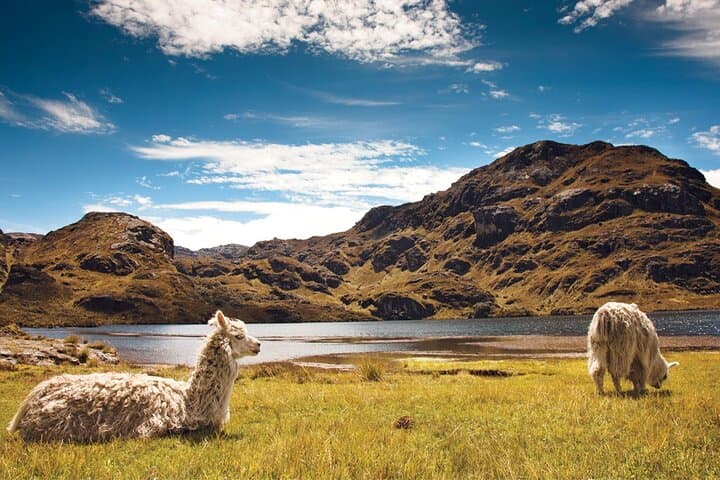
Cajas has been shaped by glacial action and long-standing pastoral use; local communities historically relied on alpaca and sheep grazing and still maintain access routes into the park.
Cajas is a protected national park with active conservation measures; visitors are encouraged to stay on trails, avoid feeding wildlife and carry out waste to protect fragile páramo and montane forest habitats.
BM TOURS SA operates guided outdoor trips and adventures with an emphasis on safety, stewardship, and memorable experiences.
Dawn arrives cool and thin at 3,100 meters as the minivan crests the road into Cajas National Park. Mist parts over stunted Polylepis and damp montane forest; a sudden flash of turquoise cuts through the trees and the morning begins—hummingbirds, trogons and tanagers already active on the shrub- and moss-draped branches.
Dawn arrives cool and thin at 3,100 meters as the minivan crests the road into Cajas National Park. Mist parts over stunted Polylepis and damp montane forest; a sudden flash of turquoise cuts through the trees and the morning begins—hummingbirds, trogons and tanagers already active on the shrub- and moss-draped branches.
Cajas is an Andean highland of lakes, glacially scoured valleys and eroded plateaus, carved in the Pleistocene and home to fragile páramo and montane forest ecosystems. Indigenous and campesino cultures have grazed the highlands for centuries, and today small communities around Cuenca act as gateways for naturalists. The park’s geology—peat soils, rocky outcrops and dozens of small lagoons—creates microhabitats that support a notable bird list, including 12 recorded hummingbird species and the endemic Metallura baroni (the Gorjivioleta) found only in this landscape.
On a shared, early-start tour you’ll spend roughly eight hours moving between viewpoints and quiet forest trails in the Llaviuco sector. Guides point out species such as the Andean Toucan, Masked Trogon and turquoise jay while offering local context and identification help. Expect narrow, sometimes muddy trails, brisk temperatures and thin air.
Practical tips: start early (06:00), carry layered clothing for rapidly changing weather, bring hydration and sturdy footwear, and use binoculars and a field guide to make the most of short, active sightings. Transport, snacks and a box lunch are included, allowing you to focus on birds and the highland light that seems to follow them.