THE ADVENTURE COLLECTIVE® · Independent discovery and booking for outdoor travel

Spend a day chasing calls and flashes of color through Kruger National Park. This full-day birding tour uses a 4×4 vehicle and expert guide to find waterbirds, raptors, and migrants—culminating in a picnic at Lake Panic Bird Hide.
Spend a day chasing calls and flashes of color through Kruger National Park. This full-day birding tour uses a 4×4 vehicle and expert guide to find waterbirds, raptors, and migrants—culminating in a picnic at Lake Panic Bird Hide.
A dawn chorus unspools as the Land Rover eases onto a sandy track—acacia silhouettes sharpen against a rising sun, and far-off calls thread the air like a map. On this full-day birding tour of Kruger National Park, the guide tunes into calls, eyes scanning canopy and reed bed alike, while the vehicle offers comfortable vantage and quick moves between hotspots.
Verified experiences and guided adventures in the surrounding area.
Operated by Bubezi Safaris · Skukuza, Mpumalanga
A dawn chorus unspools as the Land Rover eases onto a sandy track—acacia silhouettes sharpen against a rising sun, and far-off calls thread the air like a map. On this full-day birding tour of Kruger National Park, the guide tunes into calls, eyes scanning canopy and reed bed alike, while the vehicle offers comfortable vantage and quick moves between hotspots.
Kruger’s geology is an ancient sweep of granite and basalt that shapes drainage lines and pans where birds concentrate. The park mixes riverine forest, mopane scrub, and open savanna—habitats that explain why Kruger records about 546 species, plus roughly 200 migrants that arrive Oct–Mar. Lake Panic Bird Hide, one scheduled stop, sits where seasonal flows gather waterbirds and raptors; culturally, the park has long been central to local Tsonga and Swazi communities and now supports conservation and eco-tourism across Mpumalanga.
Expect a slow, observational pace punctuated by sudden flurries of activity: a flock lifts, a raptor wheels and the guide calls species names into a clipboard list you’ll receive. Small-group limits (max six) and a 4×4 vehicle keep the experience intimate and accessible.
Practical notes: dress in neutral layers, bring binoculars and a hat, and plan for midday heat—the day includes bottled water and a picnic lunch at Lake Panic. Timing is key: migrants swell numbers in summer (Oct–Mar), while dry-season concentrations make sightings reliable in winter. Carry sunscreen, a field guide or app, and patience—the park rewards those who watch closely.
easy.
6 hours.
Suitable for most fitness levels; the day involves short flat walks from the vehicle to hides but is primarily seated observation.
Sightings vary with season and weather; expect dozens to well over a hundred species on a full-day tour, with totals higher during the Oct–Mar migrant influx.
Yes—the tour is classified as physically easy, primarily vehicle-based with only short, flat walks to hides; notify the operator of mobility needs when booking.
Yes—bottled water and a picnic lunch at Lake Panic Bird Hide are included in the tour price.
Recommended but not strictly required; bringing your own optics improves the experience, though some operators offer rentals by arrangement.
Kruger National Park, established in 1898 and expanded through the 20th century, is one of Africa’s oldest protected areas and a core site for regional conservation.
Visitor traffic is managed through designated tracks and hides to limit disturbance; follow guide instructions and avoid leaving litter to protect sensitive habitats.
Bubezi Safaris operates guided outdoor trips and adventures with an emphasis on safety, stewardship, and memorable experiences.
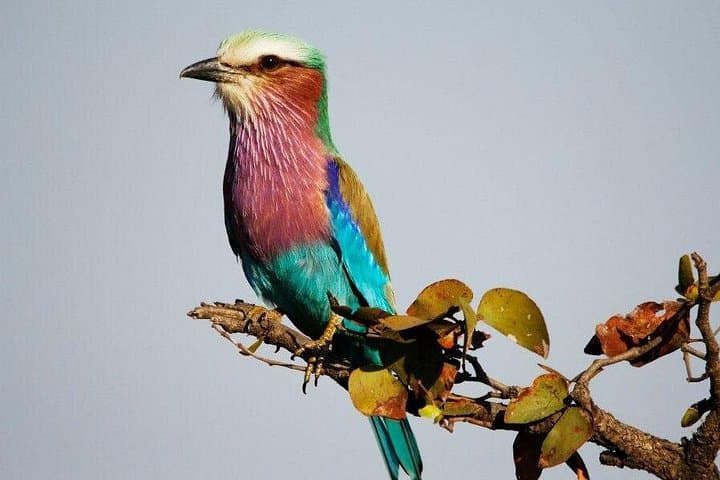
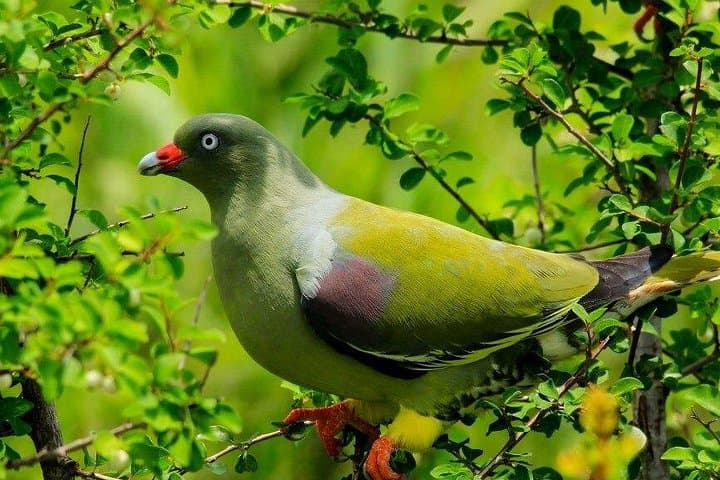
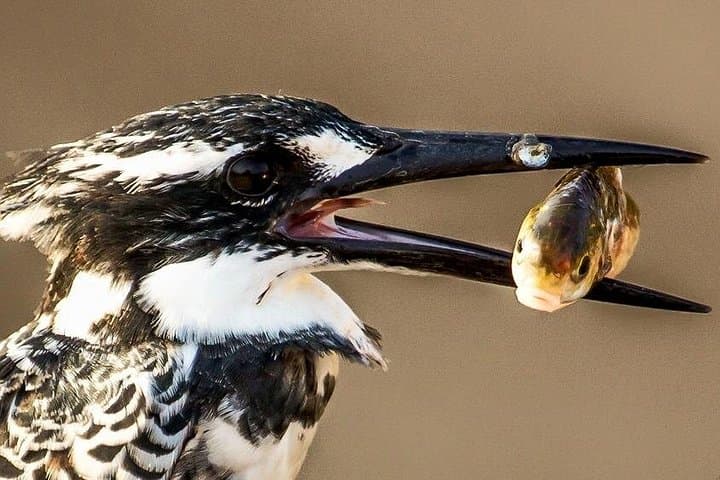
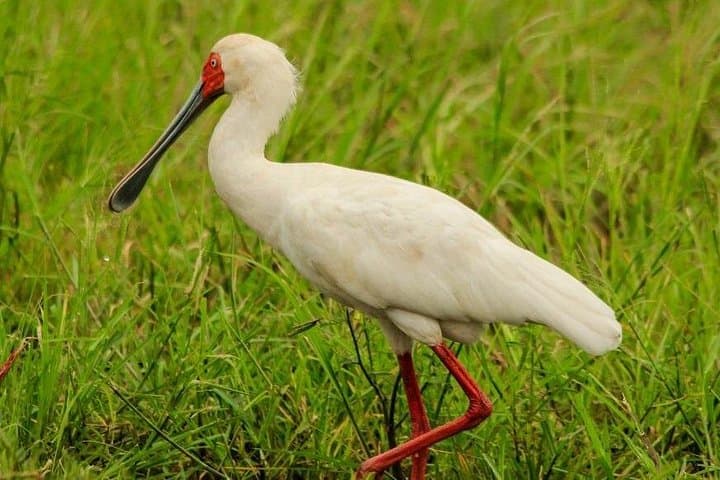
A dawn chorus unspools as the Land Rover eases onto a sandy track—acacia silhouettes sharpen against a rising sun, and far-off calls thread the air like a map. On this full-day birding tour of Kruger National Park, the guide tunes into calls, eyes scanning canopy and reed bed alike, while the vehicle offers comfortable vantage and quick moves between hotspots.
A dawn chorus unspools as the Land Rover eases onto a sandy track—acacia silhouettes sharpen against a rising sun, and far-off calls thread the air like a map. On this full-day birding tour of Kruger National Park, the guide tunes into calls, eyes scanning canopy and reed bed alike, while the vehicle offers comfortable vantage and quick moves between hotspots.
Kruger’s geology is an ancient sweep of granite and basalt that shapes drainage lines and pans where birds concentrate. The park mixes riverine forest, mopane scrub, and open savanna—habitats that explain why Kruger records about 546 species, plus roughly 200 migrants that arrive Oct–Mar. Lake Panic Bird Hide, one scheduled stop, sits where seasonal flows gather waterbirds and raptors; culturally, the park has long been central to local Tsonga and Swazi communities and now supports conservation and eco-tourism across Mpumalanga.
Expect a slow, observational pace punctuated by sudden flurries of activity: a flock lifts, a raptor wheels and the guide calls species names into a clipboard list you’ll receive. Small-group limits (max six) and a 4×4 vehicle keep the experience intimate and accessible.
Practical notes: dress in neutral layers, bring binoculars and a hat, and plan for midday heat—the day includes bottled water and a picnic lunch at Lake Panic. Timing is key: migrants swell numbers in summer (Oct–Mar), while dry-season concentrations make sightings reliable in winter. Carry sunscreen, a field guide or app, and patience—the park rewards those who watch closely.