THE ADVENTURE COLLECTIVE® · Independent discovery and booking for outdoor travel

Spend a day tasting the Beaujolais Crus north of Lyon, visiting small domaines, sampling gamay-driven wines and enjoying a local lunch along the Crus route. Perfect for travelers who want an efficient, informative intro to this hilly wine region.
Spend a day tasting the Beaujolais Crus north of Lyon, visiting small domaines, sampling gamay-driven wines and enjoying a local lunch along the Crus route. Perfect for travelers who want an efficient, informative intro to this hilly wine region.
The bus slips out of Lyon and the city noise thins to rolling hills of vines. Sunlight cuts across rows of gamay; tiny, square stone villages punctuate slopes as the guide opens the day with a quick history of the region.
Verified experiences and guided adventures in the surrounding area.
Operated by Rhône Trip · Lyon, Auvergne-Rhône-Alpes
The bus slips out of Lyon and the city noise thins to rolling hills of vines. Sunlight cuts across rows of gamay; tiny, square stone villages punctuate slopes as the guide opens the day with a quick history of the region.
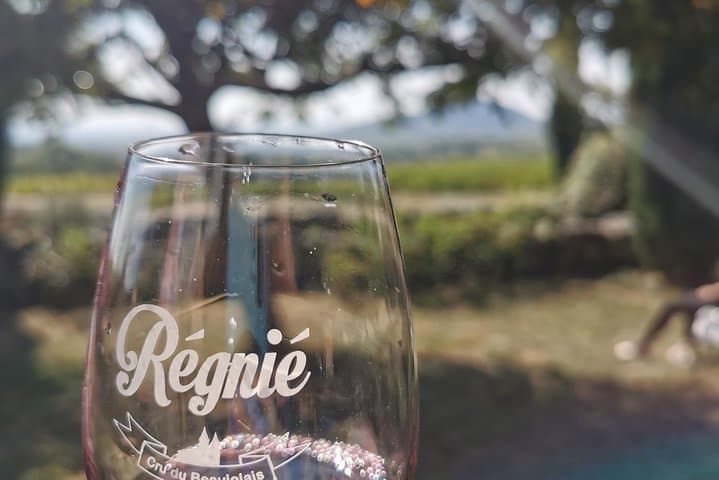
Beaujolais sits on granite and schist that give its gamay grapes a bright, fruity lift—wine made for immediate drinking but each "Cru" carries its own character. The route follows the ten named Crus: from the floral notes of Fleurie to the firmer, peppered structure of Morgon. Villages like Oingt and Romanesque chapels appear as human marks on an ancient agricultural landscape where monks and local growers shaped terraced plots over centuries.
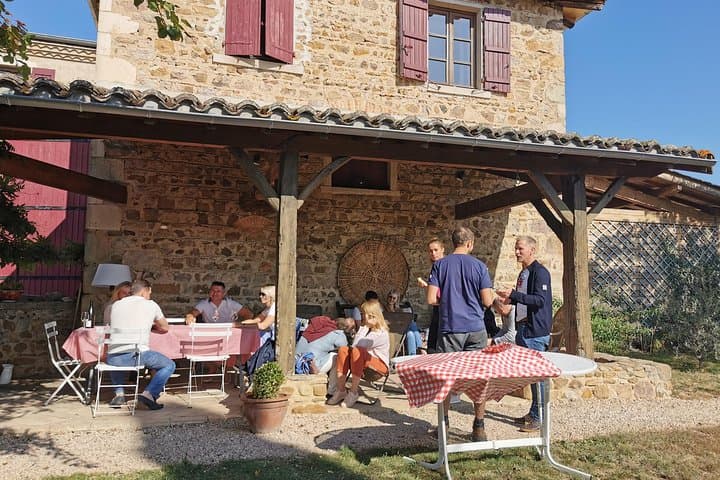
Culturally the day is both tasting and learning: small domaines, family cellars and cooperative presses open doors, and a mid-day meal in a local bistro pairs regional sausage, charcuterie and cheese with the wines you sample.
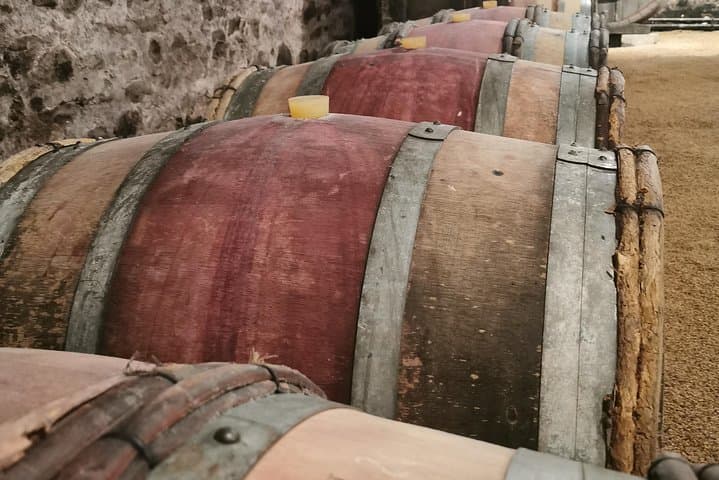
Practically, expect two cellar visits with guided tastings, a restaurant lunch, and a scenic drive through the Crus route. The terrain is low-elevation but uneven in vineyards—short walks on dirt tracks and stone lanes. Dress in layers, bring comfortable walking shoes, and keep a reusable bottle for the minivan ride. Book in advance—the tour is shared, limited to small groups, and operates year-round. For first-timers this is an efficient way to read Beaujolais by glass and landscape: grape, stone, and a south-of-Lyon light that seems to push each sip forward.
easy.
6–7 hours.
Light—mostly seated in a minivan with short vineyard walks and village ramps; no special fitness required.
The typical itinerary includes two cellar visits plus a restaurant lunch and scenic stops along the Crus route; exact stops may vary by group and season.
Yes—tastings (small pours), transport by air-conditioned minivan and a driver/guide are included in the tour price.
The meeting point is at the Lyon tourism office on Place Bellecour (20 Place Bellecour) and the tour returns there at the end of the day.
Children can join but must be accompanied by an adult; the operator notes that dietary requirements should be communicated at booking so lunch can be adapted.
Beaujolais viticulture has roots in Roman-era plantings and was developed over centuries by monastic and local growers who established the Cru names from medieval land divisions.
Small domaines increasingly adopt organic or low-intervention practices; visitors should respect vineyard boundaries, avoid trampling rows and follow guides to limit footprint.
Rhône Trip operates guided outdoor trips and adventures with an emphasis on safety, stewardship, and memorable experiences.
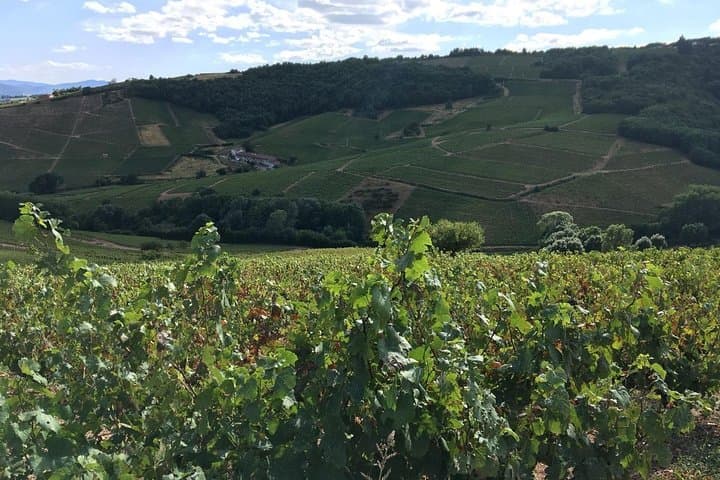
The bus slips out of Lyon and the city noise thins to rolling hills of vines. Sunlight cuts across rows of gamay; tiny, square stone villages punctuate slopes as the guide opens the day with a quick history of the region.
The bus slips out of Lyon and the city noise thins to rolling hills of vines. Sunlight cuts across rows of gamay; tiny, square stone villages punctuate slopes as the guide opens the day with a quick history of the region.
Beaujolais sits on granite and schist that give its gamay grapes a bright, fruity lift—wine made for immediate drinking but each "Cru" carries its own character. The route follows the ten named Crus: from the floral notes of Fleurie to the firmer, peppered structure of Morgon. Villages like Oingt and Romanesque chapels appear as human marks on an ancient agricultural landscape where monks and local growers shaped terraced plots over centuries.
Culturally the day is both tasting and learning: small domaines, family cellars and cooperative presses open doors, and a mid-day meal in a local bistro pairs regional sausage, charcuterie and cheese with the wines you sample.
Practically, expect two cellar visits with guided tastings, a restaurant lunch, and a scenic drive through the Crus route. The terrain is low-elevation but uneven in vineyards—short walks on dirt tracks and stone lanes. Dress in layers, bring comfortable walking shoes, and keep a reusable bottle for the minivan ride. Book in advance—the tour is shared, limited to small groups, and operates year-round. For first-timers this is an efficient way to read Beaujolais by glass and landscape: grape, stone, and a south-of-Lyon light that seems to push each sip forward.