THE ADVENTURE COLLECTIVE® · Independent discovery and booking for outdoor travel

Drive from Dubrovnik into the winding arms of the Bay of Kotor on a small-group day tour that visits Perast’s islets, medieval Kotor and Budva’s seaside old town. Expect short walks, UNESCO-listed history, a border check and coastal viewpoints.
Drive from Dubrovnik into the winding arms of the Bay of Kotor on a small-group day tour that visits Perast’s islets, medieval Kotor and Budva’s seaside old town. Expect short walks, UNESCO-listed history, a border check and coastal viewpoints.
You pull away from Dubrovnik’s stone ramparts and the road carves west along the Adriatic, each bend revealing another arm of the Bay of Kotor — a deep, fjord-like inlet rimmed by limestone cliffs that seem to hold centuries of salt and story.
Verified experiences and guided adventures in the surrounding area.
Operated by Dubrovnik Smile · Kotor, Kotor Municipality
You pull away from Dubrovnik’s stone ramparts and the road carves west along the Adriatic, each bend revealing another arm of the Bay of Kotor — a deep, fjord-like inlet rimmed by limestone cliffs that seem to hold centuries of salt and story.
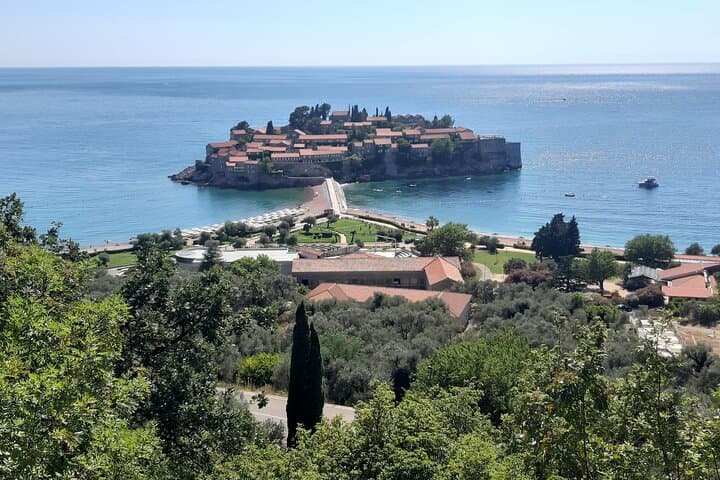
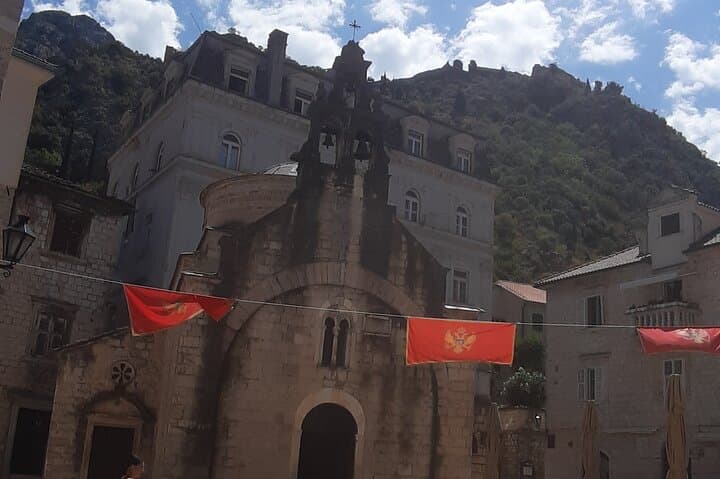
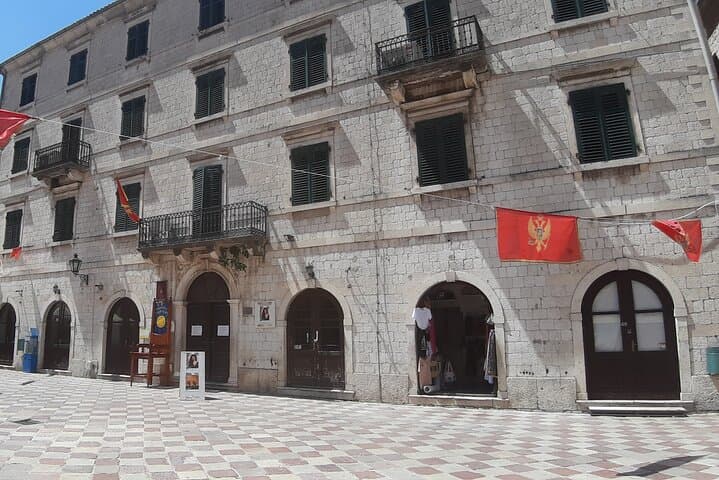
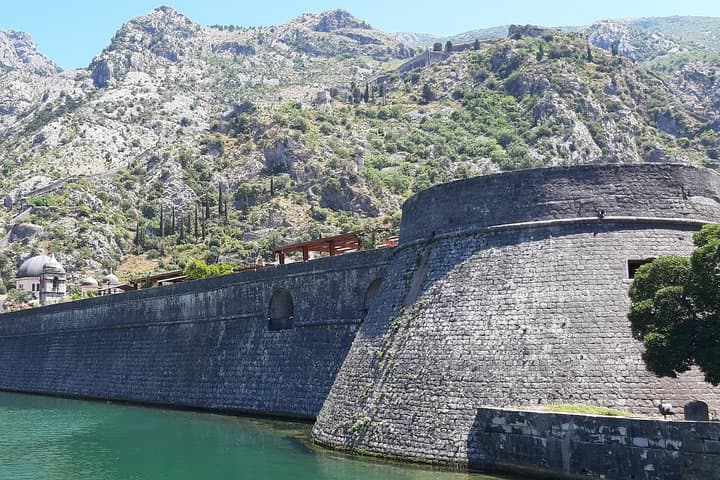
The small-group day tour threads through Perast, where two islets sit like chapters in a maritime ledger: the natural isle of St. George and the manmade Our Lady of the Rocks, crowned by a painted church. In Kotor, the town presses up against steep slopes; narrow lanes spill into Romanesque churches and a modest maritime museum that explains why seafaring shaped local life. The drive finishes east at Budva, where Venetian walls guard a compact old town and sandy beaches offer a quick dip.
Geology is visible in the plunging karst cliffs and sheltered coves; culture is in the mixed Catholic and Orthodox churches and Venetian façades born from centuries of trade and conquest. The bay’s UNESCO status reflects both cultural continuity and fragile landscapes.
Practicalities: expect a roughly six-hour outing in an air-conditioned 8-seat minivan with hotel pickup from Dubrovnik. Border formalities require a passport — and a small local entry tax into Kotor (cash). Walking is light but includes cobbled streets and optional steps to viewpoints; wear sturdy shoes, sunscreen, and layers for wind near the water. Bring cash, a swimsuit if you might dip in Budva, and charge your camera—this is a day built for photos, history, and a quick taste of Montenegro’s Adriatic coast.
easy.
6 hours.
Light fitness — mostly short, paced walking on cobbles and flat streets with optional climbs to viewpoints
Yes — the itinerary crosses the Croatia–Montenegro border; bring a valid passport and any required visas.
Some itineraries allow a short beach stop in Budva; bring swimwear and plan for a quick dip rather than a full beach day.
Walking is light to moderate: cobbled streets, short stair sections and standing during photo stops; most participants find normal city-walking fitness sufficient.
Small local fees (like the Kotor entry tax) are often collected in cash, so carry a few euros for incidentals.
The Bay of Kotor’s towns grew under Venetian, Ottoman and Austro-Hungarian influence; the whole region is a UNESCO Natural and Culturo-Historical Site for its preserved architecture and maritime heritage.
Karst shores and historic walls are sensitive to erosion and overtourism — stick to marked paths, use local guides, and avoid single-use plastics.
Dubrovnik Smile operates guided outdoor trips and adventures with an emphasis on safety, stewardship, and memorable experiences.
You pull away from Dubrovnik’s stone ramparts and the road carves west along the Adriatic, each bend revealing another arm of the Bay of Kotor — a deep, fjord-like inlet rimmed by limestone cliffs that seem to hold centuries of salt and story.
You pull away from Dubrovnik’s stone ramparts and the road carves west along the Adriatic, each bend revealing another arm of the Bay of Kotor — a deep, fjord-like inlet rimmed by limestone cliffs that seem to hold centuries of salt and story.
The small-group day tour threads through Perast, where two islets sit like chapters in a maritime ledger: the natural isle of St. George and the manmade Our Lady of the Rocks, crowned by a painted church. In Kotor, the town presses up against steep slopes; narrow lanes spill into Romanesque churches and a modest maritime museum that explains why seafaring shaped local life. The drive finishes east at Budva, where Venetian walls guard a compact old town and sandy beaches offer a quick dip.
Geology is visible in the plunging karst cliffs and sheltered coves; culture is in the mixed Catholic and Orthodox churches and Venetian façades born from centuries of trade and conquest. The bay’s UNESCO status reflects both cultural continuity and fragile landscapes.
Practicalities: expect a roughly six-hour outing in an air-conditioned 8-seat minivan with hotel pickup from Dubrovnik. Border formalities require a passport — and a small local entry tax into Kotor (cash). Walking is light but includes cobbled streets and optional steps to viewpoints; wear sturdy shoes, sunscreen, and layers for wind near the water. Bring cash, a swimsuit if you might dip in Budva, and charge your camera—this is a day built for photos, history, and a quick taste of Montenegro’s Adriatic coast.