THE ADVENTURE COLLECTIVE® · Independent discovery and booking for outdoor travel

Discover pink sandstone carvings at Banteay Srei, sacred river sculptures and waterfalls on Phnom Kulen, then explore the overgrown ruins of Beng Mealea—all in one full day from Siem Reap. This practical guide tells you what to expect, what to bring, and how to move through these living archaeological landscapes.
Discover pink sandstone carvings at Banteay Srei, sacred river sculptures and waterfalls on Phnom Kulen, then explore the overgrown ruins of Beng Mealea—all in one full day from Siem Reap. This practical guide tells you what to expect, what to bring, and how to move through these living archaeological landscapes.
You arrive before dawn in the red dust of the countryside outside Siem Reap, the road cutting through rice paddies as the sun lifts steam off flooded fields. The first stop, Banteay Srei, places you close enough to peer into delicate 10th-century pink sandstone reliefs—small-scale carving that rewards a patient eye. Later the ride climbs Phnom Kulen, where a river bears carved lingas across its bed and water dares you to feel its cool current at the waterfall pools.
Verified experiences and guided adventures in the surrounding area.
Operated by The Fin Travel & Tours · Siem Reap, Siem Reap Province
You arrive before dawn in the red dust of the countryside outside Siem Reap, the road cutting through rice paddies as the sun lifts steam off flooded fields. The first stop, Banteay Srei, places you close enough to peer into delicate 10th-century pink sandstone reliefs—small-scale carving that rewards a patient eye. Later the ride climbs Phnom Kulen, where a river bears carved lingas across its bed and water dares you to feel its cool current at the waterfall pools.
This loop follows an Angkorian timeline: Banteay Srei’s refined sculpture (10th century) contrasts with the 12th-century grandeur of Angkor-era temples like Beng Mealea, which sits in a near-untouched ruin state. Geology shifts from flat alluvial plains to the uplifted sandstone and laterite of Kulen Mountain, which feeds Siem Reap’s rivers. Culture here is active—monks at Wat Preah Ang Thom offer water-blessings, and families picnic at the falls on weekends.
Practical guidance: expect a long day (about 9–10 hours) with periods of walking on uneven temple stones, short hikes to viewpoints, and time for a swim. Wear grippy shoes for roots and wet rocks, bring a quick-dry change for the waterfall, and carry sun and insect protection. The best light for photography is morning at Banteay Srei and late afternoon at Beng Mealea when shadows emphasize carvings.
Local guides typically include bottled water and transport in an air-conditioned vehicle; tipping is customary. Respect active religious sites—cover shoulders and knees—and leave no trace at picnic areas to protect the fragile temple environs.
moderate.
9–10 hours.
Suitable for travelers in average fitness: multiple short walks, some uneven terrain and steps; brief swims optional.
The tour runs about 9–10 hours with roughly 1–1.5 hours driving between major stops; expect several short walks at each site.
This tour listing notes admissions are not included—bring cash for site fees, lunch, and optional donations or blessings.
Yes—guides rate the trip physically easy to moderate; however, mobility on rough temple steps and wet rocks may be challenging for some.
Yes, swimming is common at designated pools; exercise caution on slippery rocks and follow local guidance about current conditions.
The route links Angkorian-era sites from the 10th–12th centuries; Beng Mealea retains much of its ruined, overgrown state which gives insight into temple collapse and jungle reoccupation.
Visitor pressure and water pollution threaten fragile sandstone carvings and river sites; stick to marked paths, avoid touching delicate carvings, and pack out all waste.
The Fin Travel & Tours operates guided outdoor trips and adventures with an emphasis on safety, stewardship, and memorable experiences.
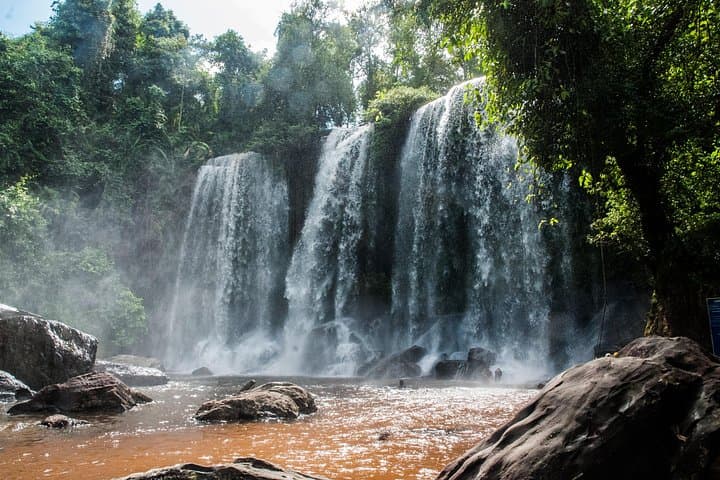
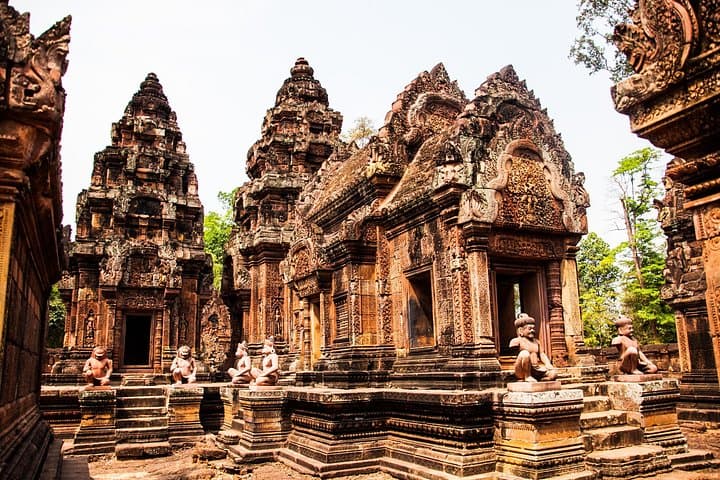
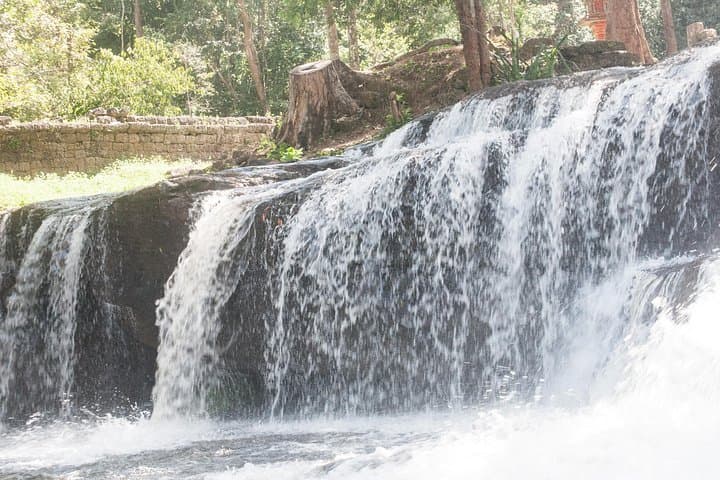
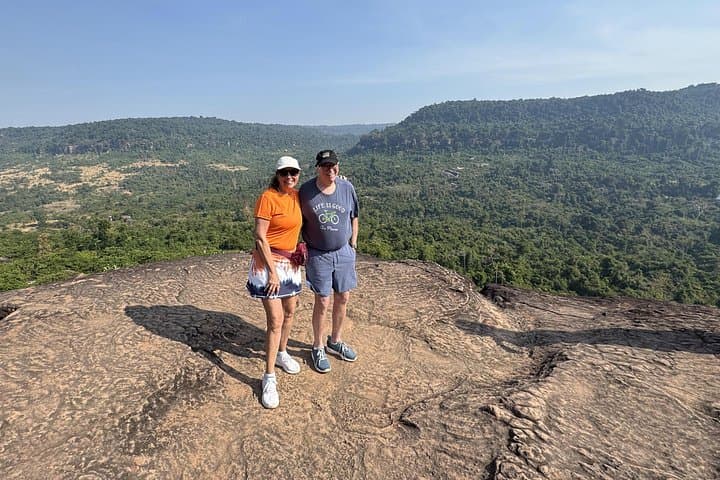
You arrive before dawn in the red dust of the countryside outside Siem Reap, the road cutting through rice paddies as the sun lifts steam off flooded fields. The first stop, Banteay Srei, places you close enough to peer into delicate 10th-century pink sandstone reliefs—small-scale carving that rewards a patient eye. Later the ride climbs Phnom Kulen, where a river bears carved lingas across its bed and water dares you to feel its cool current at the waterfall pools.
You arrive before dawn in the red dust of the countryside outside Siem Reap, the road cutting through rice paddies as the sun lifts steam off flooded fields. The first stop, Banteay Srei, places you close enough to peer into delicate 10th-century pink sandstone reliefs—small-scale carving that rewards a patient eye. Later the ride climbs Phnom Kulen, where a river bears carved lingas across its bed and water dares you to feel its cool current at the waterfall pools.
This loop follows an Angkorian timeline: Banteay Srei’s refined sculpture (10th century) contrasts with the 12th-century grandeur of Angkor-era temples like Beng Mealea, which sits in a near-untouched ruin state. Geology shifts from flat alluvial plains to the uplifted sandstone and laterite of Kulen Mountain, which feeds Siem Reap’s rivers. Culture here is active—monks at Wat Preah Ang Thom offer water-blessings, and families picnic at the falls on weekends.
Practical guidance: expect a long day (about 9–10 hours) with periods of walking on uneven temple stones, short hikes to viewpoints, and time for a swim. Wear grippy shoes for roots and wet rocks, bring a quick-dry change for the waterfall, and carry sun and insect protection. The best light for photography is morning at Banteay Srei and late afternoon at Beng Mealea when shadows emphasize carvings.
Local guides typically include bottled water and transport in an air-conditioned vehicle; tipping is customary. Respect active religious sites—cover shoulders and knees—and leave no trace at picnic areas to protect the fragile temple environs.