THE ADVENTURE COLLECTIVE® · Independent discovery and booking for outdoor travel

Spend a day exploring East Bali’s highlights: canyon-wrapped Cepung Waterfall, the traditional Penglipuran village, panoramic views of Mount Batur and its lake, and the iconic Tegallalang rice terraces. This 6–8 hour tour mixes easy river walking, cultural stops, and dramatic volcano scenery.
Spend a day exploring East Bali’s highlights: canyon-wrapped Cepung Waterfall, the traditional Penglipuran village, panoramic views of Mount Batur and its lake, and the iconic Tegallalang rice terraces. This 6–8 hour tour mixes easy river walking, cultural stops, and dramatic volcano scenery.
You step off the shaded lane and the canyon opens—light strips through a curtain of green as water threads its way into a narrow bowl. Walking through a shallow river toward Cepung Waterfall, the stones push back under your boots and the falls call you closer; the spray cools the air and the canyon feels alive.
Verified experiences and guided adventures in the surrounding area.
Operated by Online Bali Driver · Ubud, Bali
You step off the shaded lane and the canyon opens—light strips through a curtain of green as water threads its way into a narrow bowl. Walking through a shallow river toward Cepung Waterfall, the stones push back under your boots and the falls call you closer; the spray cools the air and the canyon feels alive.
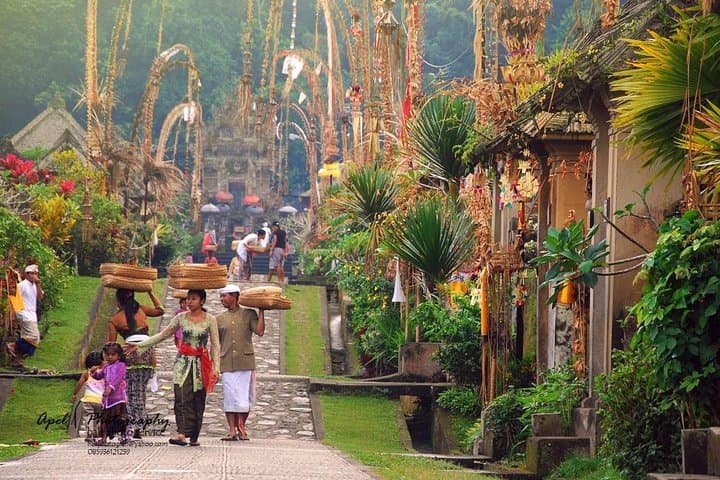
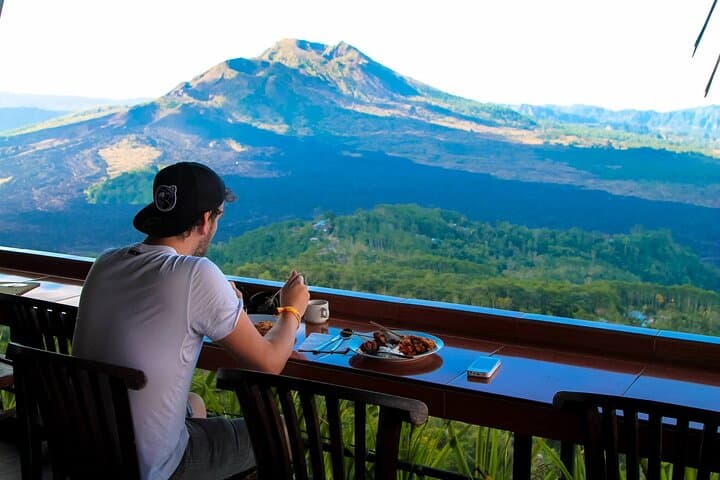
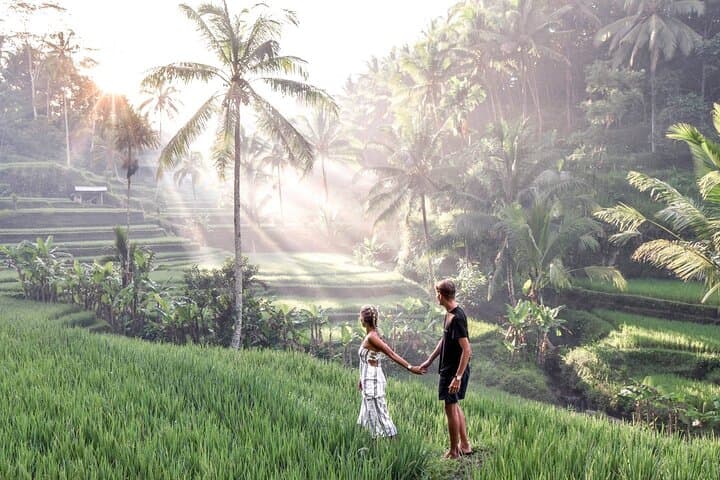
This single-day loop threads East Bali’s natural and cultural highlights. Cepung sits in Bangli regency, hidden by a limestone gorge that channels clear water into a palm-fingered amphitheater. Nearby Penglipuran Village preserves a traditional Balinese compound layout—well-ordered yards, compact bamboo gates, and rituals tied to agrarian life. Higher on the island, Kintamani looks across a volcanic caldera to Mount Batur and its lake; Batur is an active volcano (1,717 m) that shaped the surrounding black-lava soils and the island’s dramatic ridgelines. Tegallalang’s rice terraces reveal centuries of subak irrigation engineering and offer immediate photographic payoff.
Expect light walking and brief river crossings at Cepung (bring towel and quick-dry clothes). The day is 6–8 hours with minimal continuous elevation gain, though Kintamani sits at highland altitude—air feels cooler and views broaden. Cultural respect matters: dress modestly in villages, remove shoes at temple thresholds, and ask before photographing people. Hydrate in the heat, wear grippy shoes for wet rocks, and plan the visit in the dry season (April–October) for safer river crossings and clearer volcano views. This is an accessible day that mixes easy adventure, geology, and living culture—an efficient way to read Bali’s landscapes and communities in a single, memorable day.
easy.
6–8 hours.
Suitable for light to moderate fitness—able to walk uneven, wet surfaces and climb short steps.
Typical duration is 6–8 hours; the tour commonly includes private transport, bottled water, entrance fees, and Indonesian buffet lunch as described.
The operator notes the tour is stroller-accessible and child-friendly, but it’s not recommended for pregnant travelers or those with serious heart conditions due to river walking and step access.
Yes; many visitors swim in the pool, but exercise caution on slippery rocks and check depth before diving—bring a towel and a change of clothes.
Dry season (April–October) offers clearer views and safer river crossings; the wet season can make paths muddier and streams higher, so flexibility is advised.
Penglipuran’s layout reflects Bali’s traditional village planning tied to rice agriculture and community rituals; Mount Batur’s caldera formed through repeated volcanic activity over millennia, creating the lake and fertile soils.
Stick to marked paths, avoid feeding wildlife, and minimize plastic waste; local communities rely on sustainable tourism to preserve rice terraces and village life.
Online Bali Driver operates guided outdoor trips and adventures with an emphasis on safety, stewardship, and memorable experiences.
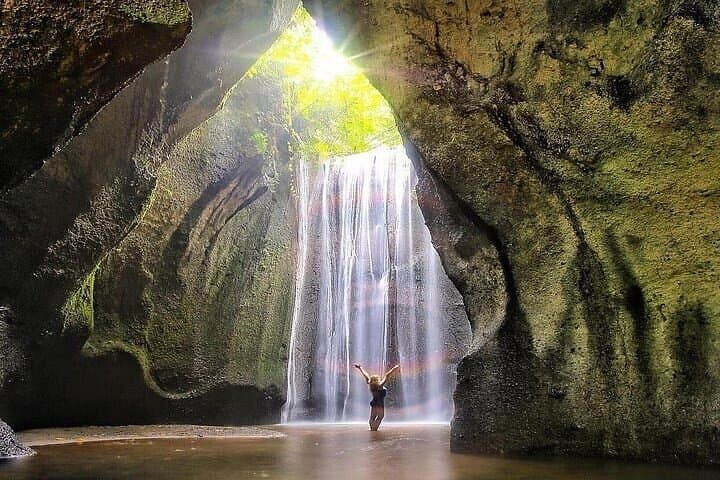
You step off the shaded lane and the canyon opens—light strips through a curtain of green as water threads its way into a narrow bowl. Walking through a shallow river toward Cepung Waterfall, the stones push back under your boots and the falls call you closer; the spray cools the air and the canyon feels alive.
You step off the shaded lane and the canyon opens—light strips through a curtain of green as water threads its way into a narrow bowl. Walking through a shallow river toward Cepung Waterfall, the stones push back under your boots and the falls call you closer; the spray cools the air and the canyon feels alive.
This single-day loop threads East Bali’s natural and cultural highlights. Cepung sits in Bangli regency, hidden by a limestone gorge that channels clear water into a palm-fingered amphitheater. Nearby Penglipuran Village preserves a traditional Balinese compound layout—well-ordered yards, compact bamboo gates, and rituals tied to agrarian life. Higher on the island, Kintamani looks across a volcanic caldera to Mount Batur and its lake; Batur is an active volcano (1,717 m) that shaped the surrounding black-lava soils and the island’s dramatic ridgelines. Tegallalang’s rice terraces reveal centuries of subak irrigation engineering and offer immediate photographic payoff.
Expect light walking and brief river crossings at Cepung (bring towel and quick-dry clothes). The day is 6–8 hours with minimal continuous elevation gain, though Kintamani sits at highland altitude—air feels cooler and views broaden. Cultural respect matters: dress modestly in villages, remove shoes at temple thresholds, and ask before photographing people. Hydrate in the heat, wear grippy shoes for wet rocks, and plan the visit in the dry season (April–October) for safer river crossings and clearer volcano views. This is an accessible day that mixes easy adventure, geology, and living culture—an efficient way to read Bali’s landscapes and communities in a single, memorable day.