THE ADVENTURE COLLECTIVE® · Independent discovery and booking for outdoor travel

Experience Bali’s cultural highlights and volcanic panoramas in one accessible day: Barong dance, artisan villages, the Elephant Cave, a Mount Batur lunch and Tegalalang rice terraces. This guided circuit pairs short walks with big views and local insights.
Experience Bali’s cultural highlights and volcanic panoramas in one accessible day: Barong dance, artisan villages, the Elephant Cave, a Mount Batur lunch and Tegalalang rice terraces. This guided circuit pairs short walks with big views and local insights.
Stepping off the air-conditioned van in Batu Bulan, the day opens with a burst of color and rhythm: dancers in ornate masks enact the Barong and Kris story as incense curls through the morning air. From there the tour threads through the island’s craft lanes, temple stonework and volcanic panoramas, moving at a steady, accessible pace that balances performance, history and landscape.
Verified experiences and guided adventures in the surrounding area.
Operated by Destination Services Indonesia · Ubud, Bali
Stepping off the air-conditioned van in Batu Bulan, the day opens with a burst of color and rhythm: dancers in ornate masks enact the Barong and Kris story as incense curls through the morning air. From there the tour threads through the island’s craft lanes, temple stonework and volcanic panoramas, moving at a steady, accessible pace that balances performance, history and landscape.
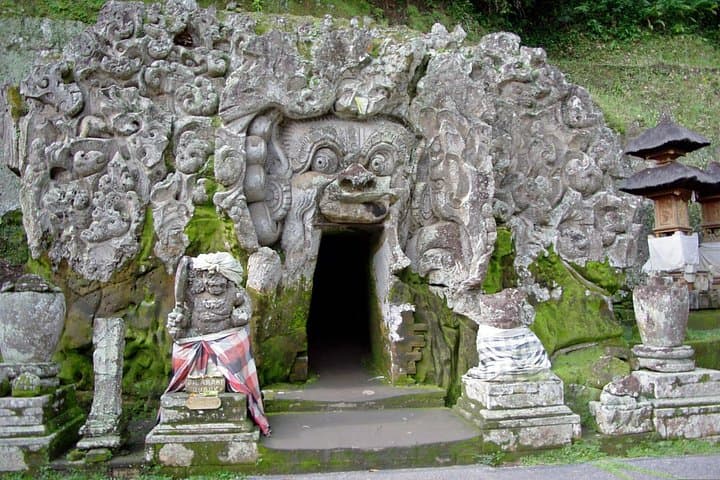
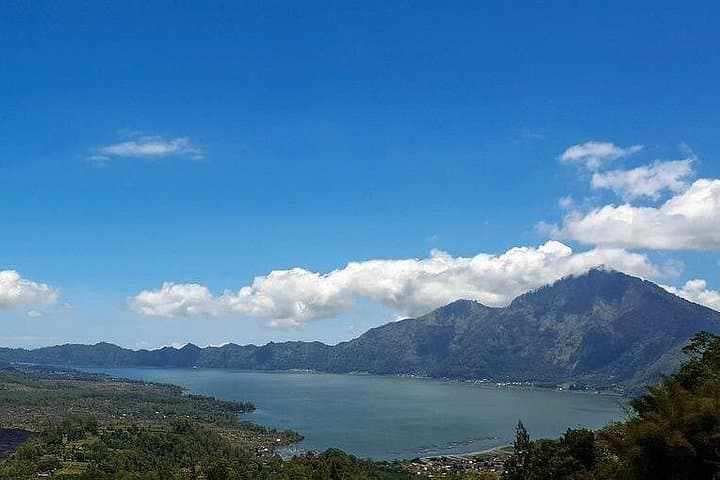
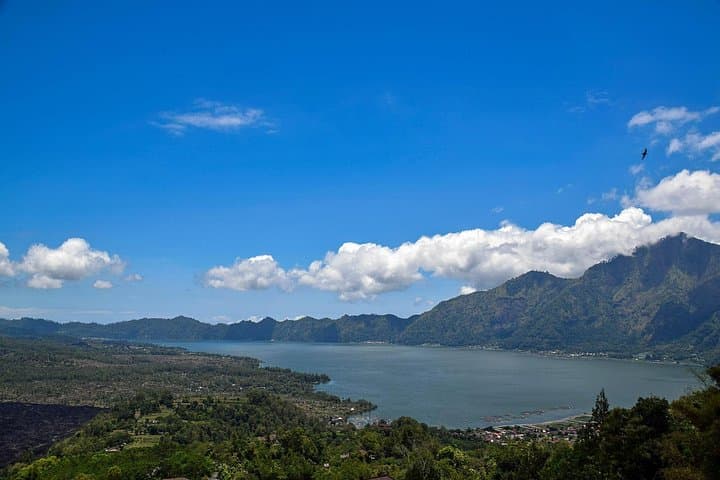
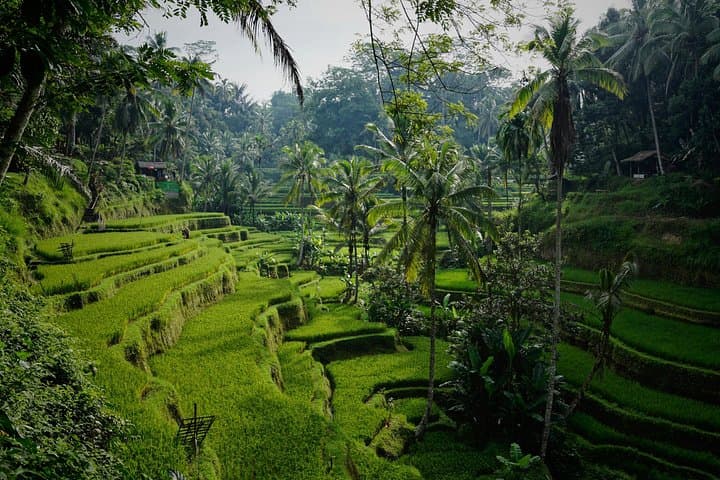
Goa Gajah (Elephant Cave) reveals carved entryways and bathing pools dating to the 11th century, while Celuk and Mas showcase generations of goldsmithing and woodcarving — living crafts that feed Ubud’s artistic reputation. Geologically, the route frames Mount Batur’s volcanic caldera; Kintamani’s overlook gives a practical close-up of recent lava flows and the fertile soils that sustain the Subak rice-irrigation system visible in Tegalalang’s terraces.
Culturally the day is an introduction: Hindu ritual and performative myth, artisan economies, and rice-farming traditions shaped by water-management rights. Travelers should respect temple dress codes and local ceremonies; guides help navigate offerings and photography etiquette.
Practical notes: the shared itinerary runs about eight hours, includes entrance fees, bottled water and lunch with a view of Mount Batur, and relies on hotel pickup (minimum two people). Terrain is light — short walks, steps and paved village lanes — so comfortable, slip-resistant shoes and sun protection are essential. Expect short stops at multiple sites (20–60 minutes each); bring a light rain layer in the wet months and a small daypack for camera, water and temple scarf.
easy.
8 hours.
Suitable for most fitness levels; involves short walks, steps and standing during performances
Yes; the tour includes entrance fees to listed sites and a set lunch in Kintamani, plus bottled water.
Yes—pickup from area hotels is included, and the booking requires a pickup point on reservation.
No; the operator lists this tour as not recommended for pregnant travelers or those with spinal or serious cardiovascular conditions.
A minimum of two people per booking is required to operate the shared tour.
Goa Gajah dates to around the 11th century and Ubud’s Subak irrigation reflects a centuries-old cooperative water-management system integral to Balinese Hindu culture.
Tegalalang terraces are sensitive to erosion and trampling—stick to designated paths and support local artisans directly to keep cultural landscapes viable.
Destination Services Indonesia operates guided outdoor trips and adventures with an emphasis on safety, stewardship, and memorable experiences.
Stepping off the air-conditioned van in Batu Bulan, the day opens with a burst of color and rhythm: dancers in ornate masks enact the Barong and Kris story as incense curls through the morning air. From there the tour threads through the island’s craft lanes, temple stonework and volcanic panoramas, moving at a steady, accessible pace that balances performance, history and landscape.
Stepping off the air-conditioned van in Batu Bulan, the day opens with a burst of color and rhythm: dancers in ornate masks enact the Barong and Kris story as incense curls through the morning air. From there the tour threads through the island’s craft lanes, temple stonework and volcanic panoramas, moving at a steady, accessible pace that balances performance, history and landscape.
Goa Gajah (Elephant Cave) reveals carved entryways and bathing pools dating to the 11th century, while Celuk and Mas showcase generations of goldsmithing and woodcarving — living crafts that feed Ubud’s artistic reputation. Geologically, the route frames Mount Batur’s volcanic caldera; Kintamani’s overlook gives a practical close-up of recent lava flows and the fertile soils that sustain the Subak rice-irrigation system visible in Tegalalang’s terraces.
Culturally the day is an introduction: Hindu ritual and performative myth, artisan economies, and rice-farming traditions shaped by water-management rights. Travelers should respect temple dress codes and local ceremonies; guides help navigate offerings and photography etiquette.
Practical notes: the shared itinerary runs about eight hours, includes entrance fees, bottled water and lunch with a view of Mount Batur, and relies on hotel pickup (minimum two people). Terrain is light — short walks, steps and paved village lanes — so comfortable, slip-resistant shoes and sun protection are essential. Expect short stops at multiple sites (20–60 minutes each); bring a light rain layer in the wet months and a small daypack for camera, water and temple scarf.