THE ADVENTURE COLLECTIVE® · Independent discovery and booking for outdoor travel

A single-day limousine tour from Hanoi that pairs spiritual scale with karst drama: Bai Dinh’s vast pagoda complex, a boat crawl through Trang An’s cave channels, and a steep stair climb to Mua Cave for sweeping valley views. Expect a long, varied day—easy access by coach but a rewarding mix of culture and landscape.
A single-day limousine tour from Hanoi that pairs spiritual scale with karst drama: Bai Dinh’s vast pagoda complex, a boat crawl through Trang An’s cave channels, and a steep stair climb to Mua Cave for sweeping valley views. Expect a long, varied day—easy access by coach but a rewarding mix of culture and landscape.
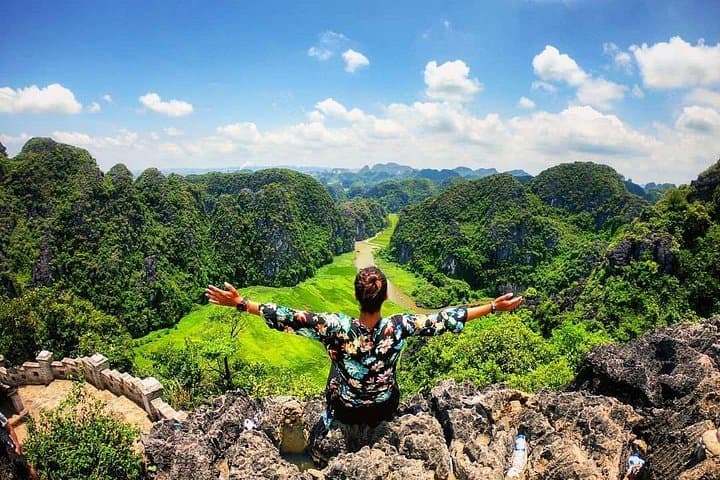
You step out of the limousine into a wide lowland where limestone towers pierce morning mist and a slow river threads between rice paddies. The day moves with a careful rhythm: a short pilgrimage through Bai Dinh’s monumental courtyards, a flatwater boat slipping through cool cave mouths at Trang An, and a breath-stealing climb to Mua Cave’s ridge that suddenly opens to the Tam Coc plain.
Verified experiences and guided adventures in the surrounding area.
Operated by Old Quarter Travel · Ninh Binh, Ninh Binh Province
You step out of the limousine into a wide lowland where limestone towers pierce morning mist and a slow river threads between rice paddies. The day moves with a careful rhythm: a short pilgrimage through Bai Dinh’s monumental courtyards, a flatwater boat slipping through cool cave mouths at Trang An, and a breath-stealing climb to Mua Cave’s ridge that suddenly opens to the Tam Coc plain.
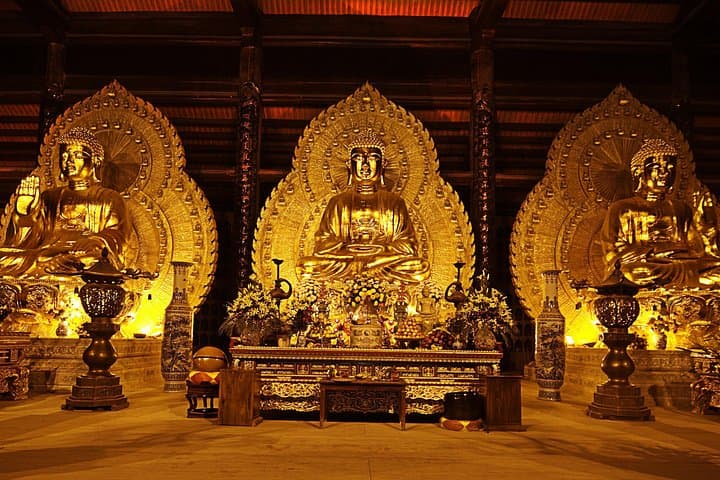
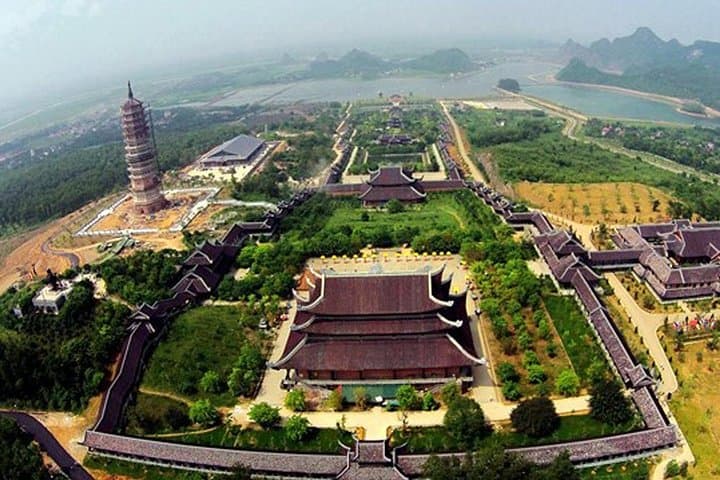
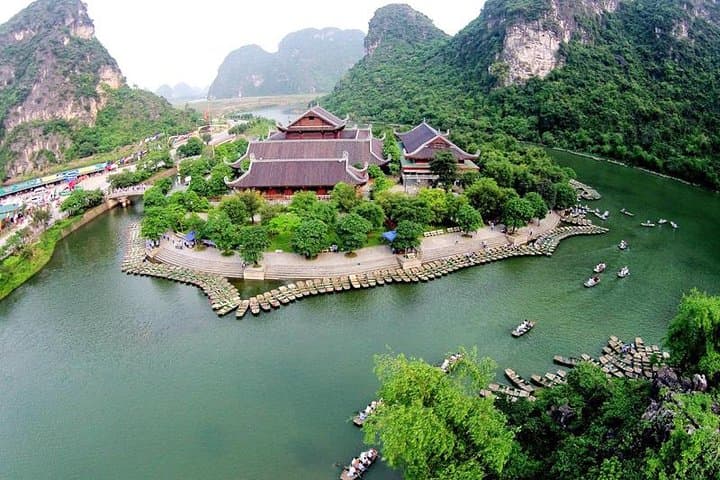
Bai Dinh is Southeast Asia’s largest Buddhist complex, noted for its hundreds of stone arhat statues, a massive bronze bell and a giant seated Buddha that signal the region’s religious resurgence. The karst landscape here dates to ancient uplift and river incision; cave passages at Trang An were carved by channels that still guide low-slung boats through dim tunnels and sunlit pools. Local culture is tied to rice farming and river transport — boatmen steer with practiced, economical strokes while seasonal festivals gather at temple steps.
Practical guidance: expect a long but accessible day—about 11–12 hours total including roughly 2–2.5 hours’ drive each way from Hanoi (≈90–100 km). The Trang An boat portion lasts around 1.5–2 hours on calm water; the Mua Cave ascent is almost 500 steps on exposed stone stairs with intermittent handrails. Terrain varies from paved temple courtyards to flat river channels to steep staircases. Bring sun protection, comfortable shoes with grip, a light rain layer in wet months, and modest clothing for temple areas. Pace yourself on the ascent and allow time to enjoy panoramic views over winding rivers and patchwork fields.
moderate.
11–12 hours.
Moderate fitness recommended: able to sit through coach transfers, walk on uneven ground, and climb several hundred stairs.
The limousine trip is typically about 2–2.5 hours each way (roughly 90–100 km), depending on traffic and pick-up points in the Old Quarter.
The climb involves almost 500 steps and some steep sections; children and older visitors should assess mobility and take frequent breaks—those with limited mobility may find the ascent challenging.
This tour includes admissions and the Trang An boat ride as listed in the itinerary; confirm specifics with the operator when booking.
Dress modestly: shoulders and knees covered, remove hats inside main halls, and choose footwear that’s easy to remove if required for certain temple areas.
The area’s temples and pagodas reflect centuries of Vietnamese Buddhism and recent large-scale restorations; Trang An’s caves also preserve evidence of long-standing river routes used for local transport and ritual.
Trang An is a UNESCO World Heritage Site; visitors are asked to respect waterways and avoid littering—local operators follow rules to limit noise and preserve fragile karst and wetland habitats.
Old Quarter Travel operates guided outdoor trips and adventures with an emphasis on safety, stewardship, and memorable experiences.
You step out of the limousine into a wide lowland where limestone towers pierce morning mist and a slow river threads between rice paddies. The day moves with a careful rhythm: a short pilgrimage through Bai Dinh’s monumental courtyards, a flatwater boat slipping through cool cave mouths at Trang An, and a breath-stealing climb to Mua Cave’s ridge that suddenly opens to the Tam Coc plain.
You step out of the limousine into a wide lowland where limestone towers pierce morning mist and a slow river threads between rice paddies. The day moves with a careful rhythm: a short pilgrimage through Bai Dinh’s monumental courtyards, a flatwater boat slipping through cool cave mouths at Trang An, and a breath-stealing climb to Mua Cave’s ridge that suddenly opens to the Tam Coc plain.
Bai Dinh is Southeast Asia’s largest Buddhist complex, noted for its hundreds of stone arhat statues, a massive bronze bell and a giant seated Buddha that signal the region’s religious resurgence. The karst landscape here dates to ancient uplift and river incision; cave passages at Trang An were carved by channels that still guide low-slung boats through dim tunnels and sunlit pools. Local culture is tied to rice farming and river transport — boatmen steer with practiced, economical strokes while seasonal festivals gather at temple steps.
Practical guidance: expect a long but accessible day—about 11–12 hours total including roughly 2–2.5 hours’ drive each way from Hanoi (≈90–100 km). The Trang An boat portion lasts around 1.5–2 hours on calm water; the Mua Cave ascent is almost 500 steps on exposed stone stairs with intermittent handrails. Terrain varies from paved temple courtyards to flat river channels to steep staircases. Bring sun protection, comfortable shoes with grip, a light rain layer in wet months, and modest clothing for temple areas. Pace yourself on the ascent and allow time to enjoy panoramic views over winding rivers and patchwork fields.