THE ADVENTURE COLLECTIVE® · Independent discovery and booking for outdoor travel

Cross the Cordillera to Nevado Ausangate and spend a long day visiting seven high-altitude lagoons, a traditional Andean village, and optional hot springs in Pacchanta. Expect strong sun, thin air, and vivid glacial-blue waters.
Cross the Cordillera to Nevado Ausangate and spend a long day visiting seven high-altitude lagoons, a traditional Andean village, and optional hot springs in Pacchanta. Expect strong sun, thin air, and vivid glacial-blue waters.
A thin, cold light grazes the ridgelines as the minivan snakes away from Cusco toward the high puna. By the time the Andes open up you feel the mountains watching—Ausangate’s glacier-polished flank dominates the horizon, and seven lakes appear like scattered mirrors, each a different blue or green against wind-scoured moraine.
Verified experiences and guided adventures in the surrounding area.
Operated by Viagens Machu Picchu · Cusco, Cusco Region
A thin, cold light grazes the ridgelines as the minivan snakes away from Cusco toward the high puna. By the time the Andes open up you feel the mountains watching—Ausangate’s glacier-polished flank dominates the horizon, and seven lakes appear like scattered mirrors, each a different blue or green against wind-scoured moraine.
The route follows ancient caravan paths used by Quechua communities and llama trains; Ausangate itself is an Apu, a sacred mountain in local cosmology. Geologically, the basin is sculpted by glacial action and volcanic sediments, producing the mineral-rich waters that give each lagoon its distinct hue.
Culturally, villages such as Pacchanta are small living museums: stone corrals, textiles dyed with high-altitude plants, and hot springs where locals have bathed for generations. The day’s rhythm is straightforward—early departure from Cusco, breakfast in Pacchanta, a 3–4 hour circuit to view Pucacocha, Patococha, Alcacocha, Comercocha, Orco Otorongo, China Otorongo and Azul Cocha, then return and optional hot springs.
Practically, expect thin air, strong sun, and uneven puna trails—walking is interspersed with vehicle transfers. Hydrate before you go, hike at a steady pace, and allow extra time for photography and short rests. Footwear with good traction and an insulating layer are essential. The hot springs at Pacchanta are a welcome cooldown, but they’re optional and rustic.
This is a day for high-altitude acclimatization, steady breathing, and the kind of wide, crystalline views that reward effort and respect for the mountain.
challenging.
9–12 hours.
Good cardiovascular fitness and prior acclimatization to 3,500–4,500m; expect sustained walking at altitude.
The lagoons sit around 4,500m; altitude effects are common—headache, fatigue and shortness of breath; acclimatize in Cusco, hydrate, and move slowly.
This is a guided, non-technical day tour with walking between viewpoints; no climbing skills required but surfaces are uneven and steep in spots.
Yes—there’s an optional, rustic hot spring in Pacchanta; bring swimwear and a towel and remember facilities are basic.
Breakfast and lunch are included; the tour operator generally accommodates common dietary needs if notified at booking.
Ausangate has been revered as an Apu by Quechua communities for centuries; pilgrimage circuits still thread the high passes in annual rituals.
The puna is environmentally fragile—stay on established paths, pack out waste, and respect grazing areas to minimize impact.
Viagens Machu Picchu operates guided outdoor trips and adventures with an emphasis on safety, stewardship, and memorable experiences.
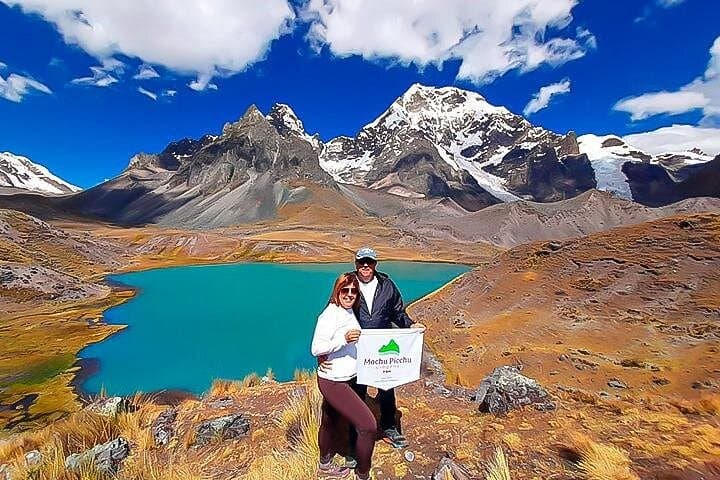
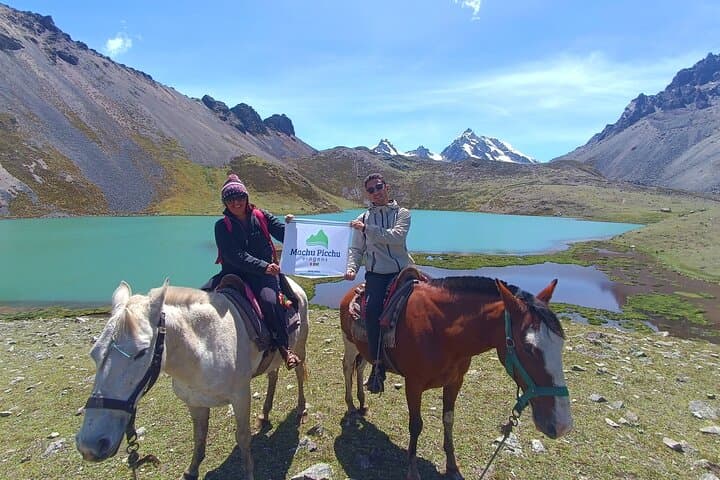
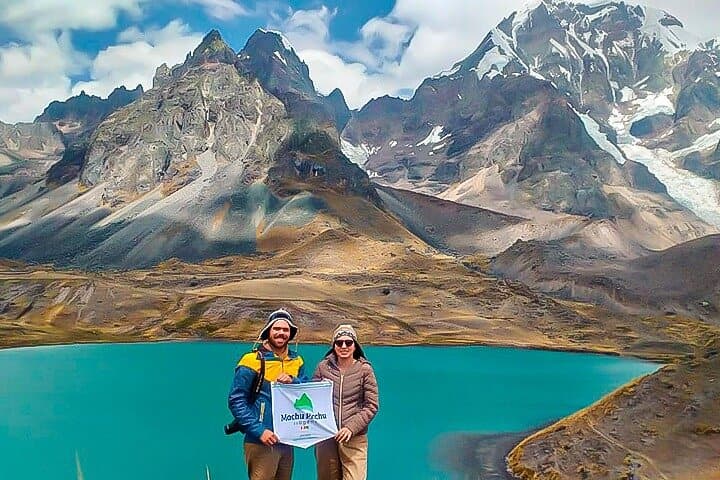
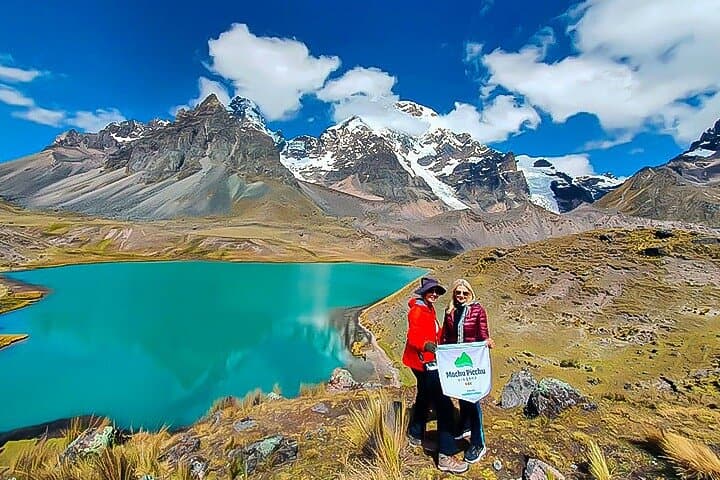
A thin, cold light grazes the ridgelines as the minivan snakes away from Cusco toward the high puna. By the time the Andes open up you feel the mountains watching—Ausangate’s glacier-polished flank dominates the horizon, and seven lakes appear like scattered mirrors, each a different blue or green against wind-scoured moraine.
A thin, cold light grazes the ridgelines as the minivan snakes away from Cusco toward the high puna. By the time the Andes open up you feel the mountains watching—Ausangate’s glacier-polished flank dominates the horizon, and seven lakes appear like scattered mirrors, each a different blue or green against wind-scoured moraine.
The route follows ancient caravan paths used by Quechua communities and llama trains; Ausangate itself is an Apu, a sacred mountain in local cosmology. Geologically, the basin is sculpted by glacial action and volcanic sediments, producing the mineral-rich waters that give each lagoon its distinct hue.
Culturally, villages such as Pacchanta are small living museums: stone corrals, textiles dyed with high-altitude plants, and hot springs where locals have bathed for generations. The day’s rhythm is straightforward—early departure from Cusco, breakfast in Pacchanta, a 3–4 hour circuit to view Pucacocha, Patococha, Alcacocha, Comercocha, Orco Otorongo, China Otorongo and Azul Cocha, then return and optional hot springs.
Practically, expect thin air, strong sun, and uneven puna trails—walking is interspersed with vehicle transfers. Hydrate before you go, hike at a steady pace, and allow extra time for photography and short rests. Footwear with good traction and an insulating layer are essential. The hot springs at Pacchanta are a welcome cooldown, but they’re optional and rustic.
This is a day for high-altitude acclimatization, steady breathing, and the kind of wide, crystalline views that reward effort and respect for the mountain.