THE ADVENTURE COLLECTIVE® · Independent discovery and booking for outdoor travel

A long, high-altitude day hike around the foot of Ausangate visiting seven glacial lakes and ending with optional therapeutic baths in Pacchanta. Expect rocky terrain, strong sun, and dramatic Andean scenery — plan for altitude and variable weather.
A long, high-altitude day hike around the foot of Ausangate visiting seven glacial lakes and ending with optional therapeutic baths in Pacchanta. Expect rocky terrain, strong sun, and dramatic Andean scenery — plan for altitude and variable weather.
Dawn breaks on a rough mountain road and the silhouette of Ausangate rises like a cold, patient giant — snowfields and cirques catching the first light. You start before sunrise from Cusco, roll through high puna and small adobe communities, then step out near Pacchanta where a long day of walking opens onto a string of glacial lakes: vivid blues, turbid greens and wind-rippled surfaces that reflect serrated peaks.
Verified experiences and guided adventures in the surrounding area.
Operated by Aremika Travel · Ocongate, Cusco
Dawn breaks on a rough mountain road and the silhouette of Ausangate rises like a cold, patient giant — snowfields and cirques catching the first light. You start before sunrise from Cusco, roll through high puna and small adobe communities, then step out near Pacchanta where a long day of walking opens onto a string of glacial lakes: vivid blues, turbid greens and wind-rippled surfaces that reflect serrated peaks.
The route threads moraine and puna grassland shaped by the Andean ice age. Ausangate is one of the region’s sacred apus — its slopes have guided local pastoralists for generations — and the lakes sit in basins carved by glaciers and fed by seasonal snowmelt.
Culturally, the area is still shepherd country: llamas and alpacas graze in cords, and communities like Pacchanta maintain traditional weaving and medicinal-plant knowledge. Geologically, expect coarse gravel, compacted moraine, and occasional boggy patches where water seeks slow routes downslope.
Practically: this is a long, high-altitude day (expect 4–5 hours of hiking over rocky, uneven terrain at elevations often above 4,200 m). Carry layered insulation, sun protection and plenty of water; hypoxia is the primary challenge here rather than technical difficulty. The payoff includes lakes framed by glaciers and an optional soak in the Pacchanta hot springs to ease tired legs before the drive back to Cusco.
Timing-wise, start early, pace yourself, and plan for variable weather — intense sun can flip to sleet in an hour. Respect local pastureland and stay on durable surfaces to protect fragile puna vegetation.
challenging.
10–14 hours.
Good aerobic fitness and prior high-altitude experience recommended; be able to hike several hours with sustained uphill sections.
The terrain is non-technical but the elevation makes it physically demanding; expect several hours of walking at elevations above 4,000 m.
Yes — most tours include or offer an optional soak in Pacchanta’s thermal baths after the hike.
No technical skills are required, but prior day-hike experience and good cardiovascular fitness are recommended.
Acclimatize in Cusco for 48–72 hours if possible, ascend slowly, stay hydrated, and inform guides immediately if symptoms worsen; tours carry basic first aid and oxygen options.
Ausangate is regarded as an Apu (sacred mountain) by Quechua communities; the lakes and passes have long been part of pastoral circuits and ritual routes.
The puna ecosystem is fragile—stick to hardened trails, avoid trampling wet bogs, and carry out all waste; thermal pools should be used respectfully to protect local water sources.
Aremika Travel operates guided outdoor trips and adventures with an emphasis on safety, stewardship, and memorable experiences.
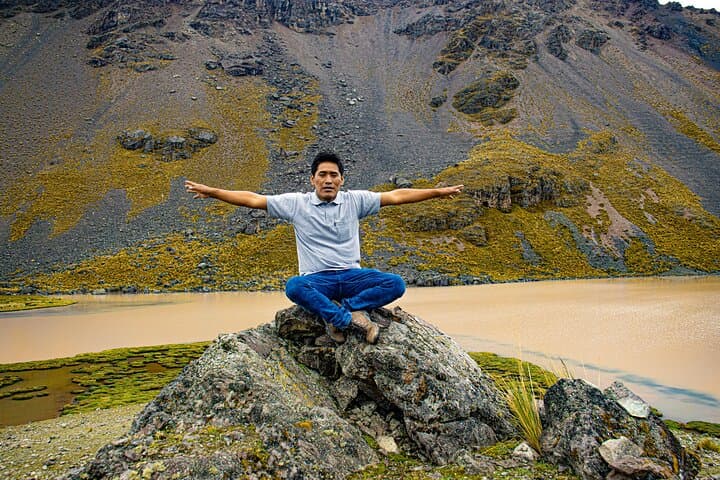
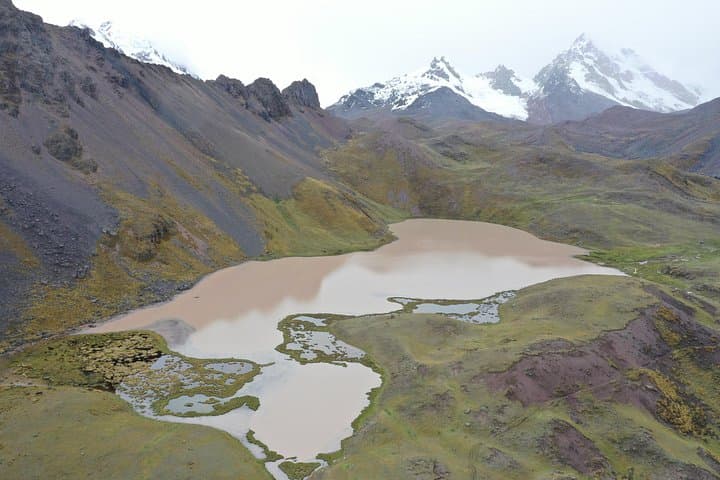
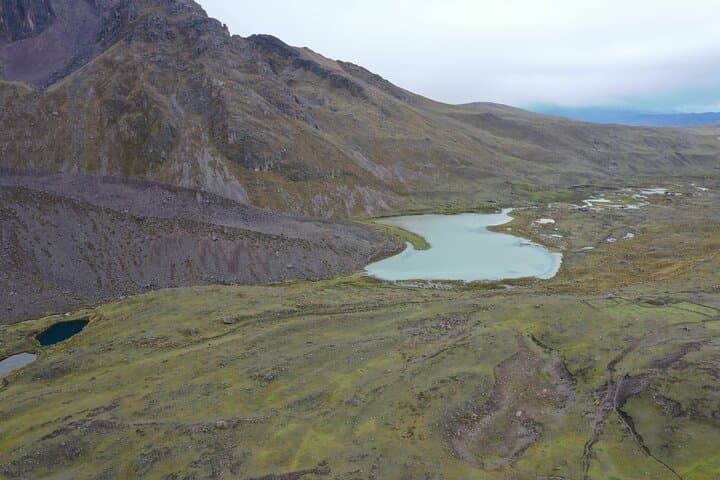
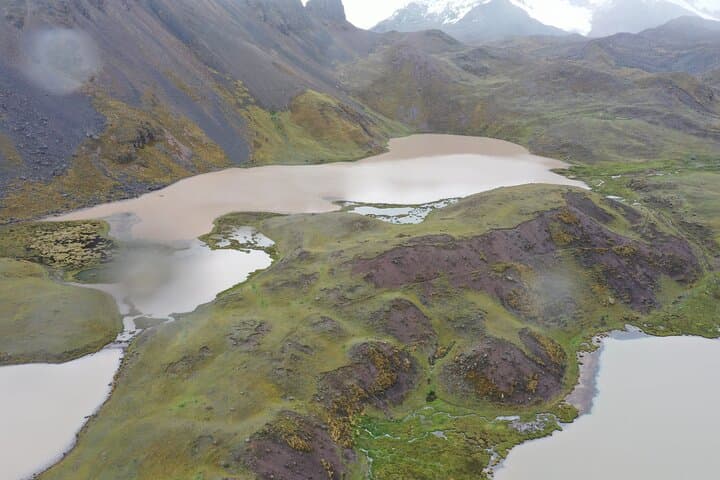
Dawn breaks on a rough mountain road and the silhouette of Ausangate rises like a cold, patient giant — snowfields and cirques catching the first light. You start before sunrise from Cusco, roll through high puna and small adobe communities, then step out near Pacchanta where a long day of walking opens onto a string of glacial lakes: vivid blues, turbid greens and wind-rippled surfaces that reflect serrated peaks.
Dawn breaks on a rough mountain road and the silhouette of Ausangate rises like a cold, patient giant — snowfields and cirques catching the first light. You start before sunrise from Cusco, roll through high puna and small adobe communities, then step out near Pacchanta where a long day of walking opens onto a string of glacial lakes: vivid blues, turbid greens and wind-rippled surfaces that reflect serrated peaks.
The route threads moraine and puna grassland shaped by the Andean ice age. Ausangate is one of the region’s sacred apus — its slopes have guided local pastoralists for generations — and the lakes sit in basins carved by glaciers and fed by seasonal snowmelt.
Culturally, the area is still shepherd country: llamas and alpacas graze in cords, and communities like Pacchanta maintain traditional weaving and medicinal-plant knowledge. Geologically, expect coarse gravel, compacted moraine, and occasional boggy patches where water seeks slow routes downslope.
Practically: this is a long, high-altitude day (expect 4–5 hours of hiking over rocky, uneven terrain at elevations often above 4,200 m). Carry layered insulation, sun protection and plenty of water; hypoxia is the primary challenge here rather than technical difficulty. The payoff includes lakes framed by glaciers and an optional soak in the Pacchanta hot springs to ease tired legs before the drive back to Cusco.
Timing-wise, start early, pace yourself, and plan for variable weather — intense sun can flip to sleet in an hour. Respect local pastureland and stay on durable surfaces to protect fragile puna vegetation.