THE ADVENTURE COLLECTIVE® · Independent discovery and booking for outdoor travel

Spend a day leaving Marrakech behind to hike the High Atlas, meet Berber families, and eat a home-cooked tagine in a mountain gîte. This full-day trek mixes easy mountain hiking with cultural visits and a local lunch.
Spend a day leaving Marrakech behind to hike the High Atlas, meet Berber families, and eat a home-cooked tagine in a mountain gîte. This full-day trek mixes easy mountain hiking with cultural visits and a local lunch.
You step out of the air-conditioned van and smell mint tea and wood smoke — wind across the Atlas slopes pushing loose stones underfoot as terraced fields crouch along the gullies. Villagers wave from flat-roofed houses; behind them the ridgeline rises in stepped layers of red earth and shale, daring you to move higher.
Verified experiences and guided adventures in the surrounding area.
Operated by Morocco unlimited adventures · Marrakech, Marrakesh-Safi
You step out of the air-conditioned van and smell mint tea and wood smoke — wind across the Atlas slopes pushing loose stones underfoot as terraced fields crouch along the gullies. Villagers wave from flat-roofed houses; behind them the ridgeline rises in stepped layers of red earth and shale, daring you to move higher.
The High Atlas is geologically young, formed by the collision of the African and Eurasian plates; underfoot you'll find folded sedimentary rock and scree fields shaped by seasonal torrents. The region has been home to Berber (Amazigh) communities for millennia, and local guesthouses (gîtes) keep food traditions alive: tagine, couscous, and mint tea served family-style.
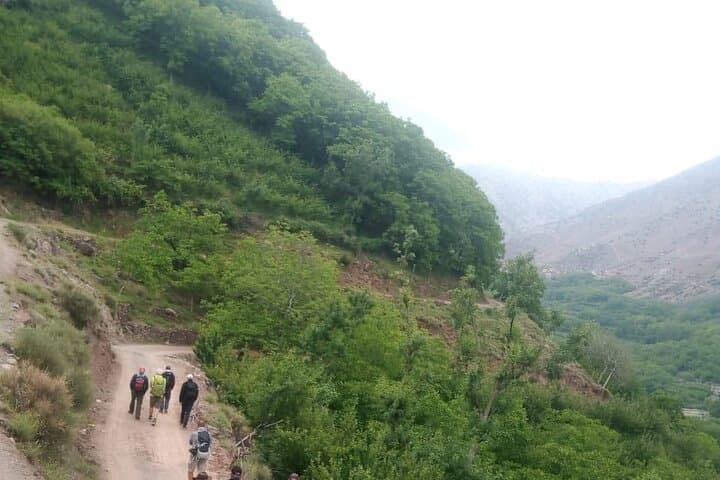
On a typical full-day trek from Marrakech you'll hike 2–3 hours on varied terrain — dirt tracks, rocky switchbacks and cultivated terraces — meet local shepherds and stop for a home-cooked lunch in a Berber house. Guides will translate and arrange dietary needs if told in advance. Expect dry air at midday, quicker temperature swings toward late afternoon, and the chance to see Barbary macaques or raptors riding thermals.
Practical notes: wear broken-in trail shoes, bring 1–2 liters of water, and layer for sun and cool mountain breezes. The route is non-technical but uneven; stick to your guide’s pace, respect private property, and carry small bills for tea or tips. Timing your visit in spring or fall gives milder temps and better wildflower displays; winter brings snow higher up and summer can be hot lower down.
moderate.
7–8 hours.
Moderate; able to walk 2–3 hours on uneven ground and handle short elevation changes.
No technical experience is required; the trek is suitable for reasonably fit people who can walk 2–3 hours on uneven paths.
Yes — operators can prepare vegetarian or vegan meals if you notify them at booking or before the trek.
Most tours include round-trip pickup from Marrakech hotels or a central meeting point; confirm your pickup location when booking.
Standard policy allows a full refund if canceled at least 24 hours before departure; check your booking confirmation for specifics.
Berber communities have farmed and shepherded the High Atlas for centuries; village architecture and food reflect long-standing mountain traditions.
Tourism supports local livelihoods but increases pressure on water and trails — stick to paths, pack out waste, and favor family-run gîtes to keep benefits local.
Morocco unlimited adventures operates guided outdoor trips and adventures with an emphasis on safety, stewardship, and memorable experiences.
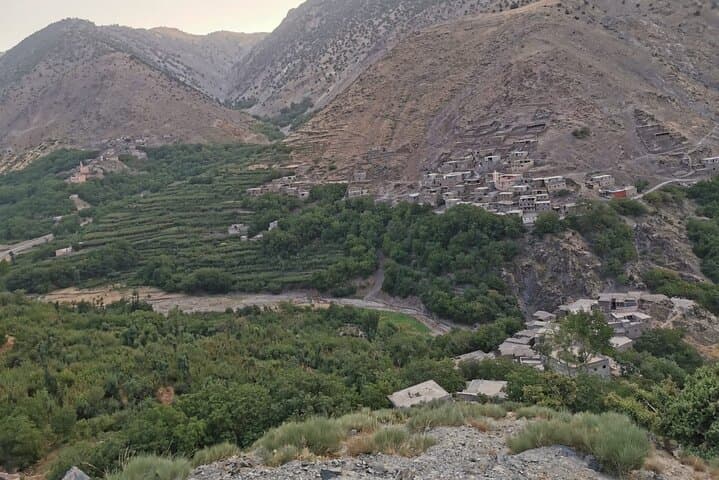
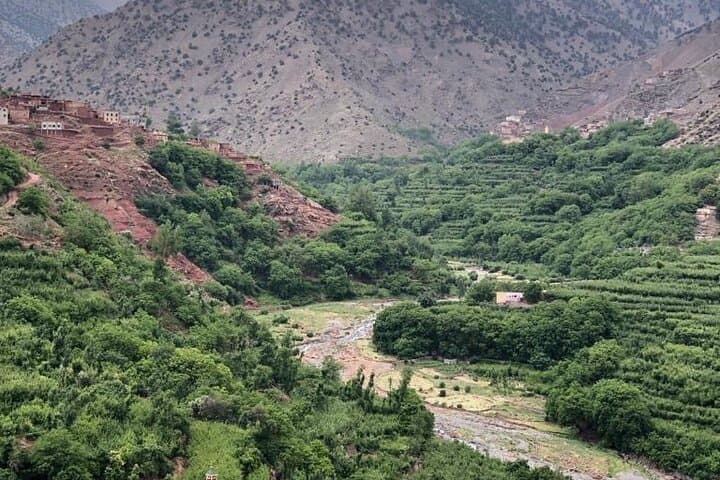
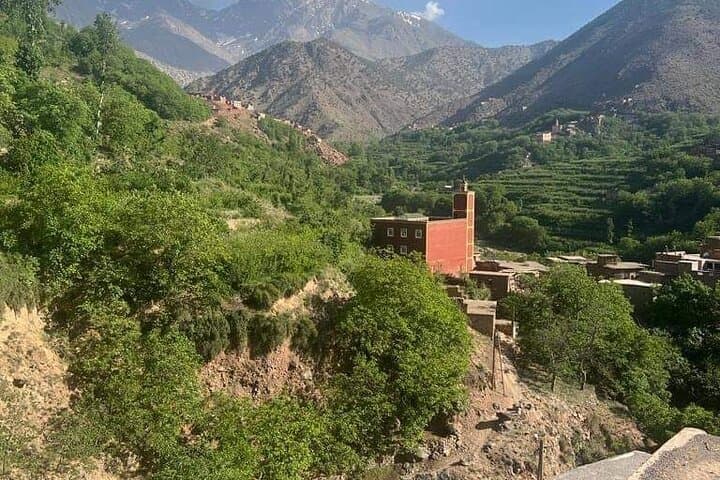
You step out of the air-conditioned van and smell mint tea and wood smoke — wind across the Atlas slopes pushing loose stones underfoot as terraced fields crouch along the gullies. Villagers wave from flat-roofed houses; behind them the ridgeline rises in stepped layers of red earth and shale, daring you to move higher.
You step out of the air-conditioned van and smell mint tea and wood smoke — wind across the Atlas slopes pushing loose stones underfoot as terraced fields crouch along the gullies. Villagers wave from flat-roofed houses; behind them the ridgeline rises in stepped layers of red earth and shale, daring you to move higher.
The High Atlas is geologically young, formed by the collision of the African and Eurasian plates; underfoot you'll find folded sedimentary rock and scree fields shaped by seasonal torrents. The region has been home to Berber (Amazigh) communities for millennia, and local guesthouses (gîtes) keep food traditions alive: tagine, couscous, and mint tea served family-style.
On a typical full-day trek from Marrakech you'll hike 2–3 hours on varied terrain — dirt tracks, rocky switchbacks and cultivated terraces — meet local shepherds and stop for a home-cooked lunch in a Berber house. Guides will translate and arrange dietary needs if told in advance. Expect dry air at midday, quicker temperature swings toward late afternoon, and the chance to see Barbary macaques or raptors riding thermals.
Practical notes: wear broken-in trail shoes, bring 1–2 liters of water, and layer for sun and cool mountain breezes. The route is non-technical but uneven; stick to your guide’s pace, respect private property, and carry small bills for tea or tips. Timing your visit in spring or fall gives milder temps and better wildflower displays; winter brings snow higher up and summer can be hot lower down.