THE ADVENTURE COLLECTIVE® · Independent discovery and booking for outdoor travel

Spend a full day away from Marrakech exploring Lalla Takerkoust and the valleys of the High Atlas. This accessible cultural and landscape tour pairs short walks with scenic drives and a visit to a Berber home for mint tea.
Spend a full day away from Marrakech exploring Lalla Takerkoust and the valleys of the High Atlas. This accessible cultural and landscape tour pairs short walks with scenic drives and a visit to a Berber home for mint tea.
You leave Marrakech before dawn and the road unfurls: olive groves give way to cork oaks, then terracotta ridges that climb into the High Atlas. Lalla Takerkoust appears like a slate mirror, the dammed reservoir pushing a cool edge against the warming plains. Villages of clay and flat roofs sit on terraces above the road, and the first cups of mint tea are offered with a frank hospitality that feels practiced and immediate.
Verified experiences and guided adventures in the surrounding area.
Operated by Arij Travels · Marrakech, Marrakech-Safi
You leave Marrakech before dawn and the road unfurls: olive groves give way to cork oaks, then terracotta ridges that climb into the High Atlas. Lalla Takerkoust appears like a slate mirror, the dammed reservoir pushing a cool edge against the warming plains. Villages of clay and flat roofs sit on terraces above the road, and the first cups of mint tea are offered with a frank hospitality that feels practiced and immediate.
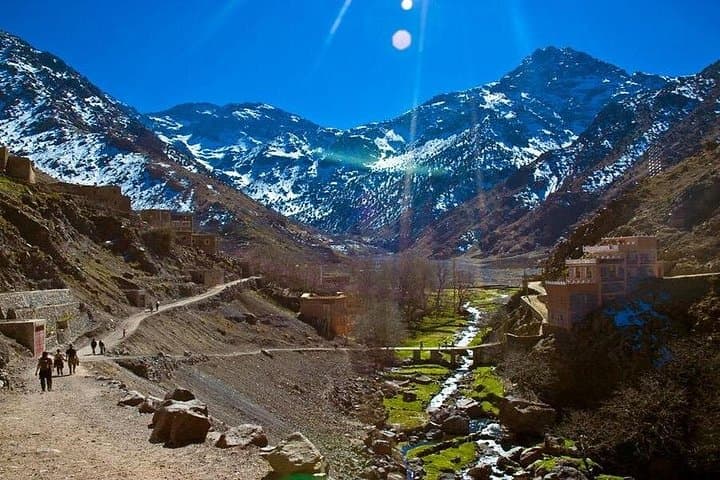
Geologically, the High Atlas are young mountains carved by the collision of the African and Eurasian plates; the result is steep ridges, deep valleys, and a mosaic of alluvial fans at their feet. Culturally, the area is heartland Berber: you’ll spot woven rugs, earthen kasbahs, and stone terraces that trace centuries of local farming practice.
Expect a day balanced between short walks and scenic driving. Stops usually include shoreline viewpoints at Lalla Takerkoust, photo breaks above valley floors, and a visit into a Berber home for mint tea and a simple lunch. Terrain underfoot is mostly gravel tracks and village lanes—easy walking but uneven in spots.
Practical tips: travel with layered clothing for sun-exposed lowlands and cooler passes, carry at least 1–1.5 liters of water, and bring cash for small purchases. If you’re sensitive to altitude, note that roads can climb toward 1,200–1,800 m on some routes. The day is accessible for most fitness levels; wear sturdy shoes for short village hikes and a light wind layer for late-afternoon breezes. Timing your visit spring-to-fall gives milder roads and more consistent village activity.
easy.
8–11 hours.
Suitable for most people with basic mobility; involves long periods in a vehicle with short easy walks.
This is a full-day excursion, typically 8–11 hours including transfers from Marrakech and multiple stops.
Yes—it's marketed as accessible for all fitness levels; walking is short and optional, though expect some vehicle time.
Yes—bring small amounts of Moroccan dirhams for tea, souvenirs, and incidental purchases in villages.
Lunch is included on most departures, and you’ll usually be invited into a Berber home for tea during the day.
The High Atlas region has been a Berber cultural zone for millennia; many villages retain traditional earthen architecture and agricultural terraces that date back centuries.
Water management at reservoirs like Lalla Takerkoust supports irrigation downstream; visitors should avoid littering and respect local grazing and farming areas.
Arij Travels operates guided outdoor trips and adventures with an emphasis on safety, stewardship, and memorable experiences.
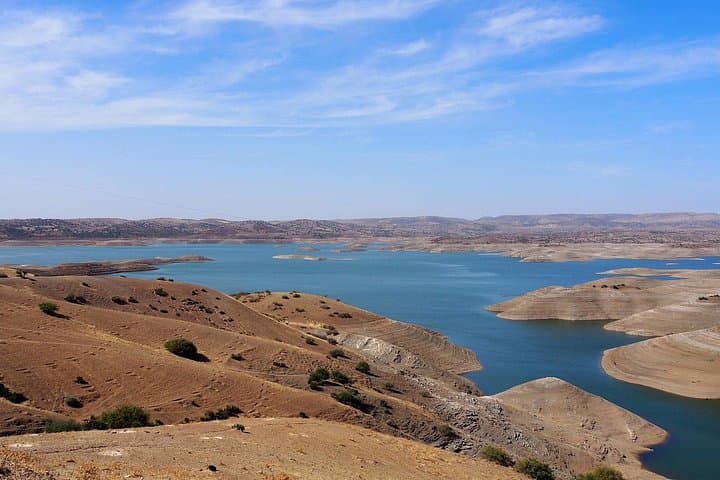
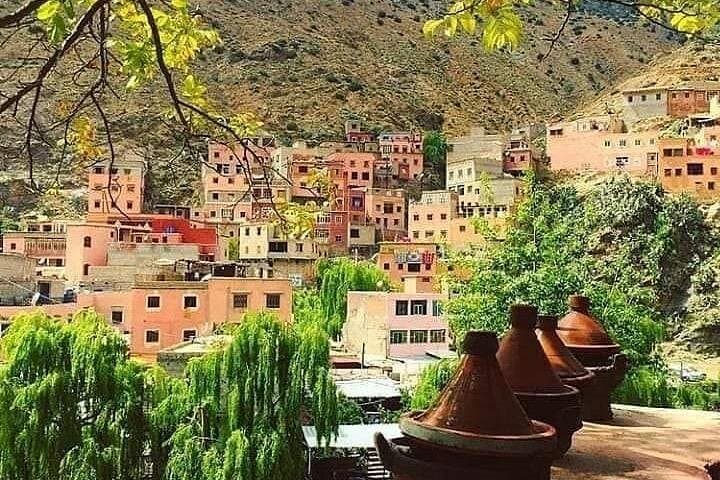
You leave Marrakech before dawn and the road unfurls: olive groves give way to cork oaks, then terracotta ridges that climb into the High Atlas. Lalla Takerkoust appears like a slate mirror, the dammed reservoir pushing a cool edge against the warming plains. Villages of clay and flat roofs sit on terraces above the road, and the first cups of mint tea are offered with a frank hospitality that feels practiced and immediate.
You leave Marrakech before dawn and the road unfurls: olive groves give way to cork oaks, then terracotta ridges that climb into the High Atlas. Lalla Takerkoust appears like a slate mirror, the dammed reservoir pushing a cool edge against the warming plains. Villages of clay and flat roofs sit on terraces above the road, and the first cups of mint tea are offered with a frank hospitality that feels practiced and immediate.
Geologically, the High Atlas are young mountains carved by the collision of the African and Eurasian plates; the result is steep ridges, deep valleys, and a mosaic of alluvial fans at their feet. Culturally, the area is heartland Berber: you’ll spot woven rugs, earthen kasbahs, and stone terraces that trace centuries of local farming practice.
Expect a day balanced between short walks and scenic driving. Stops usually include shoreline viewpoints at Lalla Takerkoust, photo breaks above valley floors, and a visit into a Berber home for mint tea and a simple lunch. Terrain underfoot is mostly gravel tracks and village lanes—easy walking but uneven in spots.
Practical tips: travel with layered clothing for sun-exposed lowlands and cooler passes, carry at least 1–1.5 liters of water, and bring cash for small purchases. If you’re sensitive to altitude, note that roads can climb toward 1,200–1,800 m on some routes. The day is accessible for most fitness levels; wear sturdy shoes for short village hikes and a light wind layer for late-afternoon breezes. Timing your visit spring-to-fall gives milder roads and more consistent village activity.