THE ADVENTURE COLLECTIVE® · Independent discovery and booking for outdoor travel

Drive from Marrakech into four distinct Atlas valleys, walk through Berber villages to a waterfall, visit an argan cooperative and enjoy a home-cooked rooftop lunch—an 8-hour introduction to High Atlas landscapes and culture.
Drive from Marrakech into four distinct Atlas valleys, walk through Berber villages to a waterfall, visit an argan cooperative and enjoy a home-cooked rooftop lunch—an 8-hour introduction to High Atlas landscapes and culture.
Morning light slides across the High Atlas as a small convoy leaves Marrakech, and the road climbs into a landscape that feels alive and direct—rock faces leaning into the sky, orchards clasping the valley floors, and villages of stone that watch the passersby.
Verified experiences and guided adventures in the surrounding area.
Operated by Morocco Treasure · Marrakech, Marrakesh-Safi
Morning light slides across the High Atlas as a small convoy leaves Marrakech, and the road climbs into a landscape that feels alive and direct—rock faces leaning into the sky, orchards clasping the valley floors, and villages of stone that watch the passersby.
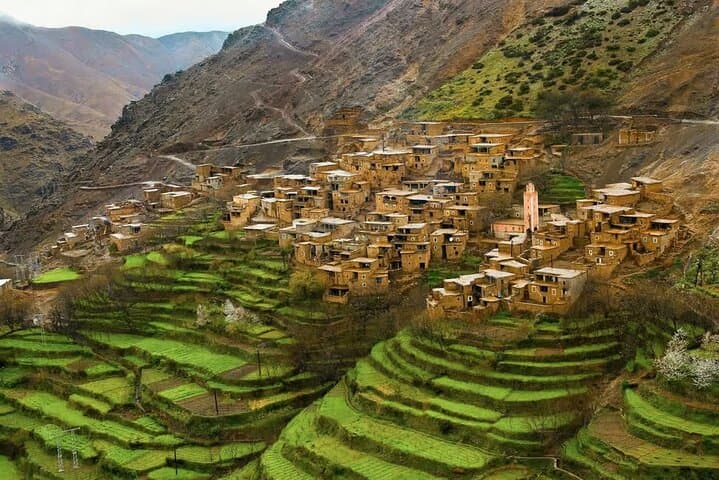
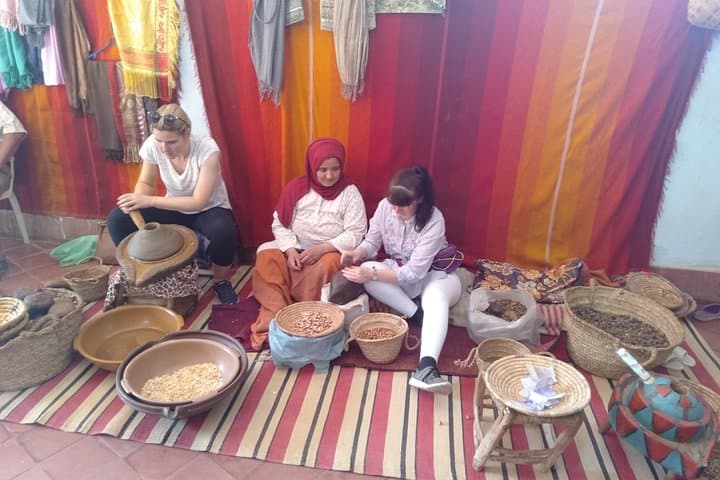
The route threads through Tahanout, Asni, Imnan and Imlil Valleys, each valley shifting in geology and vegetation: terraced fields and walnut and apple orchards give way to granite outcrops and fast, clear streams. Imlil, the tour’s walking hub, is a longtime base for mountain guides and the gateway to Toubkal; its villages are predominantly Berber, with a history of subsistence farming and seasonal trade. Local argan and olive cooperatives speak to the region’s role in traditional crafts and cooperative economies.
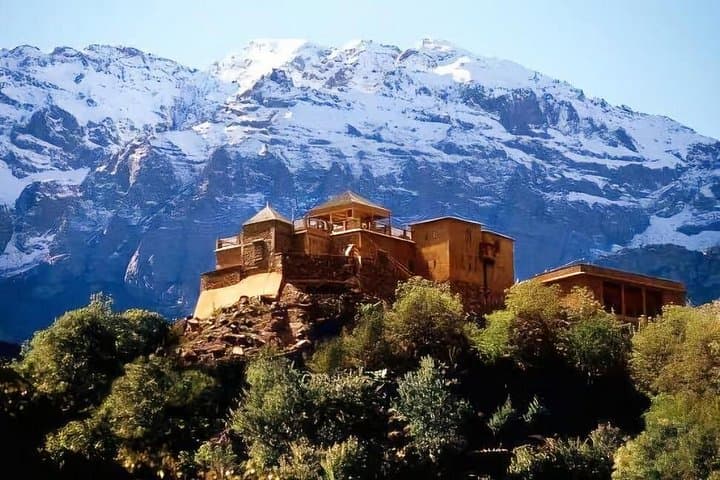
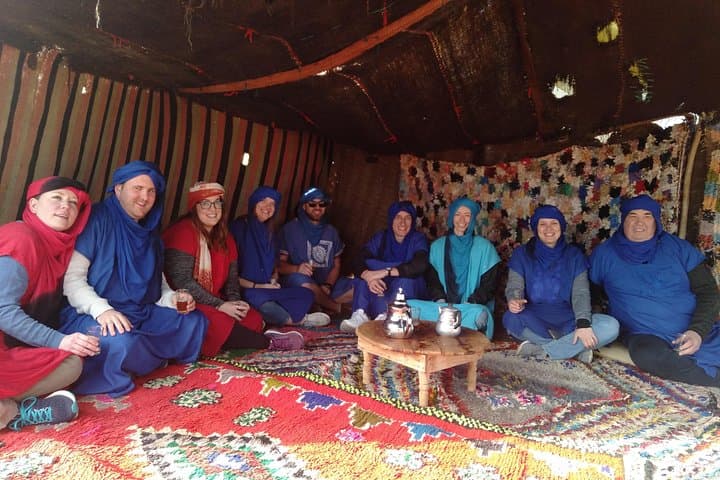
Culturally, expect warm, pragmatic hospitality—tea served ceremonially, simple rooftop lunches, and narrow lanes where mules still carry firewood. Geologically, the High Atlas is young and tectonically active; weathered granite and schist create the steep ridges and sudden waterfalls the tour visits.
Practical guidance: the guided walk is 1–2 hours on uneven village trails and dirt paths—bring sturdy footwear and layers for sudden winds. Hydrate before and during the day; include cash for local purchases. The operator offers hotel pickup, an air-conditioned vehicle, and the option to skip the hike if mobility limits participation.
By late afternoon you return to Marrakech with clear mountain views and new context for the region—its landscapes aren’t passive backdrops, they’re shifting forces that shaped local life and still direct the rhythm of daily work.
moderate.
8 hours.
Suitable for anyone with basic fitness who can manage a 1–2 hour walk on uneven terrain and short uphill sections
The guided walk is typically 1–2 hours on dirt and village paths with gentle ascents; it’s rated easy-to-moderate and can be shortened or skipped.
Yes—hotel pickup and drop-off in Marrakech are included in the tour price.
A home-cooked rooftop lunch is included along with tea and coffee; bring extra cash for snacks or market purchases.
Children and most travelers can join; however, those with significant mobility limitations can remain in the vehicle while others walk.
The High Atlas has long been home to Amazigh (Berber) communities whose agricultural terraces and seasonal markets shaped valley life for centuries.
Tourism supports local cooperatives but also increases trail wear and waste—stick to marked paths, avoid single-use plastics, and buy directly from cooperatives to support local economies.
Morocco Treasure operates guided outdoor trips and adventures with an emphasis on safety, stewardship, and memorable experiences.
Morning light slides across the High Atlas as a small convoy leaves Marrakech, and the road climbs into a landscape that feels alive and direct—rock faces leaning into the sky, orchards clasping the valley floors, and villages of stone that watch the passersby.
Morning light slides across the High Atlas as a small convoy leaves Marrakech, and the road climbs into a landscape that feels alive and direct—rock faces leaning into the sky, orchards clasping the valley floors, and villages of stone that watch the passersby.
The route threads through Tahanout, Asni, Imnan and Imlil Valleys, each valley shifting in geology and vegetation: terraced fields and walnut and apple orchards give way to granite outcrops and fast, clear streams. Imlil, the tour’s walking hub, is a longtime base for mountain guides and the gateway to Toubkal; its villages are predominantly Berber, with a history of subsistence farming and seasonal trade. Local argan and olive cooperatives speak to the region’s role in traditional crafts and cooperative economies.
Culturally, expect warm, pragmatic hospitality—tea served ceremonially, simple rooftop lunches, and narrow lanes where mules still carry firewood. Geologically, the High Atlas is young and tectonically active; weathered granite and schist create the steep ridges and sudden waterfalls the tour visits.
Practical guidance: the guided walk is 1–2 hours on uneven village trails and dirt paths—bring sturdy footwear and layers for sudden winds. Hydrate before and during the day; include cash for local purchases. The operator offers hotel pickup, an air-conditioned vehicle, and the option to skip the hike if mobility limits participation.
By late afternoon you return to Marrakech with clear mountain views and new context for the region—its landscapes aren’t passive backdrops, they’re shifting forces that shaped local life and still direct the rhythm of daily work.