THE ADVENTURE COLLECTIVE® · Independent discovery and booking for outdoor travel

Escape Marrakech for a full day in the High Atlas: walk walnut-scented lanes in Imlil, sip mint tea with a Berber family, and visit waterfalls fed by mountain snows. This guided day trip balances light hiking, optional camel rides, and cultural immersion.
Escape Marrakech for a full day in the High Atlas: walk walnut-scented lanes in Imlil, sip mint tea with a Berber family, and visit waterfalls fed by mountain snows. This guided day trip balances light hiking, optional camel rides, and cultural immersion.
You leave Marrakech’s ochre alleys at first light and drive toward the High Atlas, the road climbing with the landscape—olive terraces give way to walnut and apple groves, and the air thins with rosemary and wild thyme.
Verified experiences and guided adventures in the surrounding area.
Operated by The craftsman of your trip · Marrakech, Marrakesh-Safi
You leave Marrakech’s ochre alleys at first light and drive toward the High Atlas, the road climbing with the landscape—olive terraces give way to walnut and apple groves, and the air thins with rosemary and wild thyme.
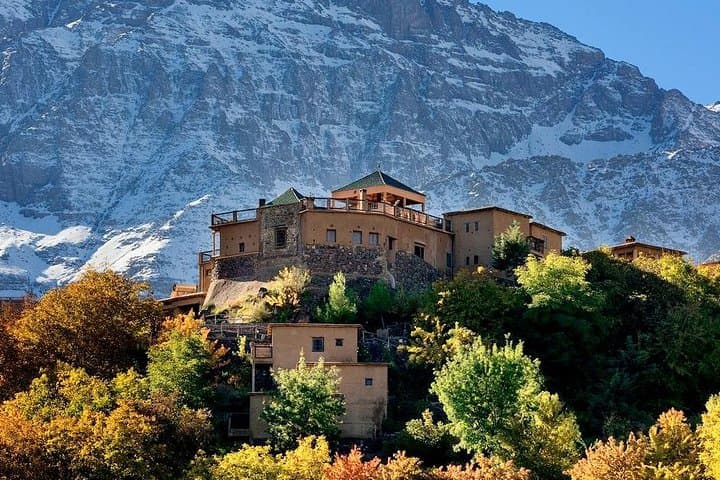
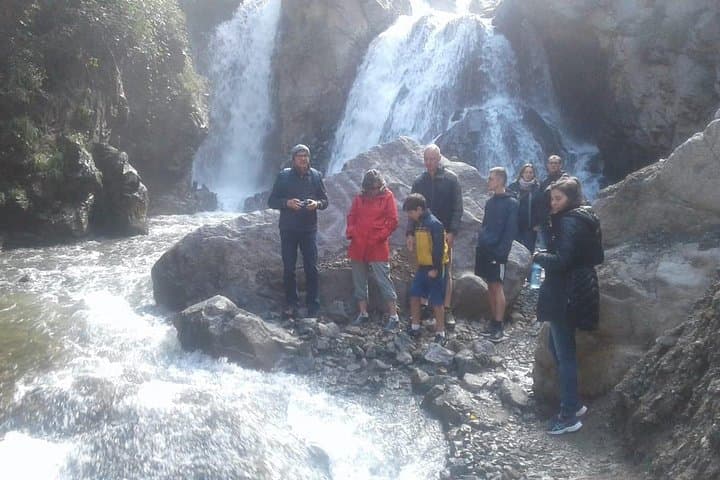
The route threads past Ait Souka and the Asni Valley, then drops into Imlil, an old caravan gateway beneath Jebel Toubkal (4,167 m). Geology here is raw: folded limestone and volcanic outcrops carved by winter snows and spring melt that feed the Ghighaya River and the waterfalls you’ll visit. Culture is immediate—Berber (Amazigh) villages cling to slopes, where homes are built from local stone and flat roofs double as drying racks for figs and herbs.
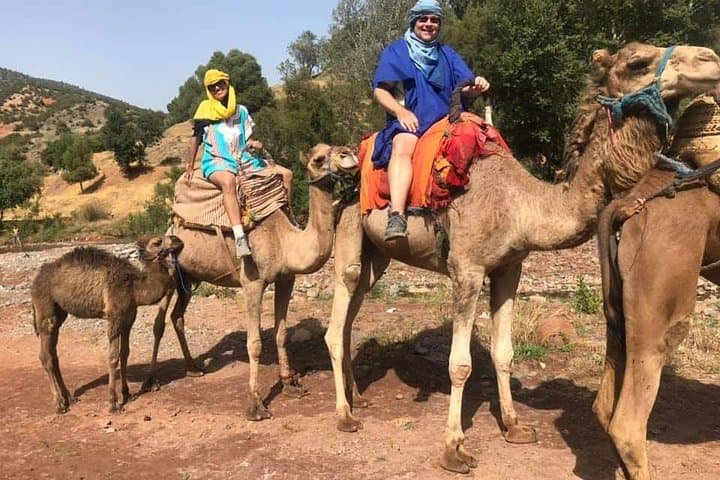
A stop for mint tea at a village home introduces daily life; a visit to a Berber family for tajine lunch highlights local foodways and sustainable farming practices. If you choose, a short camel ride offers a different, gentle perspective on valley paths; the more active can walk toward panoramic viewpoints with modest elevation gain (expect 150–400 m on optional hikes).
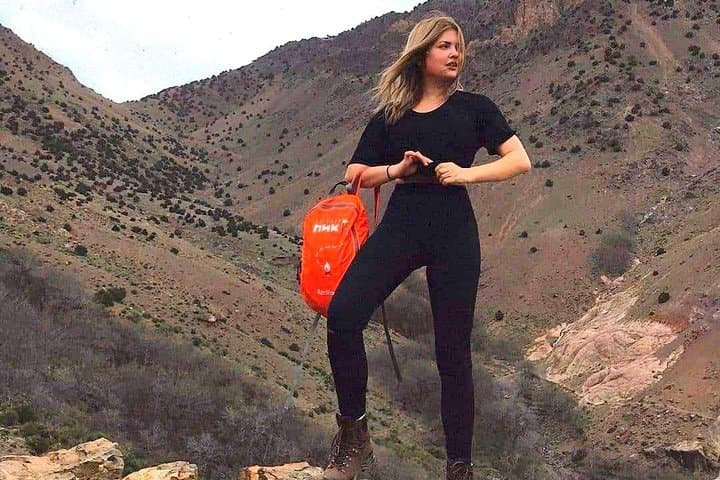
Practical guidance: this is an eight-hour day with hotel pickup and a comfortable, air-conditioned vehicle. Wear sturdy shoes for rocky tracks, bring layered clothing for temperature swings, and carry water and sun protection. Cash is useful for small purchases and tips; always ask before photographing people. The trail surfaces vary from paved village lanes to dirt mule tracks—fit for most fitness levels but not for those with serious heart problems. Expect an immersive day that balances easy cultural stops with manageable mountain walking.
moderate.
8 hours.
Moderate fitness — able to walk on uneven ground and climb short steep sections (150–400 m elevation gain on optional hikes).
Expect about 60–90 minutes each way depending on traffic and photo stops; the full tour is roughly eight hours.
Yes—camel rides offered are short and gentle, but inform the guide of any mobility concerns beforehand.
Most providers can adapt to common dietary needs with advance notice—use the booking's special requirements field.
No; this day trip visits valley viewpoints and waterfalls. Climbing Toubkal requires multi-day technical planning and a different itinerary.
The High Atlas has been home to Berber communities for centuries, serving historically as caravan routes and seasonal grazing grounds beneath Jebel Toubkal.
Tourism supports local households but stick to marked paths to reduce erosion; use local guides and minimize single-use plastics to help fragile mountain water sources.
The craftsman of your trip operates guided outdoor trips and adventures with an emphasis on safety, stewardship, and memorable experiences.
You leave Marrakech’s ochre alleys at first light and drive toward the High Atlas, the road climbing with the landscape—olive terraces give way to walnut and apple groves, and the air thins with rosemary and wild thyme.
You leave Marrakech’s ochre alleys at first light and drive toward the High Atlas, the road climbing with the landscape—olive terraces give way to walnut and apple groves, and the air thins with rosemary and wild thyme.
The route threads past Ait Souka and the Asni Valley, then drops into Imlil, an old caravan gateway beneath Jebel Toubkal (4,167 m). Geology here is raw: folded limestone and volcanic outcrops carved by winter snows and spring melt that feed the Ghighaya River and the waterfalls you’ll visit. Culture is immediate—Berber (Amazigh) villages cling to slopes, where homes are built from local stone and flat roofs double as drying racks for figs and herbs.
A stop for mint tea at a village home introduces daily life; a visit to a Berber family for tajine lunch highlights local foodways and sustainable farming practices. If you choose, a short camel ride offers a different, gentle perspective on valley paths; the more active can walk toward panoramic viewpoints with modest elevation gain (expect 150–400 m on optional hikes).
Practical guidance: this is an eight-hour day with hotel pickup and a comfortable, air-conditioned vehicle. Wear sturdy shoes for rocky tracks, bring layered clothing for temperature swings, and carry water and sun protection. Cash is useful for small purchases and tips; always ask before photographing people. The trail surfaces vary from paved village lanes to dirt mule tracks—fit for most fitness levels but not for those with serious heart problems. Expect an immersive day that balances easy cultural stops with manageable mountain walking.