THE ADVENTURE COLLECTIVE® · Independent discovery and booking for outdoor travel

A compact full-day hike from Marrakesh into the Western High Atlas that pairs village trails, panoramic views of Mount Toubkal and a home-cooked Berber lunch. Ideal for travelers seeking accessible mountain walking with cultural context.
A compact full-day hike from Marrakesh into the Western High Atlas that pairs village trails, panoramic views of Mount Toubkal and a home-cooked Berber lunch. Ideal for travelers seeking accessible mountain walking with cultural context.
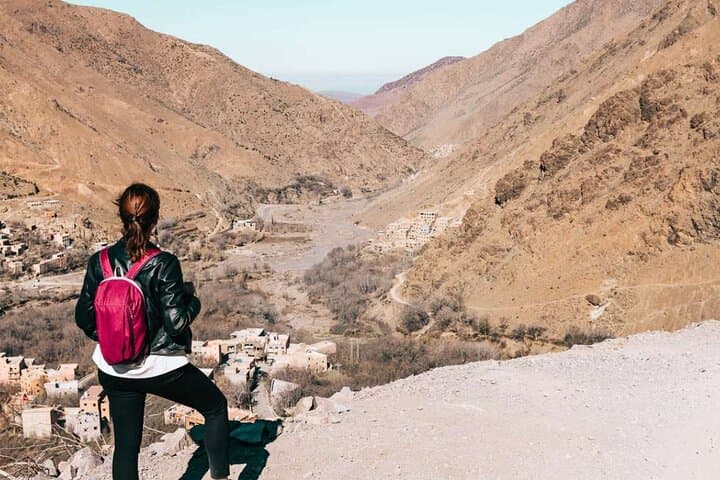
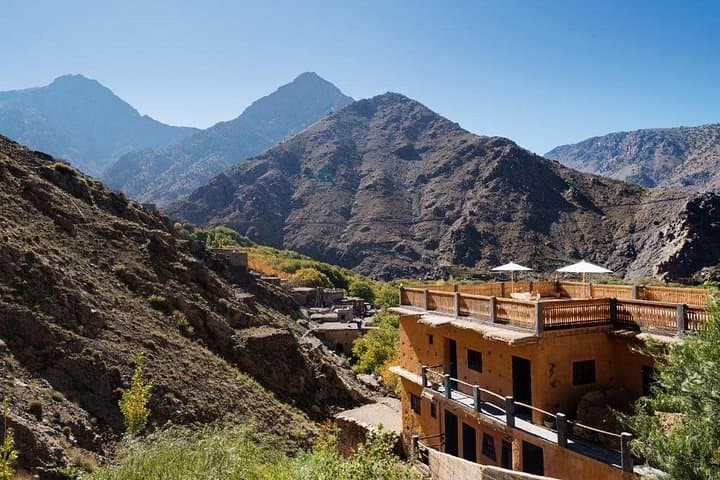
You step out of the air-conditioned van and the air changes — cooler, drier, with a slate-scent of stone and thyme. Imlil sits above the red plains of Marrakesh, a cluster of flat-roofed houses and mule tracks at about 1,740 m, framed by the serrated ridges of the Western High Atlas. The day's route climbs gently toward Aroumd and Ait-Souka, threading hamlets, corn terraces and shepherd tracks while Mount Toubkal keeps watch to the south.
Verified experiences and guided adventures in the surrounding area.
Operated by Marrakesh Day Tour · Imlil, Marrakech-Safi
You step out of the air-conditioned van and the air changes — cooler, drier, with a slate-scent of stone and thyme. Imlil sits above the red plains of Marrakesh, a cluster of flat-roofed houses and mule tracks at about 1,740 m, framed by the serrated ridges of the Western High Atlas. The day's route climbs gently toward Aroumd and Ait-Souka, threading hamlets, corn terraces and shepherd tracks while Mount Toubkal keeps watch to the south.
These valleys are shaped by volcanic bedrock and glacial action from the last Ice Age; moraines and steep gullies characterize local geology while irrigation channels — khetarras — carve green ribbons into otherwise rocky slopes. The region is Berber country: expect warm mint tea, family-run lunches, and practical stories about transhumance and mountain weather passed down through generations.
On this full-day loop the walking is steady rather than technical: dirt tracks, loose scree in places, and some short stone stair sections in villages. Highlights include sweeping views of Toubkal, close-up encounters with terraced agriculture, and a lunch in a Berber home that offers cultural context as much as calories.
Practical guide: start early from Marrakesh to avoid afternoon heat; bring layered clothing for quick temperature swings; wear sturdy trail shoes with ankle support; carry at least 1.5–2 liters of water and cash for market purchases or tips. The itinerary fits most walking abilities but allow time to move slowly at altitude and enjoy the panoramic viewpoints — the mountains demand attention and repay it with quiet, expansive vistas.
easy.
6–7 hours.
Suitable for walkers who can handle a half-day of steady uphill and downhill walking; basic stamina required.
The operator picks up from centrally located hotels in Marrakesh and returns you to your accommodation by mid-to-late afternoon.
Yes — the route is described as suitable for most fitness levels, but children should be comfortable walking several hours and on uneven terrain.
Yes — clear days offer excellent views of Mount Toubkal from the trail and several dedicated photo stops.
Lunch is served at a Berber family's house and typically includes home-cooked local dishes, tea and simple seasonal fare; inform the operator of dietary needs in advance.
The High Atlas has long been home to Amazigh (Berber) communities who cultivated terraces and maintained trade routes between mountain valleys and Marrakesh.
Visitor impact is managed informally; stick to trails, avoid single-use plastics and support local families to keep tourism benefits in the communities.
Marrakesh Day Tour operates guided outdoor trips and adventures with an emphasis on safety, stewardship, and memorable experiences.
You step out of the air-conditioned van and the air changes — cooler, drier, with a slate-scent of stone and thyme. Imlil sits above the red plains of Marrakesh, a cluster of flat-roofed houses and mule tracks at about 1,740 m, framed by the serrated ridges of the Western High Atlas. The day's route climbs gently toward Aroumd and Ait-Souka, threading hamlets, corn terraces and shepherd tracks while Mount Toubkal keeps watch to the south.
You step out of the air-conditioned van and the air changes — cooler, drier, with a slate-scent of stone and thyme. Imlil sits above the red plains of Marrakesh, a cluster of flat-roofed houses and mule tracks at about 1,740 m, framed by the serrated ridges of the Western High Atlas. The day's route climbs gently toward Aroumd and Ait-Souka, threading hamlets, corn terraces and shepherd tracks while Mount Toubkal keeps watch to the south.
These valleys are shaped by volcanic bedrock and glacial action from the last Ice Age; moraines and steep gullies characterize local geology while irrigation channels — khetarras — carve green ribbons into otherwise rocky slopes. The region is Berber country: expect warm mint tea, family-run lunches, and practical stories about transhumance and mountain weather passed down through generations.
On this full-day loop the walking is steady rather than technical: dirt tracks, loose scree in places, and some short stone stair sections in villages. Highlights include sweeping views of Toubkal, close-up encounters with terraced agriculture, and a lunch in a Berber home that offers cultural context as much as calories.
Practical guide: start early from Marrakesh to avoid afternoon heat; bring layered clothing for quick temperature swings; wear sturdy trail shoes with ankle support; carry at least 1.5–2 liters of water and cash for market purchases or tips. The itinerary fits most walking abilities but allow time to move slowly at altitude and enjoy the panoramic viewpoints — the mountains demand attention and repay it with quiet, expansive vistas.