THE ADVENTURE COLLECTIVE® · Independent discovery and booking for outdoor travel

Spend a full day moving between Athens’ iconic ruins and its richest museums. This guided tour pairs the Acropolis and Parthenon with the National Archaeological Museum and a stroll through Plaka—perfect for first-time visitors who want history, context, and practical logistics handled.
Spend a full day moving between Athens’ iconic ruins and its richest museums. This guided tour pairs the Acropolis and Parthenon with the National Archaeological Museum and a stroll through Plaka—perfect for first-time visitors who want history, context, and practical logistics handled.
You step out of the air-conditioned van into a city of pale stone and light; Acropolis looms above like a carved promontory watching over Athens. The Parthenon’s Doric columns throw sharp shadows across worn steps while the city—white roofs, scattered pines, a sliver of blue sea on the horizon—unfurls below.
Verified experiences and guided adventures in the surrounding area.
Operated by taxiGo DMC · Athens, Attica
You step out of the air-conditioned van into a city of pale stone and light; Acropolis looms above like a carved promontory watching over Athens. The Parthenon’s Doric columns throw sharp shadows across worn steps while the city—white roofs, scattered pines, a sliver of blue sea on the horizon—unfurls below.
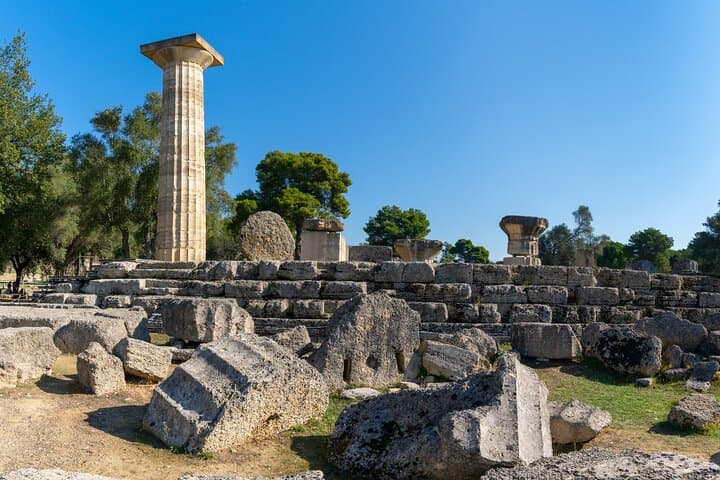
This full-day loop stitches classical history to modern Athens. Begin on Acropolis Hill where 5th-century BCE marble tells stories of Athena, civic ritual, and architectural daring. The nearby Temple of Olympian Zeus reveals Roman-era ambition with its scattered, monumental columns; the Panathenaic Stadium, rebuilt in pure Pentelic marble, recalls both antiquity and the 1896 rebirth of the Olympics.
Inside the National Archaeological Museum, sculptures and pottery map centuries of Aegean life; in Plaka, narrow streets and tavernas offer a lived-in counterpoint to the city's ruins. Geology—limestone outcrops and soft marble—explains both Athens’ building materials and the city’s weathering, while layers of Byzantine, Ottoman and modern Greek culture show in alleys and churches.
Practical edge: expect 6–8 hours mostly on foot with uneven cobbles and staircases. Bring sturdy shoes, sun protection, and a water bottle you can refill—shops and fountains are common but midday heat pushes temperatures sharply in summer. Guided transport reduces navigation stress, but wear comfortable clothing for museum security checks and steep climbs.
Timing matters: start early to avoid crowds on the Acropolis, save the museum for midday shade, and finish with Lykabettus or a Plaka coffee. This is a compact, walk-forward way to read Athens’ layers—structural, human and climatic—without losing pace.
easy.
8 hours.
Light to moderate mobility needed: comfortable walking for several hours, ability to climb stairs.
This tour typically covers guide commentary and transportation; individual monument or museum admission may be separate—confirm with the operator before booking.
Yes—guides often design the pace for mixed groups, but note the Acropolis requires climbing many steps and uneven footing.
The itinerary includes a break in Plaka where you can eat, shop, and rest—plan for a 45–60 minute pause within the day.
Expect several short walks between sites and up to 2–3 hours of walking total across the day, much of it on uneven surfaces.
Athens grew from Bronze Age settlements into a classical capital; the Acropolis monuments date mainly to the 5th century BCE and reflect civic and religious life.
High visitor numbers stress ancient stone and archaeological sites—follow marked paths, avoid touching carved surfaces, and support conservation-minded guides and museums.
taxiGo DMC operates guided outdoor trips and adventures with an emphasis on safety, stewardship, and memorable experiences.
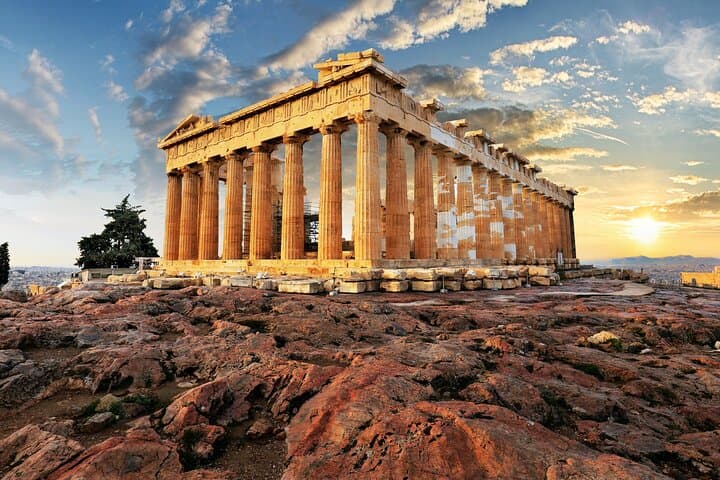

You step out of the air-conditioned van into a city of pale stone and light; Acropolis looms above like a carved promontory watching over Athens. The Parthenon’s Doric columns throw sharp shadows across worn steps while the city—white roofs, scattered pines, a sliver of blue sea on the horizon—unfurls below.
You step out of the air-conditioned van into a city of pale stone and light; Acropolis looms above like a carved promontory watching over Athens. The Parthenon’s Doric columns throw sharp shadows across worn steps while the city—white roofs, scattered pines, a sliver of blue sea on the horizon—unfurls below.
This full-day loop stitches classical history to modern Athens. Begin on Acropolis Hill where 5th-century BCE marble tells stories of Athena, civic ritual, and architectural daring. The nearby Temple of Olympian Zeus reveals Roman-era ambition with its scattered, monumental columns; the Panathenaic Stadium, rebuilt in pure Pentelic marble, recalls both antiquity and the 1896 rebirth of the Olympics.
Inside the National Archaeological Museum, sculptures and pottery map centuries of Aegean life; in Plaka, narrow streets and tavernas offer a lived-in counterpoint to the city's ruins. Geology—limestone outcrops and soft marble—explains both Athens’ building materials and the city’s weathering, while layers of Byzantine, Ottoman and modern Greek culture show in alleys and churches.
Practical edge: expect 6–8 hours mostly on foot with uneven cobbles and staircases. Bring sturdy shoes, sun protection, and a water bottle you can refill—shops and fountains are common but midday heat pushes temperatures sharply in summer. Guided transport reduces navigation stress, but wear comfortable clothing for museum security checks and steep climbs.
Timing matters: start early to avoid crowds on the Acropolis, save the museum for midday shade, and finish with Lykabettus or a Plaka coffee. This is a compact, walk-forward way to read Athens’ layers—structural, human and climatic—without losing pace.