THE ADVENTURE COLLECTIVE® · Independent discovery and booking for outdoor travel

Move from Arusha’s bustling markets to a hands-on cooking class, a short hike to Napuru waterfall, and a farm-to-cup coffee experience in Nkoaruma village. This full-day private tour mixes culture, light hiking, and rural flavors into one flexible itinerary.
Move from Arusha’s bustling markets to a hands-on cooking class, a short hike to Napuru waterfall, and a farm-to-cup coffee experience in Nkoaruma village. This full-day private tour mixes culture, light hiking, and rural flavors into one flexible itinerary.
Early light finds Arusha’s clock tower a practical compass: traders setting up, minivans idling, and the scent of frying chapati from roadside stalls. A full-day guided tour threads those city streets into farmland and forest, moving from the market’s colors to the hush above Napuru waterfall and ending in the coffee terraces of Nkoaruma village.
Verified experiences and guided adventures in the surrounding area.
Operated by Tanzania Songbirds Safaris · Arusha, Arusha Region
Early light finds Arusha’s clock tower a practical compass: traders setting up, minivans idling, and the scent of frying chapati from roadside stalls. A full-day guided tour threads those city streets into farmland and forest, moving from the market’s colors to the hush above Napuru waterfall and ending in the coffee terraces of Nkoaruma village.
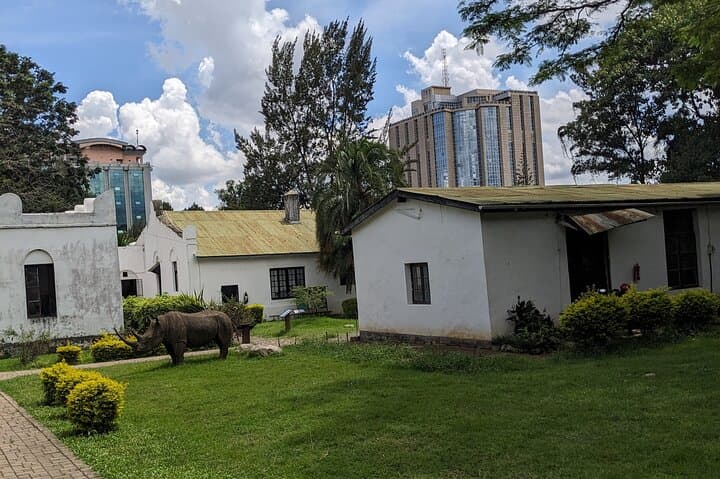
Arusha sits at the edge of the Eastern Rift’s rolling uplands—a patchwork of volcanic soils that made coffee a reliable crop and the town a colonial trading hub for Meru, Maasai and settler communities. Walking the Natural History Museum and Tanzanite Experience Museum grounds gives context to the region’s geology and trade history, while the central market and Maasai craft stalls reveal living cultural practices.
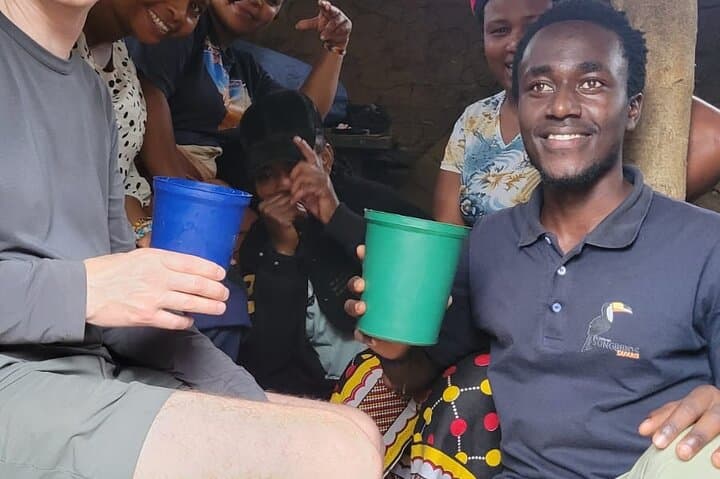
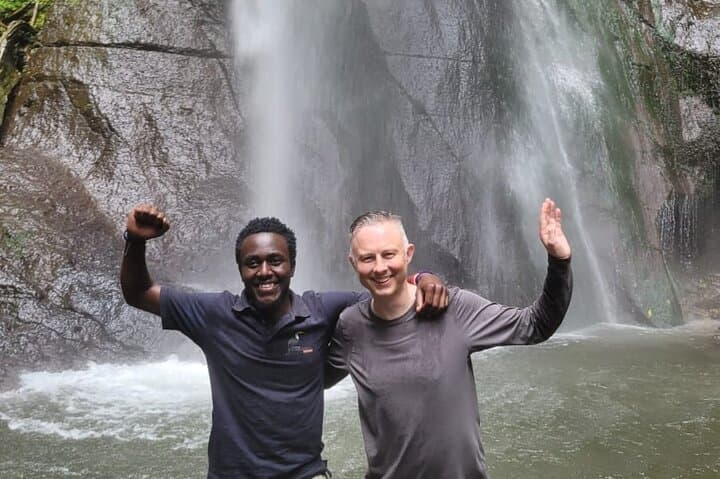
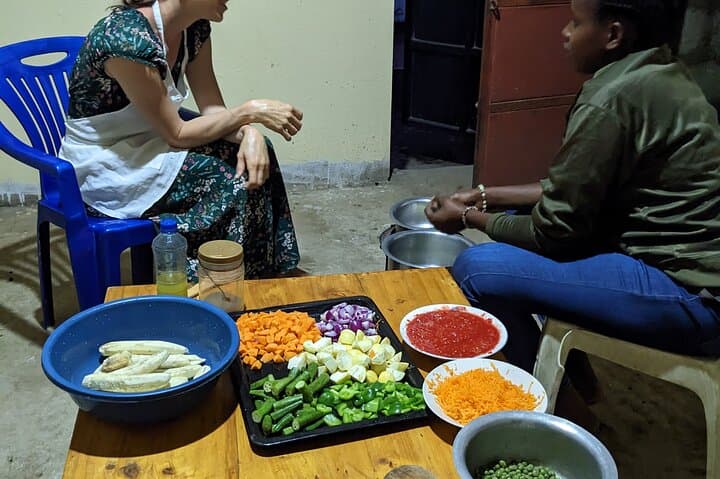
Practically, expect three activity types in one day: an urban walk (paved and uneven), a village market and hands-on cooking class (standing, light chopping), and a moderate hike to Napuru waterfall (steep paths, loose stone, short scramble sections). The coffee tour introduces the full process—from cherry to cup—on smallholder plots where you’ll roast and brew under farmers’ guidance.
Plan for an 8–11 hour day with local transport between stops, a guide handling permits and introductions, and moments for personal exploration. Bring sturdy shoes, sun protection, modest clothing for village visits, and a curiosity for foodways and farming. The route balances cultural engagement and active hiking—rewarded by the sound of the falls and the taste of coffee you helped make.
moderate.
8–11 hours.
Moderate fitness recommended: comfortable standing, walking several kilometers, and handling short climbs on uneven terrain.
Yes for school-aged children who can walk moderate distances; parents should note the hike has uneven terrain and keep children supervised near the waterfall.
Yes—the ingredients you prepare in the cooking class and the coffee prepared on the farm are included in the tour price.
This is a private tour with flexible timing; guides will accommodate reasonable requests like additional market stops or longer time at the waterfall if schedules allow.
Conservative, breathable clothing that covers shoulders and knees is respectful in village settings; layers work well for morning cool and warming afternoons.
Arusha grew as a trading crossroads on fertile volcanic soils and today reflects Meru, Maasai and colonial influences visible in its markets, museums and coffee farming traditions.
Support local smallholders by buying coffee and crafts; visitors should stick to trails at Napuru and avoid leaving waste to protect water quality and soil on steep slopes.
Tanzania Songbirds Safaris operates guided outdoor trips and adventures with an emphasis on safety, stewardship, and memorable experiences.
Early light finds Arusha’s clock tower a practical compass: traders setting up, minivans idling, and the scent of frying chapati from roadside stalls. A full-day guided tour threads those city streets into farmland and forest, moving from the market’s colors to the hush above Napuru waterfall and ending in the coffee terraces of Nkoaruma village.
Early light finds Arusha’s clock tower a practical compass: traders setting up, minivans idling, and the scent of frying chapati from roadside stalls. A full-day guided tour threads those city streets into farmland and forest, moving from the market’s colors to the hush above Napuru waterfall and ending in the coffee terraces of Nkoaruma village.
Arusha sits at the edge of the Eastern Rift’s rolling uplands—a patchwork of volcanic soils that made coffee a reliable crop and the town a colonial trading hub for Meru, Maasai and settler communities. Walking the Natural History Museum and Tanzanite Experience Museum grounds gives context to the region’s geology and trade history, while the central market and Maasai craft stalls reveal living cultural practices.
Practically, expect three activity types in one day: an urban walk (paved and uneven), a village market and hands-on cooking class (standing, light chopping), and a moderate hike to Napuru waterfall (steep paths, loose stone, short scramble sections). The coffee tour introduces the full process—from cherry to cup—on smallholder plots where you’ll roast and brew under farmers’ guidance.
Plan for an 8–11 hour day with local transport between stops, a guide handling permits and introductions, and moments for personal exploration. Bring sturdy shoes, sun protection, modest clothing for village visits, and a curiosity for foodways and farming. The route balances cultural engagement and active hiking—rewarded by the sound of the falls and the taste of coffee you helped make.