THE ADVENTURE COLLECTIVE® · Independent discovery and booking for outdoor travel

Spend a full day tracing South Africa’s recent history from the Apartheid Museum’s exhibits to the streets of Soweto. This guided tour combines museum context with on-the-ground stories and walking stops at key sites of resistance.
Spend a full day tracing South Africa’s recent history from the Apartheid Museum’s exhibits to the streets of Soweto. This guided tour combines museum context with on-the-ground stories and walking stops at key sites of resistance.
You step out of an air-conditioned van into a city that keeps its history visible: concrete facades, muraled houses, and the low hum of traffic giving place to a quieter street where Soweto’s memory sits in plain view.
Verified experiences and guided adventures in the surrounding area.
Operated by Mmile Africa Tours · Johannesburg, Gauteng
You step out of an air-conditioned van into a city that keeps its history visible: concrete facades, muraled houses, and the low hum of traffic giving place to a quieter street where Soweto’s memory sits in plain view.
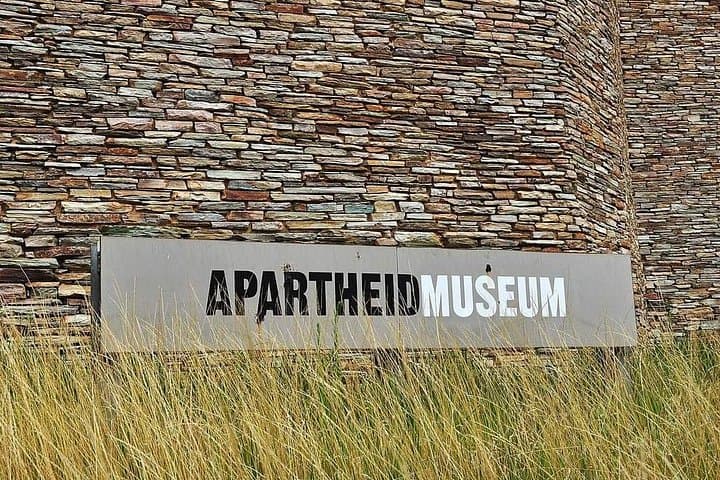
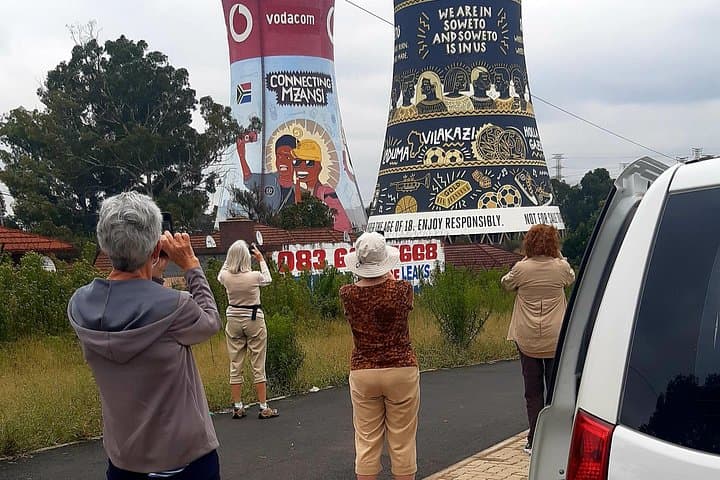
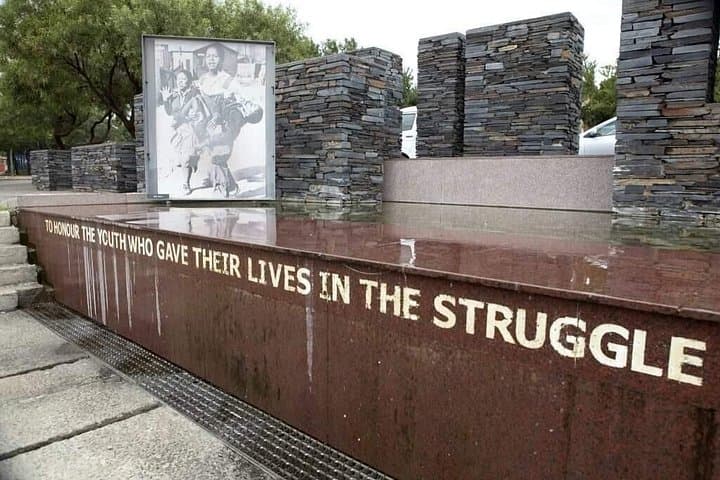
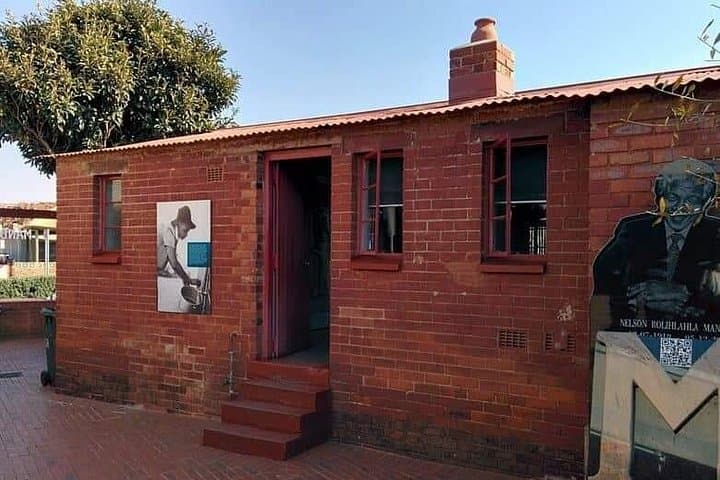
The tour begins with the Apartheid Museum, where exhibits chart legislation, resistance, and the social engineering that shaped modern South Africa. From there the route follows the route of struggle — the 1976 student march sites, iconic towers, and the homes and meeting places that anchored community life in Soweto.
Geologically this is Highveld country: flat to rolling ground on ancient crystalline bedrock, with red-brown soils and cityscapes that push the horizon. Culturally, Soweto is a living archive — shebeens, choirs, and township architecture reflect resilience and adaptation after decades of enforced segregation.
Expect a mix of indoor museum time and outdoor walking; your guide will weave personal stories with national history, pointing out buildings and marketplaces that reveal everyday life.
Practical notes: the museum operates on a Wed–Sun schedule, so plan the booking accordingly; wear comfortable walking shoes for uneven sidewalks and bring sun protection — Johannesburg’s sun can be strong even on cool days. Carry ID for ticketing and, if you’re photographing people, ask permission. Water is provided on the vehicle, but bring a refillable bottle for the walking portions. The day is full but paced: it’s a deeper look at a difficult history delivered with factual clarity and human detail.
moderate.
8 hours.
Moderate—able to walk several short distances and stand through museum exhibits; not strenuous but requires stamina for a full day.
Yes—the tour includes admission to the Apartheid Museum; note the museum is open Wednesday through Sunday.
The tour notes wheelchair and stroller accessibility and provides infant seats; contact the operator to confirm specific needs before booking.
The itinerary includes stops in Soweto where you may have time for short visits to local vendors and eateries; bring small change and check with your guide for recommended spots.
For a full refund cancel at least 24 hours before departure; tours may be canceled for bad weather according to the operator’s terms.
Soweto was a focal point of anti-apartheid resistance, including the 1976 student protests; the Apartheid Museum compiles legislative and personal histories that shaped the 20th century in South Africa.
Visitors are encouraged to minimize litter, use provided water responsibly, and respect memorial sites; sustainable tourism supports local guides and small businesses.
Mmile Africa Tours operates guided outdoor trips and adventures with an emphasis on safety, stewardship, and memorable experiences.
You step out of an air-conditioned van into a city that keeps its history visible: concrete facades, muraled houses, and the low hum of traffic giving place to a quieter street where Soweto’s memory sits in plain view.
You step out of an air-conditioned van into a city that keeps its history visible: concrete facades, muraled houses, and the low hum of traffic giving place to a quieter street where Soweto’s memory sits in plain view.
The tour begins with the Apartheid Museum, where exhibits chart legislation, resistance, and the social engineering that shaped modern South Africa. From there the route follows the route of struggle — the 1976 student march sites, iconic towers, and the homes and meeting places that anchored community life in Soweto.
Geologically this is Highveld country: flat to rolling ground on ancient crystalline bedrock, with red-brown soils and cityscapes that push the horizon. Culturally, Soweto is a living archive — shebeens, choirs, and township architecture reflect resilience and adaptation after decades of enforced segregation.
Expect a mix of indoor museum time and outdoor walking; your guide will weave personal stories with national history, pointing out buildings and marketplaces that reveal everyday life.
Practical notes: the museum operates on a Wed–Sun schedule, so plan the booking accordingly; wear comfortable walking shoes for uneven sidewalks and bring sun protection — Johannesburg’s sun can be strong even on cool days. Carry ID for ticketing and, if you’re photographing people, ask permission. Water is provided on the vehicle, but bring a refillable bottle for the walking portions. The day is full but paced: it’s a deeper look at a difficult history delivered with factual clarity and human detail.