THE ADVENTURE COLLECTIVE® · Independent discovery and booking for outdoor travel

Spend a day above Quito in the Antisana Ecological Reserve where high páramo, glacial lakes and condor-viewing points combine for a compact, wildlife-focused outing. Short walks at La Mica Lagoon and a stop at Peñón del Isco make this an accessible immersion into the high Andes.
Spend a day above Quito in the Antisana Ecological Reserve where high páramo, glacial lakes and condor-viewing points combine for a compact, wildlife-focused outing. Short walks at La Mica Lagoon and a stop at Peñón del Isco make this an accessible immersion into the high Andes.
You leave Quito with the city shrinking behind you as the road climbs into an open, wind-scoured world. Páramo grass bends and recovers like a living sea; lenses of water flash where lagoons sit in basins carved by ice. Antisana’s flanks rise above the plain, a dark, glacial-etched cone that often wears a crown of cloud. At La Mica Lagoon the air is thin and clear, and if the day is right, a pair of Andean condors will unroll across the sky like slow, deliberate punctuation.
Verified experiences and guided adventures in the surrounding area.
Operated by LimaTours · Quito, Pichincha
You leave Quito with the city shrinking behind you as the road climbs into an open, wind-scoured world. Páramo grass bends and recovers like a living sea; lenses of water flash where lagoons sit in basins carved by ice. Antisana’s flanks rise above the plain, a dark, glacial-etched cone that often wears a crown of cloud. At La Mica Lagoon the air is thin and clear, and if the day is right, a pair of Andean condors will unroll across the sky like slow, deliberate punctuation.
Geology here is blunt and recent: Antisana is a high-Andean stratovolcano shaped by glaciation, its moraine-dotted valleys holding cold lakes and peat-rich soils that define the páramo. The ecosystem supports specialized plants, grazing deer, and a cultural relationship with the land that dates to pre-Columbian Andean communities — the condor itself remains an important symbol in local cosmology.
Expect easy, short walks rather than long hikes, but plan for altitude: the reserve sits around 3,700–4,300 m (12,100–14,100 ft). Morning drives and lookout stops like Peñón del Isco improve condor odds as thermal patterns help birds ride the air. Bring binoculars, layered clothing for sharp wind and sun, and a camera with a telephoto if you want frames worth printing.
Practical tips: travel with a guide who knows local condor roosts, hydrate before arrival, and allow for variable weather — fog can hide the volcano in minutes. Respect the páramo: stay on paths, pack out waste, and keep distance from wildlife so these high Andean scenes stay wild for others.
easy.
8 hours.
Light fitness required; comfortable for most travelers who can manage short walks at high altitude
Condors are regularly seen from viewpoints like Peñón del Isco and La Mica, especially on mornings with good thermals, but sightings are not guaranteed due to weather and bird movement.
Yes — the tour involves mostly driving with short, easy walks; however, consider altitude effects and consult a doctor if you have medical concerns.
Most guided day trips include access and parking; check with your operator about reserve fees or observatory donations included in the tour price.
Acclimatize in Quito for 24 hours if possible, stay hydrated, avoid alcohol before the trip, and descend at the first signs of severe symptoms.
Antisana’s landscape was sculpted by repeated glaciations and has long been part of Andean livelihoods; local communities historically use the páramo for grazing and medicinal plants.
The páramo is a fragile water-regulating ecosystem; visitors should stick to paths, avoid trampling vegetation, and follow leave-no-trace principles to minimize impact.
LimaTours operates guided outdoor trips and adventures with an emphasis on safety, stewardship, and memorable experiences.


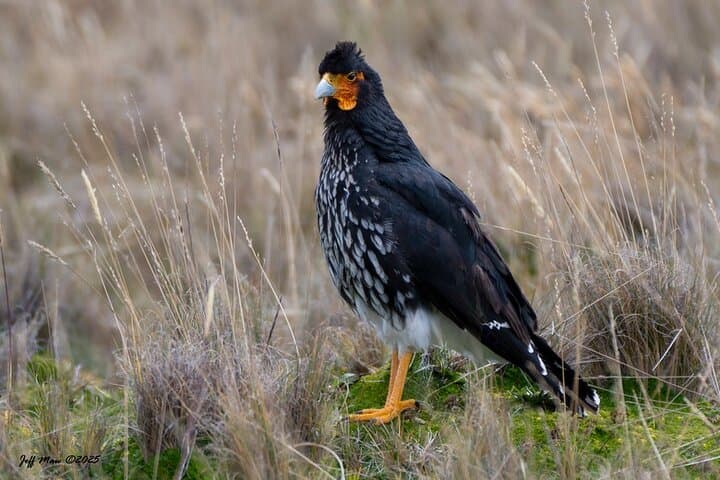
You leave Quito with the city shrinking behind you as the road climbs into an open, wind-scoured world. Páramo grass bends and recovers like a living sea; lenses of water flash where lagoons sit in basins carved by ice. Antisana’s flanks rise above the plain, a dark, glacial-etched cone that often wears a crown of cloud. At La Mica Lagoon the air is thin and clear, and if the day is right, a pair of Andean condors will unroll across the sky like slow, deliberate punctuation.
You leave Quito with the city shrinking behind you as the road climbs into an open, wind-scoured world. Páramo grass bends and recovers like a living sea; lenses of water flash where lagoons sit in basins carved by ice. Antisana’s flanks rise above the plain, a dark, glacial-etched cone that often wears a crown of cloud. At La Mica Lagoon the air is thin and clear, and if the day is right, a pair of Andean condors will unroll across the sky like slow, deliberate punctuation.
Geology here is blunt and recent: Antisana is a high-Andean stratovolcano shaped by glaciation, its moraine-dotted valleys holding cold lakes and peat-rich soils that define the páramo. The ecosystem supports specialized plants, grazing deer, and a cultural relationship with the land that dates to pre-Columbian Andean communities — the condor itself remains an important symbol in local cosmology.
Expect easy, short walks rather than long hikes, but plan for altitude: the reserve sits around 3,700–4,300 m (12,100–14,100 ft). Morning drives and lookout stops like Peñón del Isco improve condor odds as thermal patterns help birds ride the air. Bring binoculars, layered clothing for sharp wind and sun, and a camera with a telephoto if you want frames worth printing.
Practical tips: travel with a guide who knows local condor roosts, hydrate before arrival, and allow for variable weather — fog can hide the volcano in minutes. Respect the páramo: stay on paths, pack out waste, and keep distance from wildlife so these high Andean scenes stay wild for others.