THE ADVENTURE COLLECTIVE® · Independent discovery and booking for outdoor travel

Spend a focused day at Angkor’s greatest temples and then cross to Tonle Sap for a close-up of Cambodian waterside life. This private tour blends monumental history with living landscapes and practical logistics for a long, rewarding day.
Spend a focused day at Angkor’s greatest temples and then cross to Tonle Sap for a close-up of Cambodian waterside life. This private tour blends monumental history with living landscapes and practical logistics for a long, rewarding day.
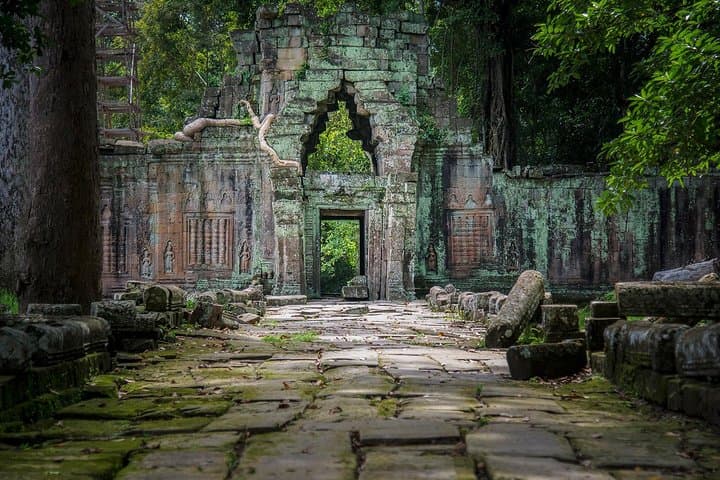
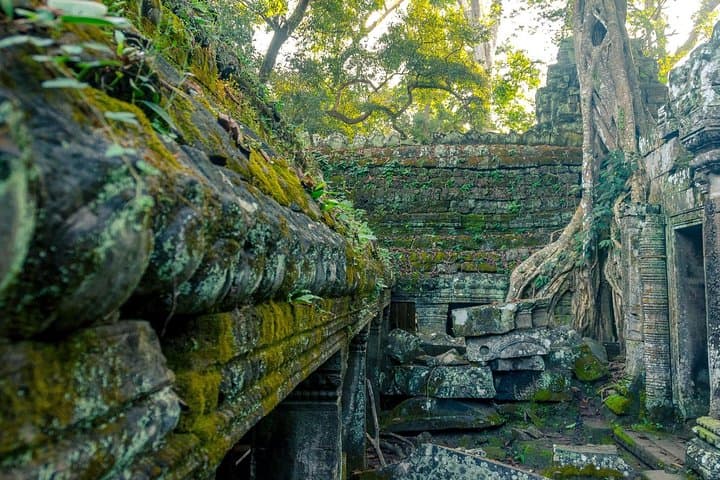
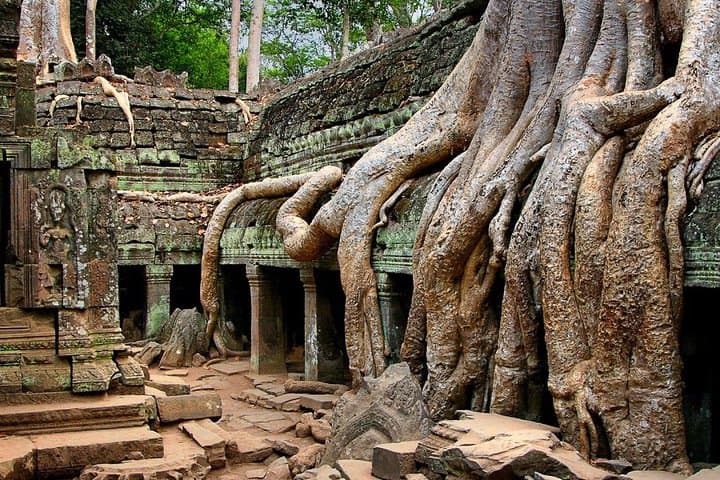
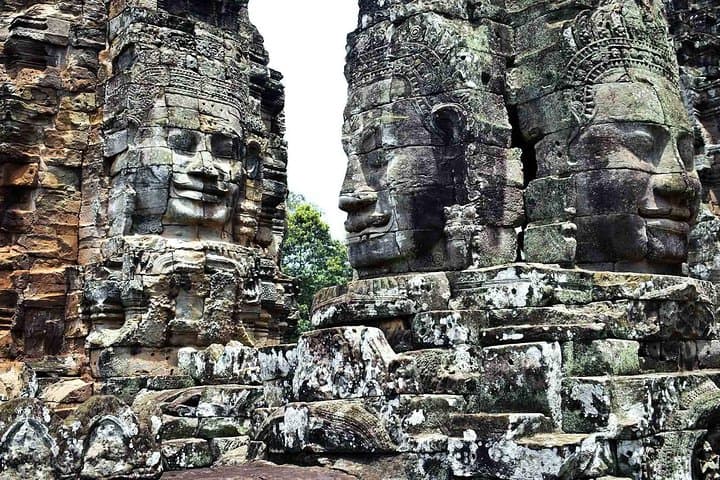
Morning light slides across sandstone bas-reliefs as the first steps into Angkor Wat, and the complex seems to wake with you. Stone faces peer from carved towers, moss darkens stair treads, and the mirrored moat throws back a sky the color of old silver. This full-day private tour stages a deliberate contrast: monumental 12th‑century Khmer architecture followed by life on Cambodia’s great inland sea, Tonle Sap.
Verified experiences and guided adventures in the surrounding area.
Operated by Siem Reap Experience · Siem Reap, Siem Reap Province
Morning light slides across sandstone bas-reliefs as the first steps into Angkor Wat, and the complex seems to wake with you. Stone faces peer from carved towers, moss darkens stair treads, and the mirrored moat throws back a sky the color of old silver. This full-day private tour stages a deliberate contrast: monumental 12th‑century Khmer architecture followed by life on Cambodia’s great inland sea, Tonle Sap.
Angkor Wat was begun under Suryavarman II in the early 1100s as a state temple to Vishnu; later kings like Jayavarman VII expanded the capital around Angkor Thom, leaving the Bayon’s many carved faces. The region’s geology — soft sedimentary sandstone laid over coralline limestone and swamp — allowed precise carving but invites erosion, so temples wear their history visibly. At Kompong Phluk, seasonal floods lift stilt houses and reshape local life; the lake’s pulse governs fisheries, forested channels and floating markets.
Practical guidance: expect a long day (about 11 hours) with intermittent walking on uneven stone, steps, and muddy pier approaches. Sunrise crowds concentrate at the west causeway, so timing affects light and solitude. Wear closed, grippy shoes for temple climbs, bring sun protection and plenty of water, and factor cash for park passes, lunch and optional small-boat rides on the mangrove channels. Respect restricted areas and guide advice—these sites are fragile and actively conserved.
By afternoon the lake’s currents seem to negotiate with you: boats thread between stilt legs and water birds ride the wakes. It’s a full, grounded day of culture, geology and living landscape — intense, accessible and unmistakably Cambodian.
moderate.
10–11 hours.
Suitable for most fitness levels but requires stamina for up to several miles of walking, stair climbs and standing during temple visits.
No — the Angkor Archaeological Park pass is paid separately at park kiosks or online; the tour handles logistics but not the ticket fee.
Boat time varies by season; expect a 1–2 hour main boat ride plus optional short mangrove skiffs of about 15 minutes (often for a small additional fee).
Some temples have steep, narrow stone steps and uneven surfaces—no technical climbing is required, but careful footing is essential and mobility-limited travelers should plan accordingly.
Most private tours include hotel pickup and drop-off in Siem Reap; confirm your pickup point during booking and allow time for traffic between sites.
The Angkor complex reflects the Khmer Empire’s 9th–13th century political and religious shifts—Suryavarman II’s Angkor Wat followed later expansions by Jayavarman VII at Angkor Thom.
Angkor’s stonework is sensitive to erosion and visitor impact; at Tonle Sap, rising tourism strains fragile fisheries and mangrove habitats, so minimizing waste and using licensed operators helps sustainability.
Siem Reap Experience operates guided outdoor trips and adventures with an emphasis on safety, stewardship, and memorable experiences.
Morning light slides across sandstone bas-reliefs as the first steps into Angkor Wat, and the complex seems to wake with you. Stone faces peer from carved towers, moss darkens stair treads, and the mirrored moat throws back a sky the color of old silver. This full-day private tour stages a deliberate contrast: monumental 12th‑century Khmer architecture followed by life on Cambodia’s great inland sea, Tonle Sap.
Morning light slides across sandstone bas-reliefs as the first steps into Angkor Wat, and the complex seems to wake with you. Stone faces peer from carved towers, moss darkens stair treads, and the mirrored moat throws back a sky the color of old silver. This full-day private tour stages a deliberate contrast: monumental 12th‑century Khmer architecture followed by life on Cambodia’s great inland sea, Tonle Sap.
Angkor Wat was begun under Suryavarman II in the early 1100s as a state temple to Vishnu; later kings like Jayavarman VII expanded the capital around Angkor Thom, leaving the Bayon’s many carved faces. The region’s geology — soft sedimentary sandstone laid over coralline limestone and swamp — allowed precise carving but invites erosion, so temples wear their history visibly. At Kompong Phluk, seasonal floods lift stilt houses and reshape local life; the lake’s pulse governs fisheries, forested channels and floating markets.
Practical guidance: expect a long day (about 11 hours) with intermittent walking on uneven stone, steps, and muddy pier approaches. Sunrise crowds concentrate at the west causeway, so timing affects light and solitude. Wear closed, grippy shoes for temple climbs, bring sun protection and plenty of water, and factor cash for park passes, lunch and optional small-boat rides on the mangrove channels. Respect restricted areas and guide advice—these sites are fragile and actively conserved.
By afternoon the lake’s currents seem to negotiate with you: boats thread between stilt legs and water birds ride the wakes. It’s a full, grounded day of culture, geology and living landscape — intense, accessible and unmistakably Cambodian.