THE ADVENTURE COLLECTIVE® · Independent discovery and booking for outdoor travel

Explore Angkor Wat and the Small Circuit temples in a single private day: Angkor’s main galleries, the carved faces of Bayon, Ta Prohm’s tree-split ruins, and a Phnom Bakheng sunset. Practical, guided, and suited for light walking.
Explore Angkor Wat and the Small Circuit temples in a single private day: Angkor’s main galleries, the carved faces of Bayon, Ta Prohm’s tree-split ruins, and a Phnom Bakheng sunset. Practical, guided, and suited for light walking.
You step from an air-conditioned minivan into a wide, sun-baked plaza where carved stone waits like an open book — Angkor Wat’s bas-reliefs catching light and shadow as the day warms.
Verified experiences and guided adventures in the surrounding area.
Operated by Cambodia Transport Service · Siem Reap, Siem Reap Province
You step from an air-conditioned minivan into a wide, sun-baked plaza where carved stone waits like an open book — Angkor Wat’s bas-reliefs catching light and shadow as the day warms.
This full-day private circuit moves at a practical pace: Angkor Wat’s vast galleries first, then the city gates and face towers of Angkor Thom, the jungle-wrapped corridors of Ta Prohm, finishing on Phnom Bakheng for sunset.
Angkor Wat was raised in the early 12th century under King Suryavarman II as a Hindu temple later converted to Buddhist use. The monuments sit on sandstone and laterite foundations that speak to both Khmer engineering and century-long exposure to monsoon cycles. Local culture remains visible — saffron robes, apsara carvings, and village markets just beyond the park boundaries.
Expect flat but uneven stone, stairs, and stretches of dusty paths between sites. The guide and driver handle logistics: Angkor Park tickets are purchased separately, and lunch is at your expense in Siem Reap or a nearby spot.
Practical tips: start early to beat heat and crowds, carry water, wear modest clothing that covers shoulders and knees, and use a comfortable, grippy shoe for slick stone. Photography is excellent throughout but be mindful at active shrines.
This private transport format suits travelers who want a focused, low-friction day — it’s cultural, approachable, and requires only light walking fitness. Time your visit around the dry season for clearer views, and leave room for slower moments among the stones.
easy.
8 hours.
Light walking fitness; several short climbs and uneven stone surfaces but no technical demands
Yes — passes are purchased at the Angkor Ticket Center (or online via official vendors); bring passport details for the ticket.
No — it’s rated easy with light walking and stairs; comfortable shoes and basic mobility are sufficient.
Entrance fees for Angkor Park are not included; lunch is also at your own expense and can be arranged with your guide or independently.
The private format typically accommodates dietary requests and flexible pacing; note mobility limitations when booking so the operator can adjust stops and timing.
The Angkor complex grew from 9th–15th century Khmer civilization; Angkor Wat was built in the early 12th century by Suryavarman II and later became a major Buddhist site.
The park operates under UNESCO and APSARA management; stay on marked paths, avoid removing antiquities, and support local guides to reduce impact.
Cambodia Transport Service operates guided outdoor trips and adventures with an emphasis on safety, stewardship, and memorable experiences.
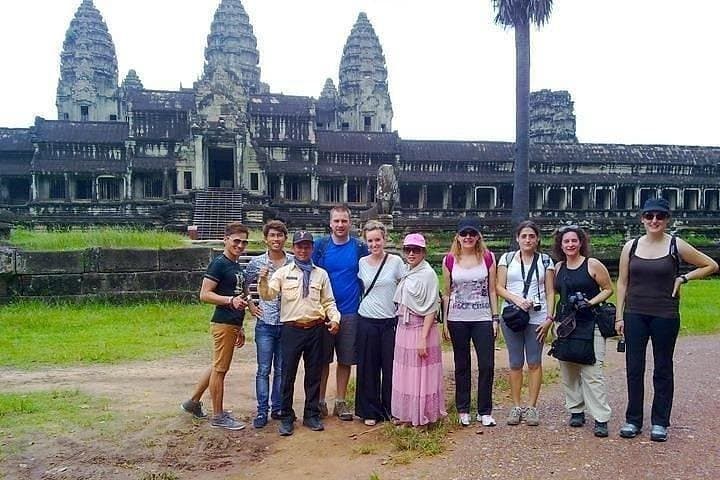
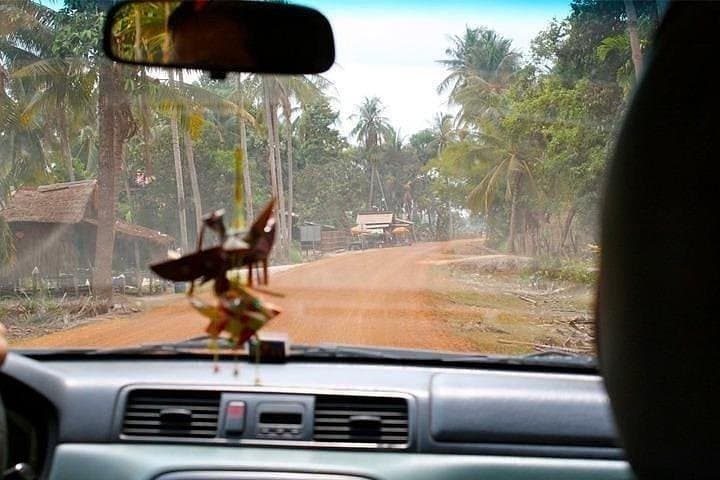
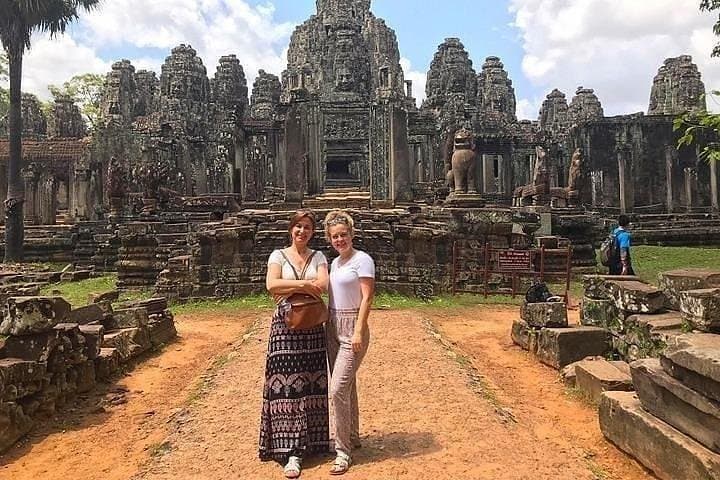
You step from an air-conditioned minivan into a wide, sun-baked plaza where carved stone waits like an open book — Angkor Wat’s bas-reliefs catching light and shadow as the day warms.
You step from an air-conditioned minivan into a wide, sun-baked plaza where carved stone waits like an open book — Angkor Wat’s bas-reliefs catching light and shadow as the day warms.
This full-day private circuit moves at a practical pace: Angkor Wat’s vast galleries first, then the city gates and face towers of Angkor Thom, the jungle-wrapped corridors of Ta Prohm, finishing on Phnom Bakheng for sunset.
Angkor Wat was raised in the early 12th century under King Suryavarman II as a Hindu temple later converted to Buddhist use. The monuments sit on sandstone and laterite foundations that speak to both Khmer engineering and century-long exposure to monsoon cycles. Local culture remains visible — saffron robes, apsara carvings, and village markets just beyond the park boundaries.
Expect flat but uneven stone, stairs, and stretches of dusty paths between sites. The guide and driver handle logistics: Angkor Park tickets are purchased separately, and lunch is at your expense in Siem Reap or a nearby spot.
Practical tips: start early to beat heat and crowds, carry water, wear modest clothing that covers shoulders and knees, and use a comfortable, grippy shoe for slick stone. Photography is excellent throughout but be mindful at active shrines.
This private transport format suits travelers who want a focused, low-friction day — it’s cultural, approachable, and requires only light walking fitness. Time your visit around the dry season for clearer views, and leave room for slower moments among the stones.