THE ADVENTURE COLLECTIVE® · Independent discovery and booking for outdoor travel

One-day circuit through Angkor’s major sites—Angkor Wat, Bayon, Ta Prohm—and a sunset at Pre Rup. This practical guide explains what to expect, how to prepare and the cultural rules to follow.
One-day circuit through Angkor’s major sites—Angkor Wat, Bayon, Ta Prohm—and a sunset at Pre Rup. This practical guide explains what to expect, how to prepare and the cultural rules to follow.
Morning light strips the jungle to revealed stone: long causeways, reflective moats and carved galleries that hum with centuries of hands. On this full-day sweep through Angkor, visitors move from Angkor Wat’s mirror pools into the crowded faces of Bayon, then into the root-riddled corridors of Ta Prohm before finishing atop Pre Rup as the sun lowers and the ruin’s red laterite drinks the light.
Verified experiences and guided adventures in the surrounding area.
Operated by Angkor Focus Travel · Siem Reap, Siem Reap Province
Morning light strips the jungle to revealed stone: long causeways, reflective moats and carved galleries that hum with centuries of hands. On this full-day sweep through Angkor, visitors move from Angkor Wat’s mirror pools into the crowded faces of Bayon, then into the root-riddled corridors of Ta Prohm before finishing atop Pre Rup as the sun lowers and the ruin’s red laterite drinks the light.
The complex preserves more than 600 years of Khmer imperial architecture, blending Hindu and Buddhist iconography. Geologically the park sits on relatively flat alluvial plains; temples rise from sandstone blocks transported and stacked with precise carving. Culturally, the ruins remain a point of pride and ongoing restoration—local guides often point out bas-reliefs that record daily life, warfare and cosmology.
Expect dusty stone, uneven steps and humid air; the route includes long, flat walks between monuments and short climbs inside galleries and temple spires. Practicalities: temple passes are required (Angkor Pass), modest dress is enforced (shoulders and knees covered), and peak light for photography is early morning and late afternoon. The tour typically provides air-conditioned transfer and a knowledgeable English-speaking guide, but admissions and lunch are usually extra.
Bring water, sun protection and comfortable shoes; pace yourself and plan restroom and shade breaks—heat can compound fatigue. Time your visit to arrive at Pre Rup around sunset for clear western views. Move deliberately over slippery laterite and tree-rooted stone: these ruins invite close inspection, but conservation rules and personal safety both demand respect.
easy.
10 hours.
Suitable for people in basic walking fitness—expect multiple short climbs and several hours on your feet
Yes—an Angkor Pass is required and available at the official ticket center in Siem Reap; there are 1-day, 3-day and 7-day options.
No—the itinerary is suitable for most fitness levels, but expect long walking periods and uneven terrain; rest breaks are common.
Lunch is typically not included; tours usually stop at a local restaurant where you can buy Khmer or Western dishes.
Children are allowed but must be supervised around steep steps; pregnant travelers should consult their doctor—some operators advise against strenuous sightseeing in heat.
Angkor was the heart of the Khmer Empire (9th–15th centuries), evolving from Hindu centers to Buddhist sites; many carvings depict court life and cosmology.
Angkor is a UNESCO-listed area under active conservation; visitors should avoid touching reliefs, climb only where permitted and follow local guide instructions to reduce wear.
Angkor Focus Travel operates guided outdoor trips and adventures with an emphasis on safety, stewardship, and memorable experiences.

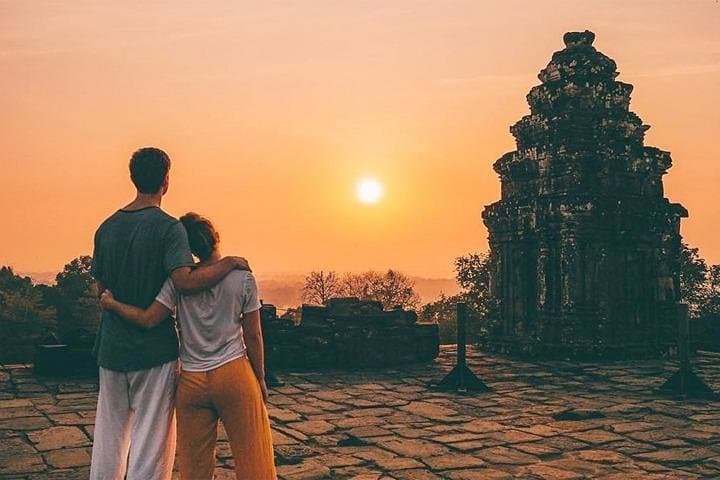
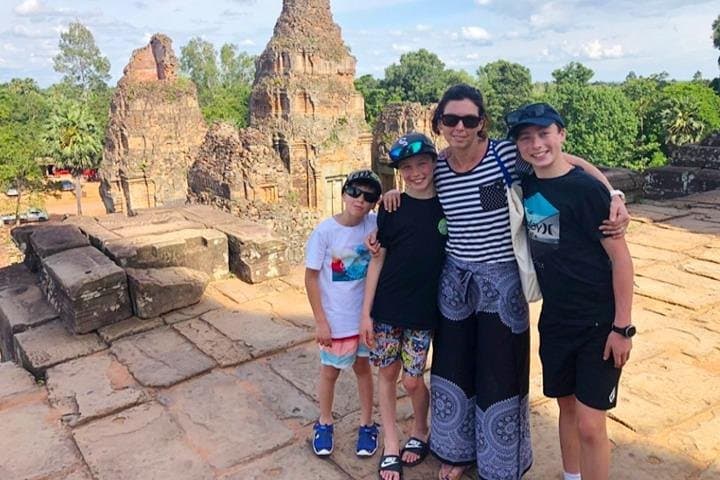

Morning light strips the jungle to revealed stone: long causeways, reflective moats and carved galleries that hum with centuries of hands. On this full-day sweep through Angkor, visitors move from Angkor Wat’s mirror pools into the crowded faces of Bayon, then into the root-riddled corridors of Ta Prohm before finishing atop Pre Rup as the sun lowers and the ruin’s red laterite drinks the light.
Morning light strips the jungle to revealed stone: long causeways, reflective moats and carved galleries that hum with centuries of hands. On this full-day sweep through Angkor, visitors move from Angkor Wat’s mirror pools into the crowded faces of Bayon, then into the root-riddled corridors of Ta Prohm before finishing atop Pre Rup as the sun lowers and the ruin’s red laterite drinks the light.
The complex preserves more than 600 years of Khmer imperial architecture, blending Hindu and Buddhist iconography. Geologically the park sits on relatively flat alluvial plains; temples rise from sandstone blocks transported and stacked with precise carving. Culturally, the ruins remain a point of pride and ongoing restoration—local guides often point out bas-reliefs that record daily life, warfare and cosmology.
Expect dusty stone, uneven steps and humid air; the route includes long, flat walks between monuments and short climbs inside galleries and temple spires. Practicalities: temple passes are required (Angkor Pass), modest dress is enforced (shoulders and knees covered), and peak light for photography is early morning and late afternoon. The tour typically provides air-conditioned transfer and a knowledgeable English-speaking guide, but admissions and lunch are usually extra.
Bring water, sun protection and comfortable shoes; pace yourself and plan restroom and shade breaks—heat can compound fatigue. Time your visit to arrive at Pre Rup around sunset for clear western views. Move deliberately over slippery laterite and tree-rooted stone: these ruins invite close inspection, but conservation rules and personal safety both demand respect.