THE ADVENTURE COLLECTIVE® · Independent discovery and booking for outdoor travel

Spend a full day tracing Angkor’s great monuments — Angkor Wat, Bayon and the jungle-clasped Ta Prohm — with an English-speaking guide. This small-group tour balances archaeological context with practical tips for navigating uneven temples and tropical weather.
Spend a full day tracing Angkor’s great monuments — Angkor Wat, Bayon and the jungle-clasped Ta Prohm — with an English-speaking guide. This small-group tour balances archaeological context with practical tips for navigating uneven temples and tropical weather.
You step from an air‑conditioned minivan into a plaza of stone and silence — morning light slants across the lotus towers of Angkor Wat and a cool, dry air seems to hold its breath. Your small group threads through carved galleries where bas‑reliefs narrate empires, while banyan roots clutch at Ta Prohm’s fallen stones like hands unwilling to let go.
Verified experiences and guided adventures in the surrounding area.
Operated by Journey2 Angkor · Siem Reap, Siem Reap Province
You step from an air‑conditioned minivan into a plaza of stone and silence — morning light slants across the lotus towers of Angkor Wat and a cool, dry air seems to hold its breath. Your small group threads through carved galleries where bas‑reliefs narrate empires, while banyan roots clutch at Ta Prohm’s fallen stones like hands unwilling to let go.
Built and refashioned between the 12th and 13th centuries, the Angkor complex records the rise of the Khmer state and its shift from Hindu to Buddhist patronage. Geology and water management shaped everything here: sandstone quarried from local ridges, reservoirs and barays that fed the capital and enabled monumental construction, and later jungle reclaiming abandoned corridors. Culture here is tactile — monks in saffron, local vendors selling palm sugar, and guides translating myths etched in stone.
Expect a well‑paced eight‑hour loop: Angkor Wat’s upper terraces and central chambers, the Bayon’s hundred smiling faces, the elephant and leper king terraces, a quick stop at Angkor Thom’s South Gate, and the atmospheric roots-and-ruin drama of Ta Prohm. The terrain is mostly flat packed earth, stepped temple platforms, and uneven carved stairways — flat shoes and steady footing are essential.
Practical notes: bring sun protection and water (bottled water is provided on this tour), wear clothes that cover shoulders and knees for temple entry, and plan arrival or departure in Siem Reap to allow for tuk‑tuk or hotel transfer. Arrive early for cooler light and fewer crowds; let the stones tell you their ages, and move deliberately — these are places meant to be read slowly.
easy.
8 hours.
Suitable for most fitness levels; requires several hours of standing and walking on uneven stone and dirt paths.
This tour note says your guide will send a link to purchase the temple entrance e‑ticket days in advance; check whether the ticket is bundled before booking.
The tour involves several hours of walking and climbing temple steps but is rated easy—no technical climbing; reasonable mobility is required.
Yes — hotel pickup and drop‑off in Siem Reap are included as listed in the tour inclusions.
Clothes that cover knees and shoulders are required; lightweight cotton or linen garments are recommended for comfort in the heat.
Angkor was the capital of the Khmer Empire between the 9th and 15th centuries; many major monuments date to the 12th–13th centuries under kings like Suryavarman II and Jayavarman VII.
Conservation focuses on balancing visitor access with structural stabilization; follow marked paths and don’t climb on fragile carvings to help protect the stone and surrounding ecology.
Journey2 Angkor operates guided outdoor trips and adventures with an emphasis on safety, stewardship, and memorable experiences.
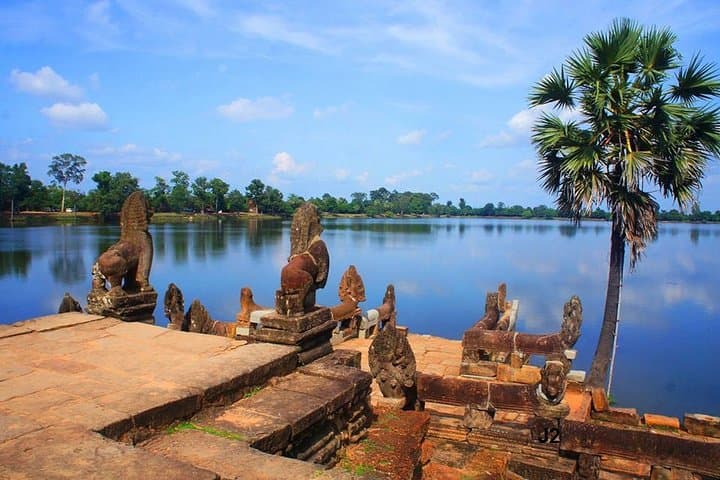
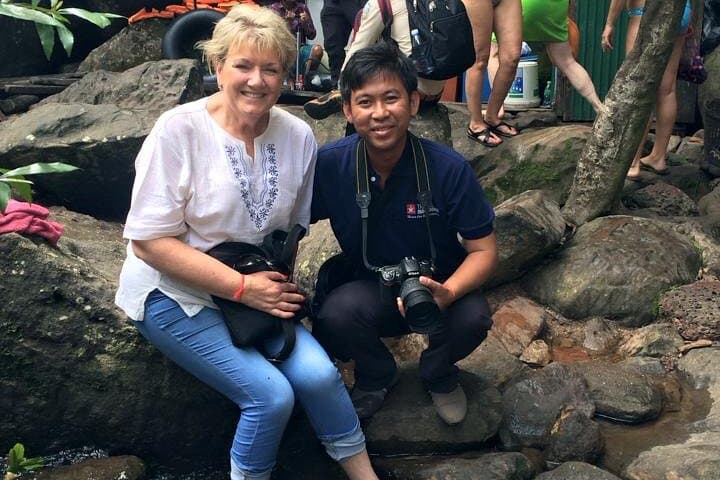
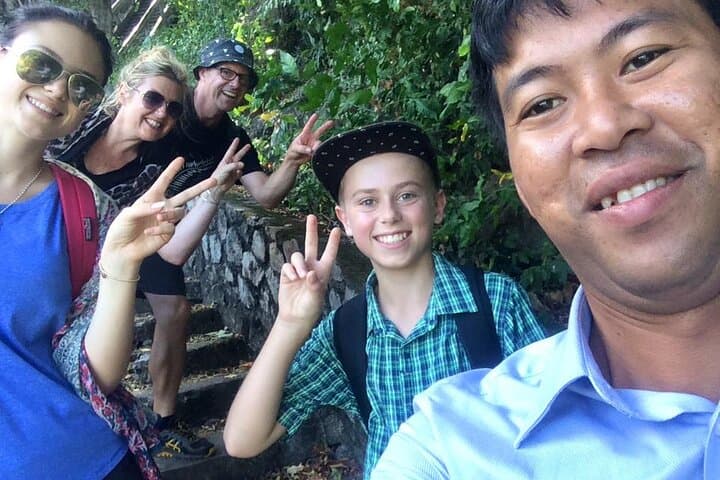

You step from an air‑conditioned minivan into a plaza of stone and silence — morning light slants across the lotus towers of Angkor Wat and a cool, dry air seems to hold its breath. Your small group threads through carved galleries where bas‑reliefs narrate empires, while banyan roots clutch at Ta Prohm’s fallen stones like hands unwilling to let go.
You step from an air‑conditioned minivan into a plaza of stone and silence — morning light slants across the lotus towers of Angkor Wat and a cool, dry air seems to hold its breath. Your small group threads through carved galleries where bas‑reliefs narrate empires, while banyan roots clutch at Ta Prohm’s fallen stones like hands unwilling to let go.
Built and refashioned between the 12th and 13th centuries, the Angkor complex records the rise of the Khmer state and its shift from Hindu to Buddhist patronage. Geology and water management shaped everything here: sandstone quarried from local ridges, reservoirs and barays that fed the capital and enabled monumental construction, and later jungle reclaiming abandoned corridors. Culture here is tactile — monks in saffron, local vendors selling palm sugar, and guides translating myths etched in stone.
Expect a well‑paced eight‑hour loop: Angkor Wat’s upper terraces and central chambers, the Bayon’s hundred smiling faces, the elephant and leper king terraces, a quick stop at Angkor Thom’s South Gate, and the atmospheric roots-and-ruin drama of Ta Prohm. The terrain is mostly flat packed earth, stepped temple platforms, and uneven carved stairways — flat shoes and steady footing are essential.
Practical notes: bring sun protection and water (bottled water is provided on this tour), wear clothes that cover shoulders and knees for temple entry, and plan arrival or departure in Siem Reap to allow for tuk‑tuk or hotel transfer. Arrive early for cooler light and fewer crowds; let the stones tell you their ages, and move deliberately — these are places meant to be read slowly.