THE ADVENTURE COLLECTIVE® · Independent discovery and booking for outdoor travel

Visit Amritsar’s three defining sites in a single, practical day: the Golden Temple’s reflective calm, the memorial hush of Jallianwala Bagh, and the stirring Wagah border ceremony at sunset. This guide outlines what to expect, how to prepare, and the key logistics to move through each stop with respect and ease.
Visit Amritsar’s three defining sites in a single, practical day: the Golden Temple’s reflective calm, the memorial hush of Jallianwala Bagh, and the stirring Wagah border ceremony at sunset. This guide outlines what to expect, how to prepare, and the key logistics to move through each stop with respect and ease.
Dawn light slides across the polished marble of the Harmandir Sahib and the city wakes in a measured rhythm — pilgrims moving with intent, the pool reflecting gilded facades, and the call to service drifting from the langar halls. A full-day Amritsar tour threads three decisive sites: the Golden Temple (Harmandir Sahib), the Jallianwala Bagh memorial, and the Wagah/Attari border ceremony.
Verified experiences and guided adventures in the surrounding area.
Operated by kabir rajput · Amritsar, Punjab
Dawn light slides across the polished marble of the Harmandir Sahib and the city wakes in a measured rhythm — pilgrims moving with intent, the pool reflecting gilded facades, and the call to service drifting from the langar halls. A full-day Amritsar tour threads three decisive sites: the Golden Temple (Harmandir Sahib), the Jallianwala Bagh memorial, and the Wagah/Attari border ceremony.
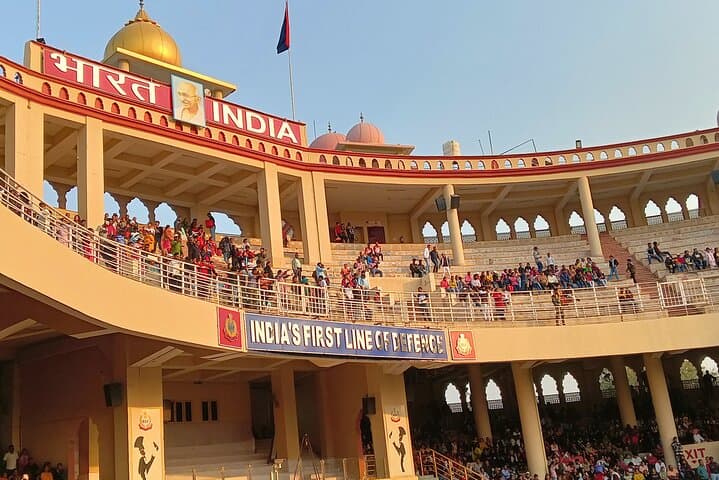
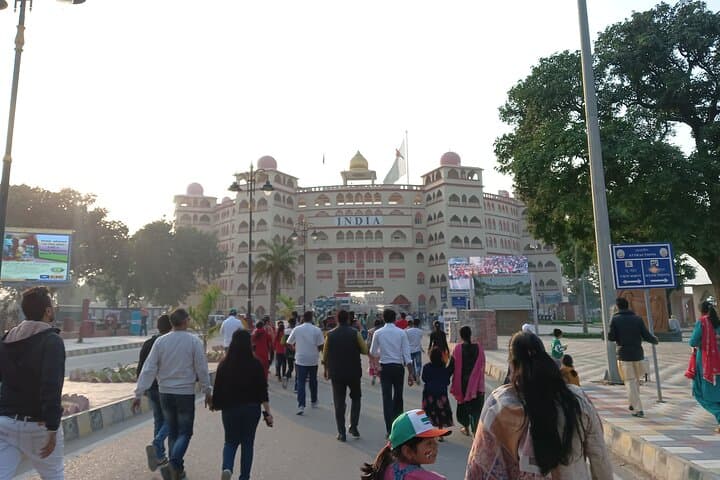
The Golden Temple, founded in the 16th century by Sikh Gurus, is both a living house of worship and an architectural focal point set on a man-made pool; its marble walkways and cold water channel offer tangible contrast to the heat of the day. A short walk away, Jallianwala Bagh marks the site of the 1919 massacre — a compact, somber garden with preserved bullet marks and a memorial well. The day's final act is the Wagah border lowering ceremony, a choreographed military exchange between India and Pakistan that plays out in the late afternoon with drums, pageantry, and packed stands.
Practicalities shape the experience: head coverings and shoe removal are mandatory at the temple, queues are common during festivals, and the Wagah ceremony runs around sunset year-round (times shift seasonally). Expect several hours of walking and standing; marble and stairs are frequent. Tours typically include hotel pickup, basic refreshments, and time to move through each site with context from a local guide.
Bring modest clothing, sun and hydration planning, and an openness to active crowds; cultural sensitivity and patience make the day more rewarding. This is an urban cultural itinerary with clear historical weight and immediate sensory impact.
easy.
6–8 hours.
Light fitness — able to walk several short distances, stand for ceremonies, and manage stairs and barefoot walking on marble.
No — entrance to the Golden Temple complex and Jallianwala Bagh is free; donations are optional and langar meals are offered at no cost.
The ceremony is held daily around sunset; arrive 45–60 minutes early, especially on weekends and public holidays, for better seating and photos.
Photography is allowed in outer areas but not inside certain prayer halls; follow signage and staff directions, and be respectful during worship.
Yes — the day is low-intensity walking, but expect stairs, standing during the Wagah ceremony, and large crowds; infant seats and assistance options may be available on some tours.
The Golden Temple was established by Sikh Gurus in the 16th century; Jallianwala Bagh commemorates the 1919 massacre that became a pivotal moment in India’s independence movement.
High visitor volumes require active waste management and crowd control; support local conservation by using refillable bottles and respecting designated pathways.
kabir rajput operates guided outdoor trips and adventures with an emphasis on safety, stewardship, and memorable experiences.
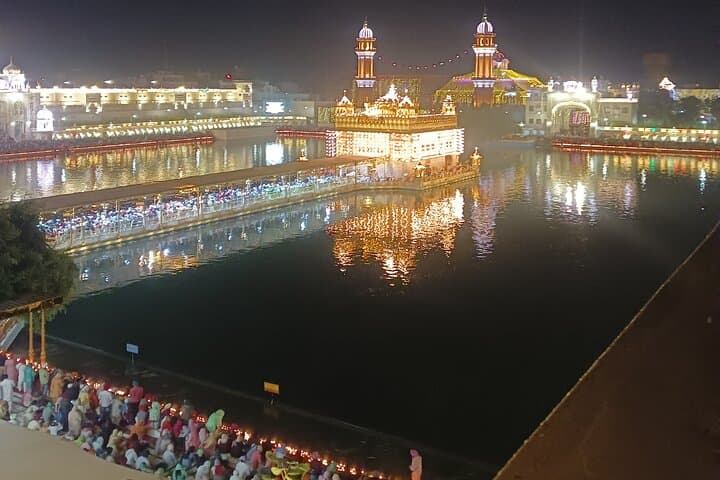
Dawn light slides across the polished marble of the Harmandir Sahib and the city wakes in a measured rhythm — pilgrims moving with intent, the pool reflecting gilded facades, and the call to service drifting from the langar halls. A full-day Amritsar tour threads three decisive sites: the Golden Temple (Harmandir Sahib), the Jallianwala Bagh memorial, and the Wagah/Attari border ceremony.
Dawn light slides across the polished marble of the Harmandir Sahib and the city wakes in a measured rhythm — pilgrims moving with intent, the pool reflecting gilded facades, and the call to service drifting from the langar halls. A full-day Amritsar tour threads three decisive sites: the Golden Temple (Harmandir Sahib), the Jallianwala Bagh memorial, and the Wagah/Attari border ceremony.
The Golden Temple, founded in the 16th century by Sikh Gurus, is both a living house of worship and an architectural focal point set on a man-made pool; its marble walkways and cold water channel offer tangible contrast to the heat of the day. A short walk away, Jallianwala Bagh marks the site of the 1919 massacre — a compact, somber garden with preserved bullet marks and a memorial well. The day's final act is the Wagah border lowering ceremony, a choreographed military exchange between India and Pakistan that plays out in the late afternoon with drums, pageantry, and packed stands.
Practicalities shape the experience: head coverings and shoe removal are mandatory at the temple, queues are common during festivals, and the Wagah ceremony runs around sunset year-round (times shift seasonally). Expect several hours of walking and standing; marble and stairs are frequent. Tours typically include hotel pickup, basic refreshments, and time to move through each site with context from a local guide.
Bring modest clothing, sun and hydration planning, and an openness to active crowds; cultural sensitivity and patience make the day more rewarding. This is an urban cultural itinerary with clear historical weight and immediate sensory impact.