THE ADVENTURE COLLECTIVE® · Independent discovery and booking for outdoor travel

Experience Amritsar’s emotional range in a single day: serene morning kirtan at the Golden Temple, the sobering memorial at Jallianwala Bagh, intimate stories at the Partition Museum, and the thunderous pageantry at the Wagah border. This full‑day guided tour pairs practical logistics with deep local context.
Experience Amritsar’s emotional range in a single day: serene morning kirtan at the Golden Temple, the sobering memorial at Jallianwala Bagh, intimate stories at the Partition Museum, and the thunderous pageantry at the Wagah border. This full‑day guided tour pairs practical logistics with deep local context.
Morning light slides across the marble causeway of Harmandir Sahib as pilgrims drift in and out of the pool that mirrors its gilded face. Kirtan threads through the courtyard; steam and the sharp scent of frying kulcha rise from nearby lanes. This is a city that moves between prayer, history and civic ritual in a single breath.
Verified experiences and guided adventures in the surrounding area.
Operated by Himachal Bylocals · Amritsar, Punjab
Morning light slides across the marble causeway of Harmandir Sahib as pilgrims drift in and out of the pool that mirrors its gilded face. Kirtan threads through the courtyard; steam and the sharp scent of frying kulcha rise from nearby lanes. This is a city that moves between prayer, history and civic ritual in a single breath.
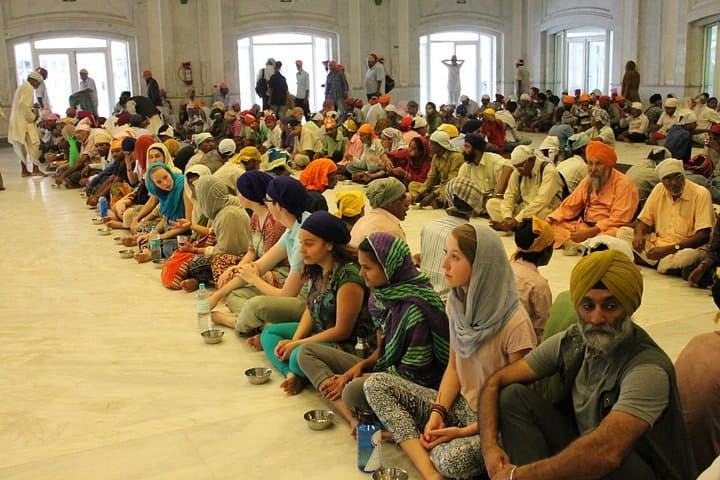
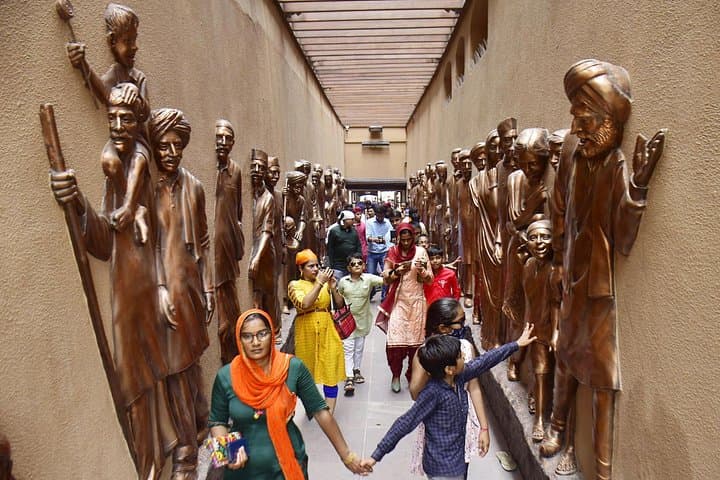
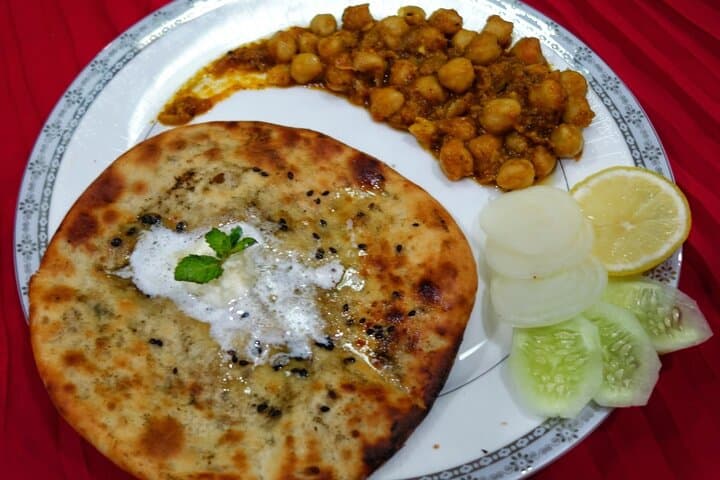
Amritsar’s core is 400 years old: the Golden Temple (Harmandir Sahib) was completed in the early 17th century and houses Sikhism’s scripture. Nearby, Jallianwala Bagh holds the preserved walls scarred by the 1919 massacre that altered India’s modern trajectory. The Partition Museum catalogs the upheaval of 1947 with first‑hand accounts, while the Attari‑Wagah border, two dozen kilometers west, stages a daily flag‑lowering that channels national emotion into precise, martial choreography. Food and bazaars thread these sites together — langar kitchens feed thousands daily; Amritsari kulcha and lassi are local signatures.
Practically, expect 5–6 hours on foot and standing: the tour schedules roughly 90 minutes at the Golden Temple, an hour at Jallianwala Bagh, a short museum stop and up to two hours at Wagah for the ceremony. Dress conservatively, cover your head at Sikh shrines, remove shoes and be ready for security checks. Mornings are best at the temple to avoid heat and crowds; Wagah is late afternoon to sunset. Carry water, slip‑resistant shoes and small change for market stops. Guides bridge context and logistics — follow them to navigate queues, sacred etiquette and a full day that shifts from quiet reflection to patriotic spectacle.
easy.
5–6 hours.
Suitable for most fitness levels; expect several short walks on paved surfaces and periods of standing in crowds.
Yes — Harmandir Sahib and its langar are free to enter; donations are optional. Separate attractions like some museums may charge nominal fees.
You must remove shoes and cover your head for the Golden Temple and many gurdwaras; wear socks if you prefer and follow on‑site instructions.
The communal langar visit is included as an experience but restaurant meals or specialty snacks are typically not covered by standard tour pricing.
Yes, but expect large crowds and standing room; arrive early to secure seating and avoid peak crushes during major holidays.
Harmandir Sahib was completed in the early 1600s and consolidated Sikh scripture; Jallianwala Bagh’s 1919 massacre became a pivotal event in India’s independence movement.
Langar operations serve thousands daily and local NGOs work on food waste and clean water initiatives; minimize single‑use plastics, respect queueing and follow guide instructions to reduce crowd impact.
Himachal Bylocals operates guided outdoor trips and adventures with an emphasis on safety, stewardship, and memorable experiences.
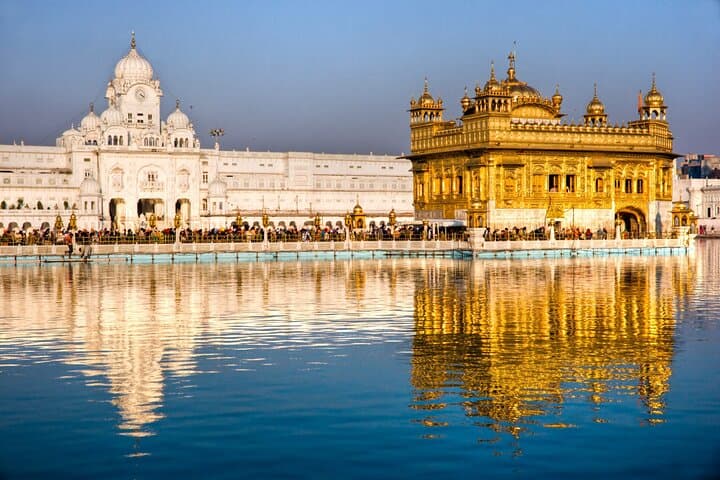
Morning light slides across the marble causeway of Harmandir Sahib as pilgrims drift in and out of the pool that mirrors its gilded face. Kirtan threads through the courtyard; steam and the sharp scent of frying kulcha rise from nearby lanes. This is a city that moves between prayer, history and civic ritual in a single breath.
Morning light slides across the marble causeway of Harmandir Sahib as pilgrims drift in and out of the pool that mirrors its gilded face. Kirtan threads through the courtyard; steam and the sharp scent of frying kulcha rise from nearby lanes. This is a city that moves between prayer, history and civic ritual in a single breath.
Amritsar’s core is 400 years old: the Golden Temple (Harmandir Sahib) was completed in the early 17th century and houses Sikhism’s scripture. Nearby, Jallianwala Bagh holds the preserved walls scarred by the 1919 massacre that altered India’s modern trajectory. The Partition Museum catalogs the upheaval of 1947 with first‑hand accounts, while the Attari‑Wagah border, two dozen kilometers west, stages a daily flag‑lowering that channels national emotion into precise, martial choreography. Food and bazaars thread these sites together — langar kitchens feed thousands daily; Amritsari kulcha and lassi are local signatures.
Practically, expect 5–6 hours on foot and standing: the tour schedules roughly 90 minutes at the Golden Temple, an hour at Jallianwala Bagh, a short museum stop and up to two hours at Wagah for the ceremony. Dress conservatively, cover your head at Sikh shrines, remove shoes and be ready for security checks. Mornings are best at the temple to avoid heat and crowds; Wagah is late afternoon to sunset. Carry water, slip‑resistant shoes and small change for market stops. Guides bridge context and logistics — follow them to navigate queues, sacred etiquette and a full day that shifts from quiet reflection to patriotic spectacle.