THE ADVENTURE COLLECTIVE® · Independent discovery and booking for outdoor travel

Spend a full day speeding from Manaus into the living Amazon: witness the Meeting of Waters, walk among giant lily pads at Janauari Lake, fish for piranha, and search for caimans by night. This eight-hour river loop combines wildlife viewing with local culture and expert guiding.
Spend a full day speeding from Manaus into the living Amazon: witness the Meeting of Waters, walk among giant lily pads at Janauari Lake, fish for piranha, and search for caimans by night. This eight-hour river loop combines wildlife viewing with local culture and expert guiding.
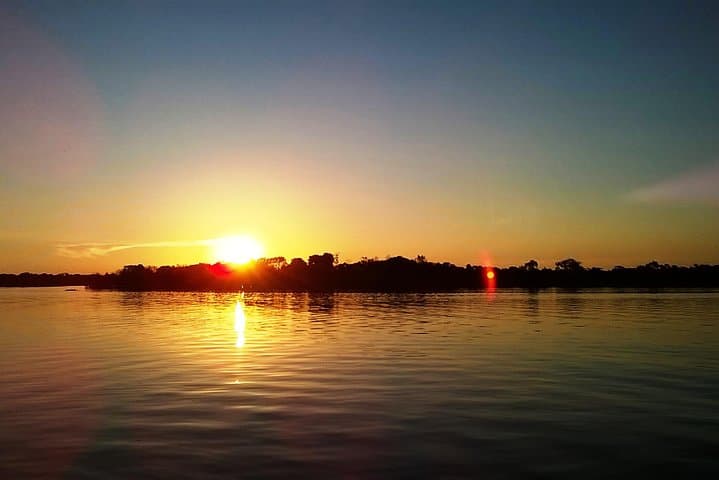
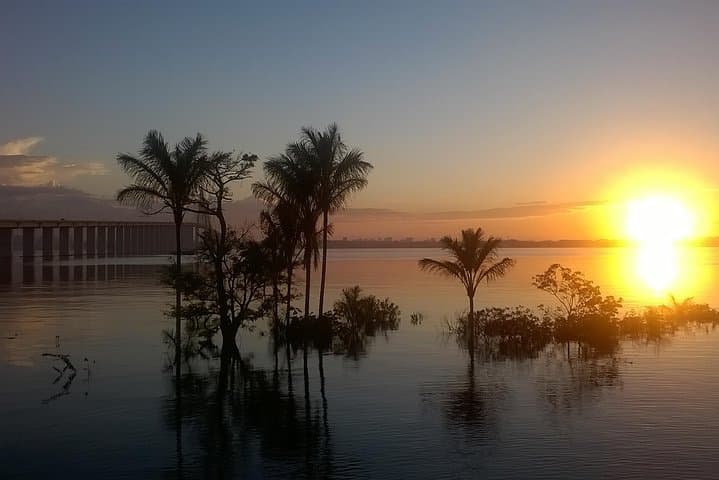
You push off from Manaus at first light and the city rooftops shrink into the slow churn of the Negro River. Wind tries to flatten your hat, and the boat’s bow parts a surface that alternates between black mirror and froth. In one hour the skyline is gone; the world narrows to water, stilt houses, and the green walls of forest that seem to lean in as if to listen.
Verified experiences and guided adventures in the surrounding area.
Operated by Amazon Destinations · Manaus, Amazonas
You push off from Manaus at first light and the city rooftops shrink into the slow churn of the Negro River. Wind tries to flatten your hat, and the boat’s bow parts a surface that alternates between black mirror and froth. In one hour the skyline is gone; the world narrows to water, stilt houses, and the green walls of forest that seem to lean in as if to listen.
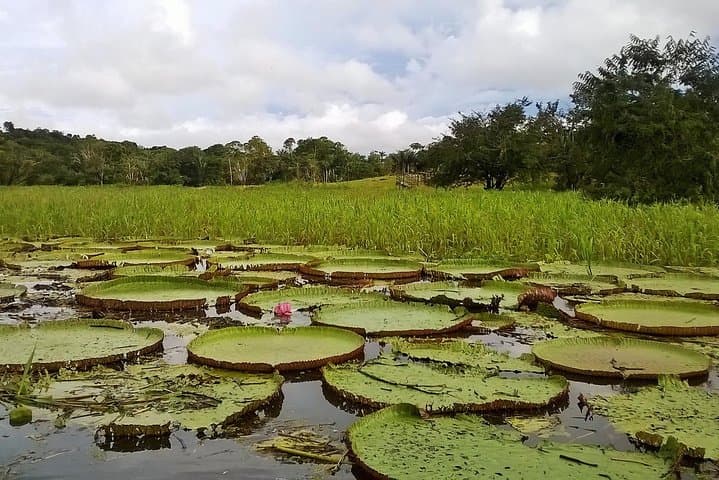
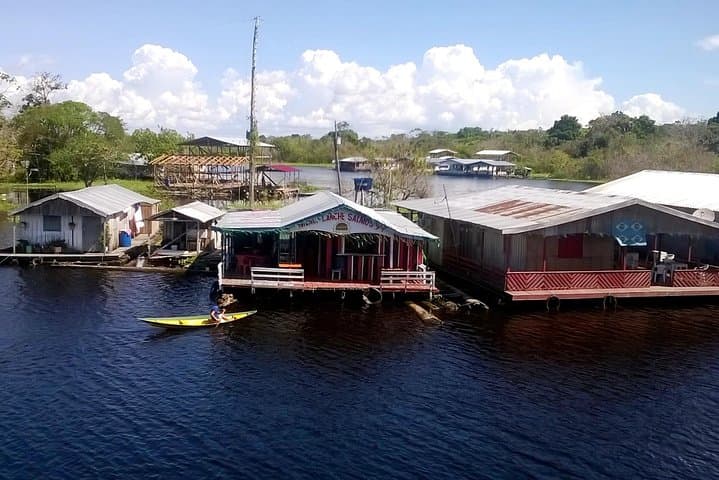
This full-day speedboat tour strings together the Amazon’s most cinematic moments: the Meeting of Waters where the dark Rio Negro runs alongside the sandy-toned Solimões without mixing for kilometers; a flotilla of houses where people live and move with the river’s moods; narrow tributaries that slither into flooded forest; and Janauari Lake, where Victoria amazonica — lily pads wide enough to sit on — fan out like rafts for giant leaves.
The region is shaped by seasonal pulse: between February and August the river rises and opens channels through the igapó (flooded forest), making otherwise hidden pockets accessible. This hydrological rhythm has shaped local life for centuries — subsistence fishing, canoe travel, and the riverside communities whose boat-houses respond to water levels rather than roads. The Meeting of Waters is also a visible chapter in Manaus’s longer story: a rubber-boom port city that once exported latex to power Europe’s industry and now stages eco‑tourism at the forest’s edge.
On the practical side, the day is purposeful and paced. Pickup from Manaus hotels, a series of short stops for photos and village views, then a longer stay at Janauari where a wooden boardwalk guides you around the giant lilies and a riverside restaurant serves regional fare for lunch. In the late afternoon guides set lines for piranha fishing—local technique, quick thrills—and keep eyes peeled for river dolphins riding the boat’s wake. After dinner the speedboat becomes a searchlight; the guide’s beam picks out reflective eyes of caimans and the shapes of owls in the canopy. The operator stresses minimal disturbance: animals are observed, not handled.
Expect an eight-hour day with periods of high sun and humidity, interludes of stillness inside shaded canals, and one or two wet splashes. Bring a light rain shell, insect repellent, sun protection, and non-slip shoes. The boat carries life jackets and bottled water; guides speak English and explain safety and wildlife etiquette. If you’re prone to seasickness, plan ahead—some stretches are smooth, others choppy.
For visitors, this tour is a compact primer to Amazonic landscapes and communities: sensory, instructive, and governed by the river’s timetable. It’s not only about seeing rare species, but learning how people and water move together — and returning to Manaus with a clearer sense of why this river still directs life in the rainforest.
moderate.
8 hours.
Moderate fitness: involves short walks on uneven wooden bridges and getting on/off boats several times.
The tour runs about eight hours and includes hotel pickup, speedboat transport, bottled water, lunch, life jackets, and an English-speaking guide.
The flooded forest and Janauari Lake’s giant lilies are typically accessible from February through August, when river levels are high enough for boat navigation.
Yes—guides use controlled lighting and keep a safe distance; animals are observed and released when necessary to minimize impact.
There is a restroom at the riverside restaurant at Janauari Lake; on-boat options are limited, so plan accordingly.
Children are welcome but infants must sit on an adult’s lap and the operator notes the activity isn’t recommended for travelers with spinal injuries.
River dolphin sightings are common but not guaranteed; guides know local dolphin hotspots and sightings are more likely during calm, mid-afternoon stretches.
The Meeting of Waters is a visible hydrological boundary near Manaus; the city later became wealthy during the late 19th-century rubber boom, which shaped regional architecture and trade.
Guides emphasize no-feeding wildlife, catch-and-release piranha fishing, and keeping noise and light to a minimum to reduce disturbance to nocturnal species.
Amazon Destinations operates guided outdoor trips and adventures with an emphasis on safety, stewardship, and memorable experiences.
You push off from Manaus at first light and the city rooftops shrink into the slow churn of the Negro River. Wind tries to flatten your hat, and the boat’s bow parts a surface that alternates between black mirror and froth. In one hour the skyline is gone; the world narrows to water, stilt houses, and the green walls of forest that seem to lean in as if to listen.
You push off from Manaus at first light and the city rooftops shrink into the slow churn of the Negro River. Wind tries to flatten your hat, and the boat’s bow parts a surface that alternates between black mirror and froth. In one hour the skyline is gone; the world narrows to water, stilt houses, and the green walls of forest that seem to lean in as if to listen.
This full-day speedboat tour strings together the Amazon’s most cinematic moments: the Meeting of Waters where the dark Rio Negro runs alongside the sandy-toned Solimões without mixing for kilometers; a flotilla of houses where people live and move with the river’s moods; narrow tributaries that slither into flooded forest; and Janauari Lake, where Victoria amazonica — lily pads wide enough to sit on — fan out like rafts for giant leaves.
The region is shaped by seasonal pulse: between February and August the river rises and opens channels through the igapó (flooded forest), making otherwise hidden pockets accessible. This hydrological rhythm has shaped local life for centuries — subsistence fishing, canoe travel, and the riverside communities whose boat-houses respond to water levels rather than roads. The Meeting of Waters is also a visible chapter in Manaus’s longer story: a rubber-boom port city that once exported latex to power Europe’s industry and now stages eco‑tourism at the forest’s edge.
On the practical side, the day is purposeful and paced. Pickup from Manaus hotels, a series of short stops for photos and village views, then a longer stay at Janauari where a wooden boardwalk guides you around the giant lilies and a riverside restaurant serves regional fare for lunch. In the late afternoon guides set lines for piranha fishing—local technique, quick thrills—and keep eyes peeled for river dolphins riding the boat’s wake. After dinner the speedboat becomes a searchlight; the guide’s beam picks out reflective eyes of caimans and the shapes of owls in the canopy. The operator stresses minimal disturbance: animals are observed, not handled.
Expect an eight-hour day with periods of high sun and humidity, interludes of stillness inside shaded canals, and one or two wet splashes. Bring a light rain shell, insect repellent, sun protection, and non-slip shoes. The boat carries life jackets and bottled water; guides speak English and explain safety and wildlife etiquette. If you’re prone to seasickness, plan ahead—some stretches are smooth, others choppy.
For visitors, this tour is a compact primer to Amazonic landscapes and communities: sensory, instructive, and governed by the river’s timetable. It’s not only about seeing rare species, but learning how people and water move together — and returning to Manaus with a clearer sense of why this river still directs life in the rainforest.