THE ADVENTURE COLLECTIVE® · Independent discovery and booking for outdoor travel

Spend a full day exploring Al Ain’s oasis, historic forts, camel market and Jebel Hafeet. This guided tour blends outdoor viewpoints, cultural sites and local traditions into a single, accessible itinerary.
Spend a full day exploring Al Ain’s oasis, historic forts, camel market and Jebel Hafeet. This guided tour blends outdoor viewpoints, cultural sites and local traditions into a single, accessible itinerary.
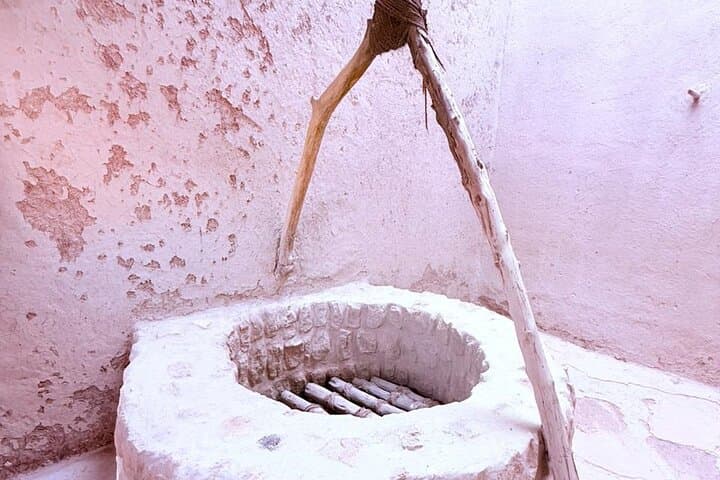
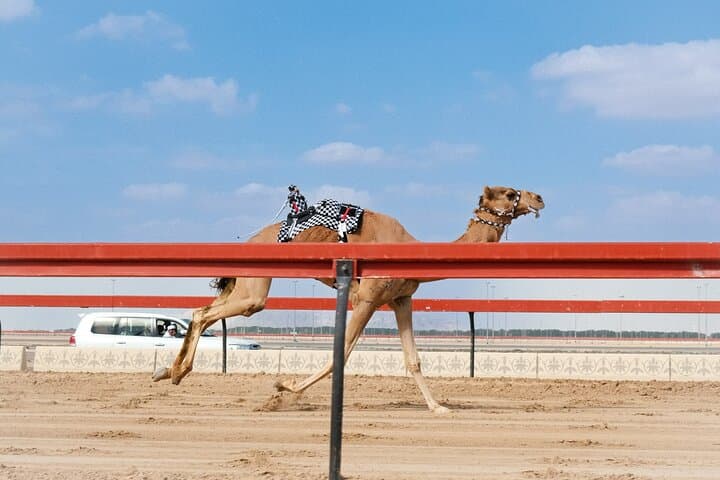
You step out of the air-conditioned minivan into a dry wind that carries the smell of date palm and sun-baked earth. The city opens in terraces of palms and low, pale mud-brick walls; Jebel Hafeet looms to the south, its flanks etched with a winding 11‑km road that climbs to 1,240 m. The day moves between living traditions—the clack of camel hooves at Al Wathba and the shouts of traders at the Camel Market—and cooler, shaded pockets like Al Ain Oasis where falaj irrigation still feeds rows of date palms.
Verified experiences and guided adventures in the surrounding area.
Operated by tripsync global tourism · Al Ain, Abu Dhabi
You step out of the air-conditioned minivan into a dry wind that carries the smell of date palm and sun-baked earth. The city opens in terraces of palms and low, pale mud-brick walls; Jebel Hafeet looms to the south, its flanks etched with a winding 11‑km road that climbs to 1,240 m. The day moves between living traditions—the clack of camel hooves at Al Wathba and the shouts of traders at the Camel Market—and cooler, shaded pockets like Al Ain Oasis where falaj irrigation still feeds rows of date palms.
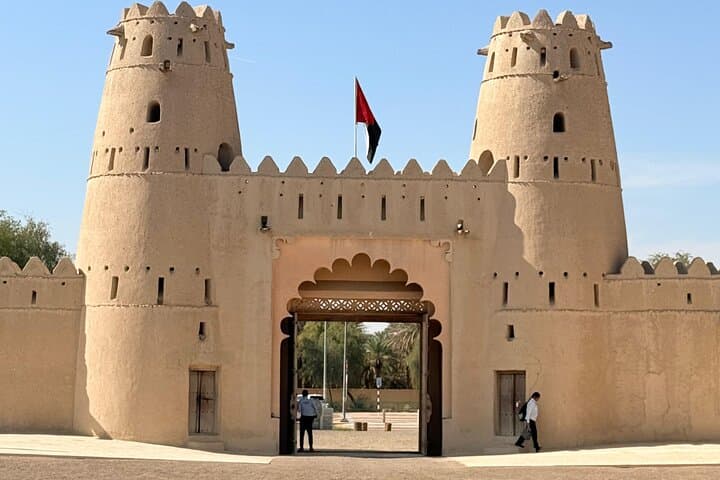
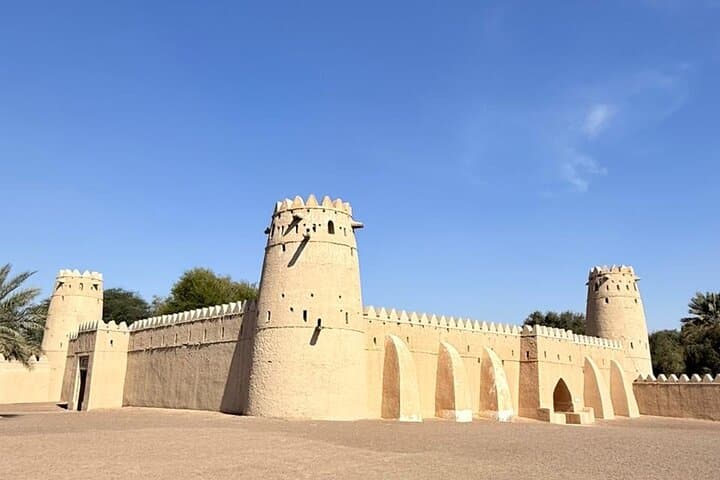
Al Ain’s built landscape reflects centuries of desert adaptation: Al Jahili Fort (1891) and Qasr Al Muwaiji speak to regional leadership and defensive architecture, while the oasis preserves an ancient water-management system recognized by UNESCO. Geologically, Jebel Hafeet is Eocene limestone; its terraces and tombs reveal Bronze Age occupants and support a hardy, high-desert ecology.
Practical guidance: this is a full 9–10 hour day with multiple short walks and photo stops. Start early to beat heat at the camel market and mountain viewpoints. Wear sun protection and modest clothing for mosque and museum visits; comfortable shoes are useful for uneven courtyard and trail surfaces. Hydrate frequently—bottled water is typically provided—carry a light layer for cooler mountain viewpoints, and allow time for short guided exhibits inside forts and museums.
The route balances cultural insight with accessible outdoor moments—perfect for travelers who want one intensive day of Emirati history, desert landscapes, and hands-on cultural encounters.
easy.
9–10 hours.
Light fitness required: able to walk short paved and unpaved sections and manage a full day with several stops
Yes; the itinerary is family-friendly with short, supervised stops, though infants may need to sit on laps and parents should monitor sun exposure.
Entrance fees for listed sites and bottled water are typically included in the tour price—confirm at booking for any site-specific surcharges.
Mosques allow visitors at set times with a modest dress code; women should bring a headscarf and everyone should be respectful of prayer times and signage.
Many sites on this tour provide wheelchair access and accessible transport, but some older fort sections and uneven trails may be limited—check with the operator about specific mobility needs.
Al Ain’s falaj irrigation and oasis agriculture enabled settlement for millennia; forts like Al Jahili and Qasr Al Muwaiji reflect late 19th–20th century leadership and regional defense.
The oasis is a protected cultural landscape—visitors should stay on boardwalks, conserve water, and avoid disturbing wildlife to help preserve fragile desert resources.
tripsync global tourism operates guided outdoor trips and adventures with an emphasis on safety, stewardship, and memorable experiences.
You step out of the air-conditioned minivan into a dry wind that carries the smell of date palm and sun-baked earth. The city opens in terraces of palms and low, pale mud-brick walls; Jebel Hafeet looms to the south, its flanks etched with a winding 11‑km road that climbs to 1,240 m. The day moves between living traditions—the clack of camel hooves at Al Wathba and the shouts of traders at the Camel Market—and cooler, shaded pockets like Al Ain Oasis where falaj irrigation still feeds rows of date palms.
You step out of the air-conditioned minivan into a dry wind that carries the smell of date palm and sun-baked earth. The city opens in terraces of palms and low, pale mud-brick walls; Jebel Hafeet looms to the south, its flanks etched with a winding 11‑km road that climbs to 1,240 m. The day moves between living traditions—the clack of camel hooves at Al Wathba and the shouts of traders at the Camel Market—and cooler, shaded pockets like Al Ain Oasis where falaj irrigation still feeds rows of date palms.
Al Ain’s built landscape reflects centuries of desert adaptation: Al Jahili Fort (1891) and Qasr Al Muwaiji speak to regional leadership and defensive architecture, while the oasis preserves an ancient water-management system recognized by UNESCO. Geologically, Jebel Hafeet is Eocene limestone; its terraces and tombs reveal Bronze Age occupants and support a hardy, high-desert ecology.
Practical guidance: this is a full 9–10 hour day with multiple short walks and photo stops. Start early to beat heat at the camel market and mountain viewpoints. Wear sun protection and modest clothing for mosque and museum visits; comfortable shoes are useful for uneven courtyard and trail surfaces. Hydrate frequently—bottled water is typically provided—carry a light layer for cooler mountain viewpoints, and allow time for short guided exhibits inside forts and museums.
The route balances cultural insight with accessible outdoor moments—perfect for travelers who want one intensive day of Emirati history, desert landscapes, and hands-on cultural encounters.