THE ADVENTURE COLLECTIVE® · Independent discovery and booking for outdoor travel

Spend a full day exploring Al Ain’s forts, palm oases and the summit road of Jebel Hafeet on a guided tour from Dubai. This accessible cultural route mixes archaeology, living crafts and desert landscapes with practical stops for lunch and photos.
Spend a full day exploring Al Ain’s forts, palm oases and the summit road of Jebel Hafeet on a guided tour from Dubai. This accessible cultural route mixes archaeology, living crafts and desert landscapes with practical stops for lunch and photos.
Drive out of Dubai as the highway flattens into ochre plains and, an hour or two later, the silhouette of the Hajar foothills rises ahead — Al Ain appears like an old-world city grown from the desert.
Verified experiences and guided adventures in the surrounding area.
Operated by Tours By Rafiq Tourism LLC · Al Ain, Abu Dhabi
Drive out of Dubai as the highway flattens into ochre plains and, an hour or two later, the silhouette of the Hajar foothills rises ahead — Al Ain appears like an old-world city grown from the desert.
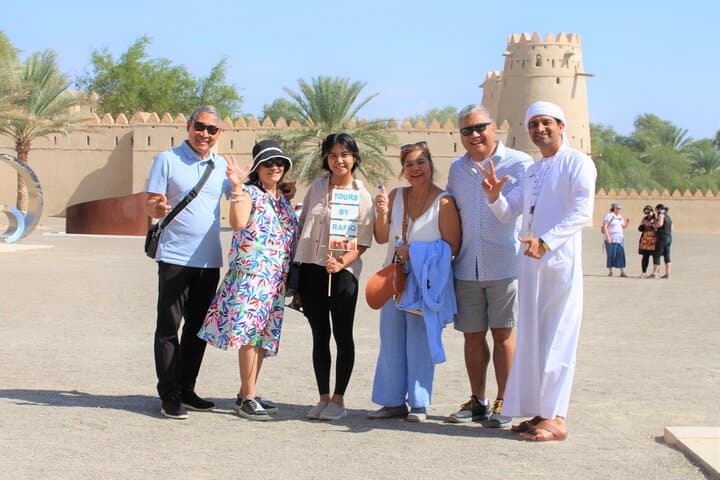
The day begins in fortified courtyards: Qasr Al Muwaiji and Al Jahili Fort offer mud-brick walls, watchtowers and exhibits that trace the region’s Bedouin roots and the modern dynasty that shaped the UAE. The guide frames each exhibit with practical context — who lived here, why falaj irrigation mattered, and how camel trade once linked settlements across the sands.
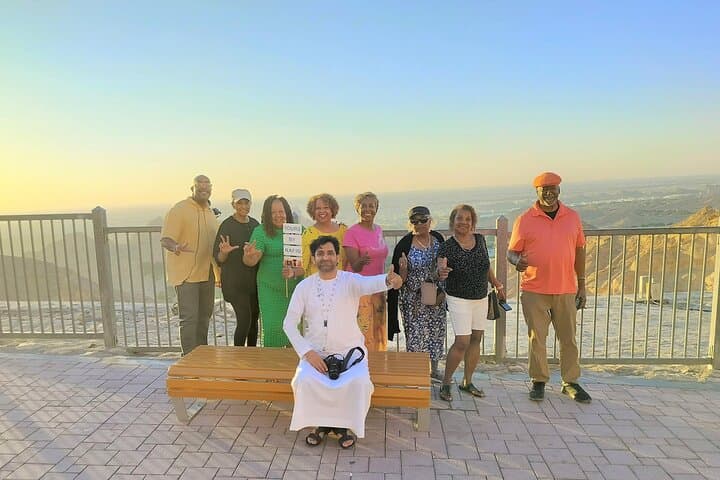
Geology is visible in the landscape: the Hajar range’s folded limestone lifts at Jebel Hafeet, where a late-afternoon drive rewards with a sweeping panorama that makes the desert feel deliberate and alive. In the oasis groves, date palms channel ancient falaj channels, green veins crossing the arid plain.
Culturally, Al Ain balances tribal tradition, royal heritage and contemporary arts; Al Qattara Arts Centre sits in a restored mud-brick house where pottery and calligraphy workshops demonstrate living crafts.
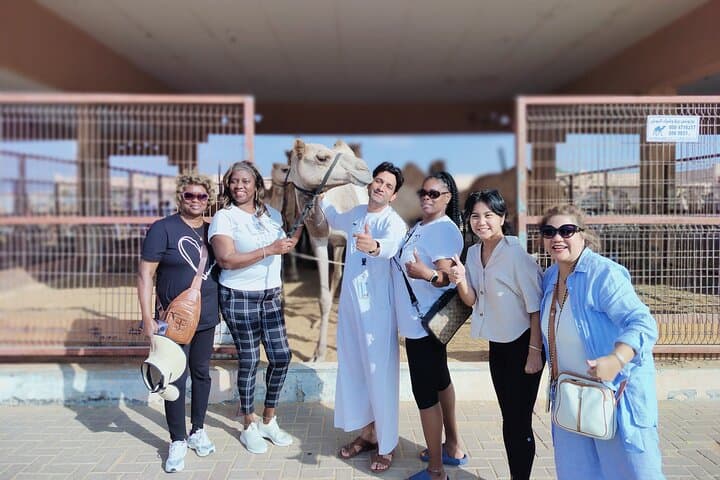
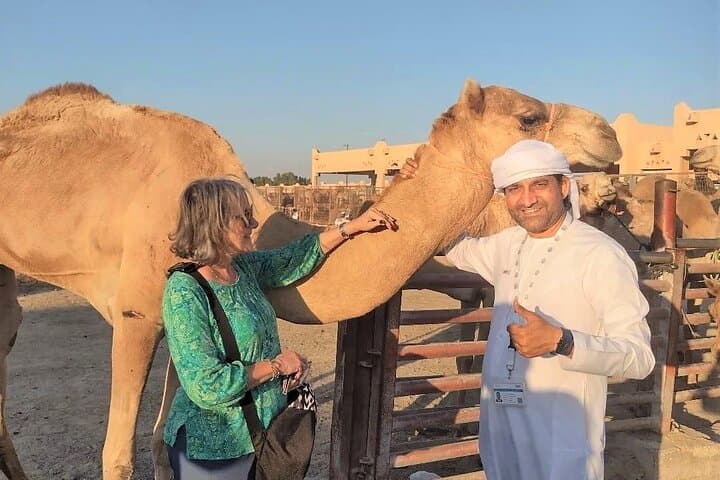
Practically, expect a full 8–10 hour itinerary with several short walks, museum visits and one buffet lunch stop. Wear breathable fabrics and sturdy walking shoes; modest dress is required in religious sites. Bring sun protection and a refillable bottle — bottled water is widely available but midday heat can be sharp. Photography is welcome at most spots but ask before shooting inside cultural centers or photographing people at the camel market.
This tour is low-impact in effort but rich in context: it’s best for travelers who want concentrated cultural insight with accessible outdoor moments and a final, cinematic mountain viewpoint.
easy.
8–10 hours.
Suitable for most fitness levels; involves short walks and some standing during museum visits.
Yes — standard bookings include hotel pickup in Dubai; pickups from other emirates can be arranged for an extra fee.
Many sites on the itinerary have wheelchair-accessible areas and the vehicle is wheelchair friendly, but some historic buildings have uneven surfaces or steps.
The itinerary includes a lunch stop at a hotel buffet; specify dietary needs when booking to accommodate restrictions.
Photographs are permitted in public areas; ask permission before photographing traders or close-up animal portraits out of respect.
Al Ain is one of the oldest permanently inhabited settlements in the region; its falaj irrigation system and oasis agriculture shaped settlement patterns for millennia and contributed to its UNESCO World Heritage listing.
Visitors should stick to marked paths in the oasis to protect ancient irrigation channels and avoid feeding or disturbing wildlife; responsible tourism supports local conservation and heritage preservation.
Tours By Rafiq Tourism LLC operates guided outdoor trips and adventures with an emphasis on safety, stewardship, and memorable experiences.
Drive out of Dubai as the highway flattens into ochre plains and, an hour or two later, the silhouette of the Hajar foothills rises ahead — Al Ain appears like an old-world city grown from the desert.
Drive out of Dubai as the highway flattens into ochre plains and, an hour or two later, the silhouette of the Hajar foothills rises ahead — Al Ain appears like an old-world city grown from the desert.
The day begins in fortified courtyards: Qasr Al Muwaiji and Al Jahili Fort offer mud-brick walls, watchtowers and exhibits that trace the region’s Bedouin roots and the modern dynasty that shaped the UAE. The guide frames each exhibit with practical context — who lived here, why falaj irrigation mattered, and how camel trade once linked settlements across the sands.
Geology is visible in the landscape: the Hajar range’s folded limestone lifts at Jebel Hafeet, where a late-afternoon drive rewards with a sweeping panorama that makes the desert feel deliberate and alive. In the oasis groves, date palms channel ancient falaj channels, green veins crossing the arid plain.
Culturally, Al Ain balances tribal tradition, royal heritage and contemporary arts; Al Qattara Arts Centre sits in a restored mud-brick house where pottery and calligraphy workshops demonstrate living crafts.
Practically, expect a full 8–10 hour itinerary with several short walks, museum visits and one buffet lunch stop. Wear breathable fabrics and sturdy walking shoes; modest dress is required in religious sites. Bring sun protection and a refillable bottle — bottled water is widely available but midday heat can be sharp. Photography is welcome at most spots but ask before shooting inside cultural centers or photographing people at the camel market.
This tour is low-impact in effort but rich in context: it’s best for travelers who want concentrated cultural insight with accessible outdoor moments and a final, cinematic mountain viewpoint.