THE ADVENTURE COLLECTIVE® · Independent discovery and booking for outdoor travel

A single full day that pairs Akchour’s limestone gorges and waterfalls with the indigo alleys of Chefchaouen. Expect riverside hikes, moderate climbs and a cultural stroll through the blue medina.
A single full day that pairs Akchour’s limestone gorges and waterfalls with the indigo alleys of Chefchaouen. Expect riverside hikes, moderate climbs and a cultural stroll through the blue medina.
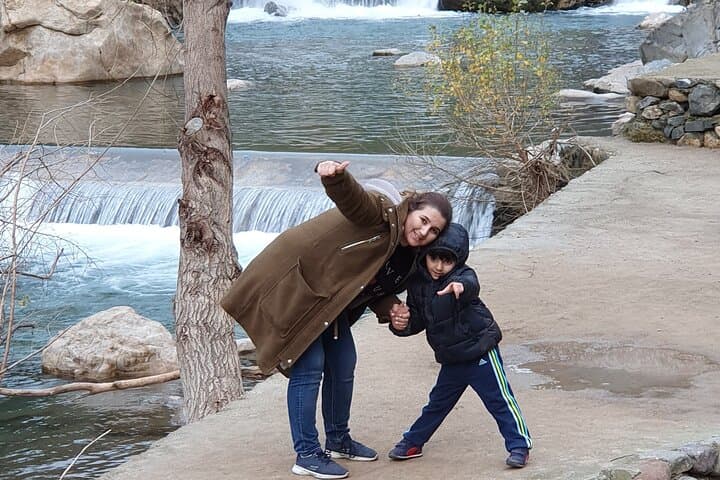
You step out of the van where the Rif mountains tilt toward the Mediterranean — gravel crunches underfoot, a cool river voice threads through the gorge and the path climbs toward the Bridge of God. Early light filters through cork and holm oaks while distant cliffs throw back the steady slap of waterfalls; monkeys can be seen moving like punctuation along rocky ledges.
Verified experiences and guided adventures in the surrounding area.
Operated by VisitMorocco.Travel · Chefchaouen, Tanger-Tetouan-Al Hoceima
You step out of the van where the Rif mountains tilt toward the Mediterranean — gravel crunches underfoot, a cool river voice threads through the gorge and the path climbs toward the Bridge of God. Early light filters through cork and holm oaks while distant cliffs throw back the steady slap of waterfalls; monkeys can be seen moving like punctuation along rocky ledges.
Akchour's landscape is young on a geological timescale: folded limestone and sandstone carved by rivers into narrow gorges, natural bridges and plunge pools. Nearby Chefchaouen was founded in the 15th century by Moorish refugees and later became known for its indigo-washed medina; its narrow alleys and textile workshops reflect Andalusian and Berber craft traditions.
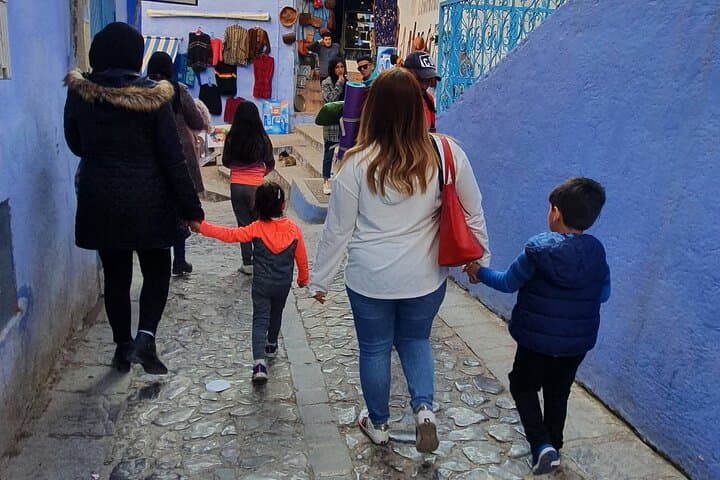
The day pairs two experiences: a roughly 2–4 hour hike in Akchour with stream crossings and moderate elevation change, then a 2–3 hour cultural stroll through Chefchaouen’s Outa Hammam, Ras El Ma spring and Kasbah. Expect mixed terrain — dirt trails, uneven stone steps and cobbled streets — and a sensory shift from forested canyon to sun-bleached blue facades.
Practical guidance: start early to avoid heat, wear grippy shoes for wet rock and bring at least 1.5–2 liters of water. Local guides and small vans make the route efficient; respect mosque hours and modest dress in the medina. Combine sturdy footwear, sun protection and layered clothing for a comfortable full-day of hiking, photography and market browsing.
moderate.
11–12 hours.
Moderate cardiovascular fitness and the ability to handle several hours of walking with some elevation gain.
The ride is about 1–1.5 hours each way depending on traffic and the coastal route, with stops en route for views.
The main Akchour route is moderate: uneven paths, short steep sections and river crossings but no technical climbing.
Tours commonly include bottled water and snacks; check the tour’s inclusion list for sodas or meals and bring extra if you have dietary needs.
Local guides typically speak Arabic and French; many also speak Spanish or English on tourist routes—confirm at booking.
Chefchaouen was founded in 1471 by Moorish and Andalusian exiles and later became a hilltop market and artisan center; the Rif’s geology reflects uplifted sedimentary layers sculpted by rivers.
Stick to established trails to limit erosion and avoid swimming in fragile pools when signage prohibits it; do not feed wildlife and carry out waste to protect local ecosystems.
VisitMorocco.Travel operates guided outdoor trips and adventures with an emphasis on safety, stewardship, and memorable experiences.
You step out of the van where the Rif mountains tilt toward the Mediterranean — gravel crunches underfoot, a cool river voice threads through the gorge and the path climbs toward the Bridge of God. Early light filters through cork and holm oaks while distant cliffs throw back the steady slap of waterfalls; monkeys can be seen moving like punctuation along rocky ledges.
You step out of the van where the Rif mountains tilt toward the Mediterranean — gravel crunches underfoot, a cool river voice threads through the gorge and the path climbs toward the Bridge of God. Early light filters through cork and holm oaks while distant cliffs throw back the steady slap of waterfalls; monkeys can be seen moving like punctuation along rocky ledges.
Akchour's landscape is young on a geological timescale: folded limestone and sandstone carved by rivers into narrow gorges, natural bridges and plunge pools. Nearby Chefchaouen was founded in the 15th century by Moorish refugees and later became known for its indigo-washed medina; its narrow alleys and textile workshops reflect Andalusian and Berber craft traditions.
The day pairs two experiences: a roughly 2–4 hour hike in Akchour with stream crossings and moderate elevation change, then a 2–3 hour cultural stroll through Chefchaouen’s Outa Hammam, Ras El Ma spring and Kasbah. Expect mixed terrain — dirt trails, uneven stone steps and cobbled streets — and a sensory shift from forested canyon to sun-bleached blue facades.
Practical guidance: start early to avoid heat, wear grippy shoes for wet rock and bring at least 1.5–2 liters of water. Local guides and small vans make the route efficient; respect mosque hours and modest dress in the medina. Combine sturdy footwear, sun protection and layered clothing for a comfortable full-day of hiking, photography and market browsing.