THE ADVENTURE COLLECTIVE® · Independent discovery and booking for outdoor travel

A full-day 9–12 hour safari from Kigali into Akagera National Park pairs long game drives with an optional Lake Ihema boat trip. Expect elephants, hippos, buffalo and robust birdlife—plus practical guidance for a long, rewarding day in Rwanda’s eastern lowlands.
A full-day 9–12 hour safari from Kigali into Akagera National Park pairs long game drives with an optional Lake Ihema boat trip. Expect elephants, hippos, buffalo and robust birdlife—plus practical guidance for a long, rewarding day in Rwanda’s eastern lowlands.
The sun lifts slowly over eastern Rwanda as your 4x4 rolls onto the dusty road toward Akagera National Park, the savannah stretching out like a challenge ahead. Early light picks out giraffe silhouettes against the ridgeline while the car hums toward Lake Ihema, where hippos rise like sleeping islands and the water dares you to draw closer.
Verified experiences and guided adventures in the surrounding area.
Operated by 1000 Hills Safaris · Kayonza, Eastern Province
The sun lifts slowly over eastern Rwanda as your 4x4 rolls onto the dusty road toward Akagera National Park, the savannah stretching out like a challenge ahead. Early light picks out giraffe silhouettes against the ridgeline while the car hums toward Lake Ihema, where hippos rise like sleeping islands and the water dares you to draw closer.
Akagera occupies Rwanda’s eastern lowlands, a mix of grassland, acacia-dotted savannah and wetlands carved by rift valleys. The park was gazetted in the mid-20th century and has seen active conservation work in recent years—elephants, buffalo and reintroduced lions now share space with resident crocodiles and a rich birdlife. Culturally, the park sits at the crossroads of farming communities whose history is woven into local efforts to balance tourism and land use.
On a typical 9–12 hour day trip from Kigali expect a long morning drive (about 2.5 hours), a multi-hour game drive in a windowed 4x4, and the option of a boat trip on Lake Ihema to watch hippos and waterbirds at close range. Terrain is mostly vehicle-accessible gravel and grass tracks; sightings depend on season and luck. Practical notes: start early, carry sun protection and binoculars, and be prepared for a full day with limited shade.
Respect park rules, keep distance from wildlife, and consider booking a guide who knows recent sighting areas. The trip is ideal for travellers wanting a concentrated safari experience without overnight logistics—expect big mammals, open views and the river voice of a park that still feels newly wild.
easy.
9–12 hours.
Suitable for most fitness levels; long periods seated in a vehicle and ability to climb into a safari vehicle required
The park is about a 2–2.5 hour drive from central Kigali depending on traffic and route, so expect an early start and a full day away.
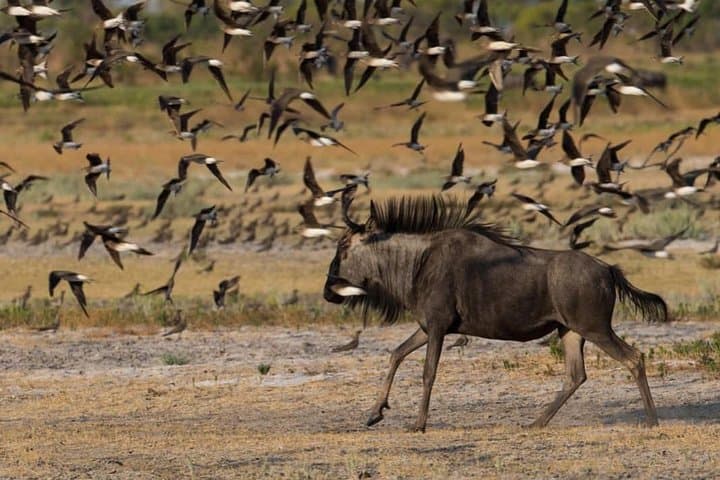
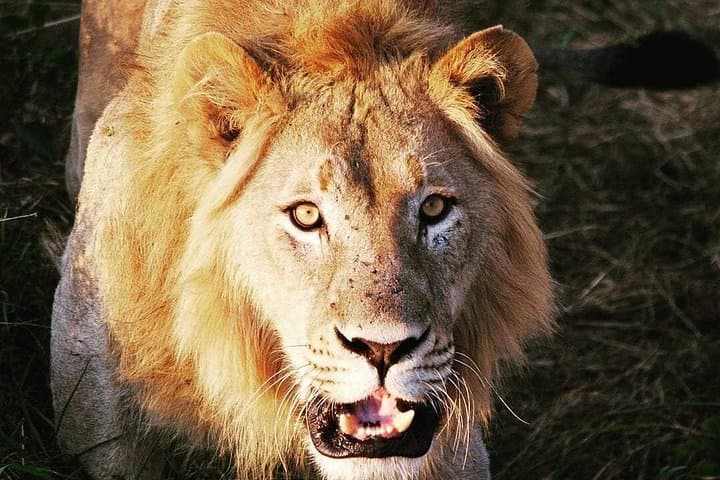
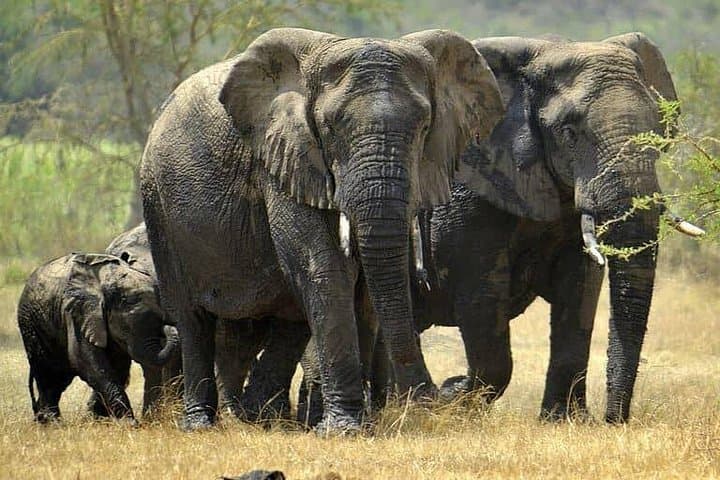
Elephants and plains species like zebra, buffalo and giraffe are commonly seen; lions were reintroduced and sightings are possible but not guaranteed on a single-day drive.
Boat trips are guided and generally safe—follow crew instructions, keep limbs inside the boat, and expect close views of hippos and crocodiles from a respectful distance.
Visitors should check current entry and health requirements—yellow fever vaccination is required for some travelers and visas can often be obtained online or on arrival depending on nationality.
Akagera was gazetted in the mid-20th century and has undergone restoration and species reintroductions in recent decades, including lions and buffalo to rebuild populations.
Restoration efforts by park authorities and partners focus on anti-poaching, community engagement and reintroductions; visitors support conservation through park fees and responsible behavior.
1000 Hills Safaris operates guided outdoor trips and adventures with an emphasis on safety, stewardship, and memorable experiences.

The sun lifts slowly over eastern Rwanda as your 4x4 rolls onto the dusty road toward Akagera National Park, the savannah stretching out like a challenge ahead. Early light picks out giraffe silhouettes against the ridgeline while the car hums toward Lake Ihema, where hippos rise like sleeping islands and the water dares you to draw closer.
The sun lifts slowly over eastern Rwanda as your 4x4 rolls onto the dusty road toward Akagera National Park, the savannah stretching out like a challenge ahead. Early light picks out giraffe silhouettes against the ridgeline while the car hums toward Lake Ihema, where hippos rise like sleeping islands and the water dares you to draw closer.
Akagera occupies Rwanda’s eastern lowlands, a mix of grassland, acacia-dotted savannah and wetlands carved by rift valleys. The park was gazetted in the mid-20th century and has seen active conservation work in recent years—elephants, buffalo and reintroduced lions now share space with resident crocodiles and a rich birdlife. Culturally, the park sits at the crossroads of farming communities whose history is woven into local efforts to balance tourism and land use.
On a typical 9–12 hour day trip from Kigali expect a long morning drive (about 2.5 hours), a multi-hour game drive in a windowed 4x4, and the option of a boat trip on Lake Ihema to watch hippos and waterbirds at close range. Terrain is mostly vehicle-accessible gravel and grass tracks; sightings depend on season and luck. Practical notes: start early, carry sun protection and binoculars, and be prepared for a full day with limited shade.
Respect park rules, keep distance from wildlife, and consider booking a guide who knows recent sighting areas. The trip is ideal for travellers wanting a concentrated safari experience without overnight logistics—expect big mammals, open views and the river voice of a park that still feels newly wild.