THE ADVENTURE COLLECTIVE® · Independent discovery and booking for outdoor travel

Head out from Kigali before dawn for a full-day Akagera game drive that combines savannah, wetlands and reintroduced megafauna. Expect long drives, sustained wildlife viewing, and a conservation-focused safari experience with lunch included.
Head out from Kigali before dawn for a full-day Akagera game drive that combines savannah, wetlands and reintroduced megafauna. Expect long drives, sustained wildlife viewing, and a conservation-focused safari experience with lunch included.
Dawn breaks over Rwanda’s eastern plains as the 4x4 slides out of Kigali, headlights cutting a path through rolling farmland toward Akagera National Park. By the time the tar turns to red track the air has sharpened; a distant line of acacia crowns marks the savannah and the first giraffes are backlit like slow-moving sculptures.
Verified experiences and guided adventures in the surrounding area.
Operated by 1000 Hills Safaris · Kayonza, Eastern Province
Dawn breaks over Rwanda’s eastern plains as the 4x4 slides out of Kigali, headlights cutting a path through rolling farmland toward Akagera National Park. By the time the tar turns to red track the air has sharpened; a distant line of acacia crowns marks the savannah and the first giraffes are backlit like slow-moving sculptures.
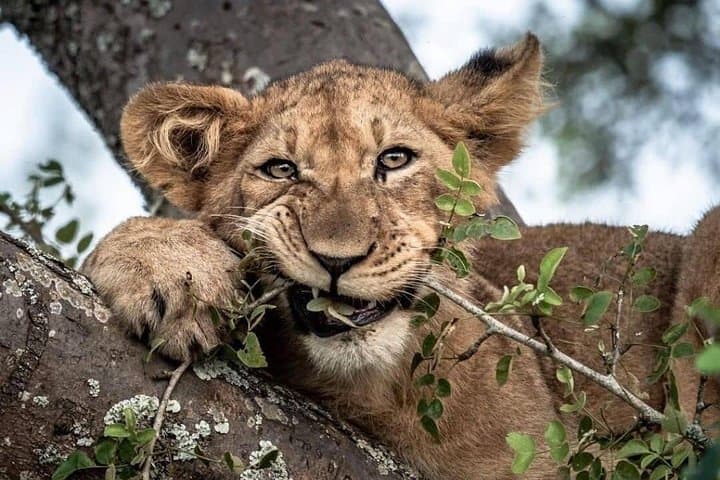
Akagera occupies a mix of savannah, wetlands and gallery forest along the eastern border with Tanzania. Created in the 1930s, the park’s lakes and marshes—most notably Lake Ihema—are products of tectonic rifts that shaped the region’s drainage. In recent decades Akagera has been central to Rwanda’s conservation story: lions and rhinos have been reintroduced and intensive anti-poaching programs have reshaped wildlife dynamics and community relations.
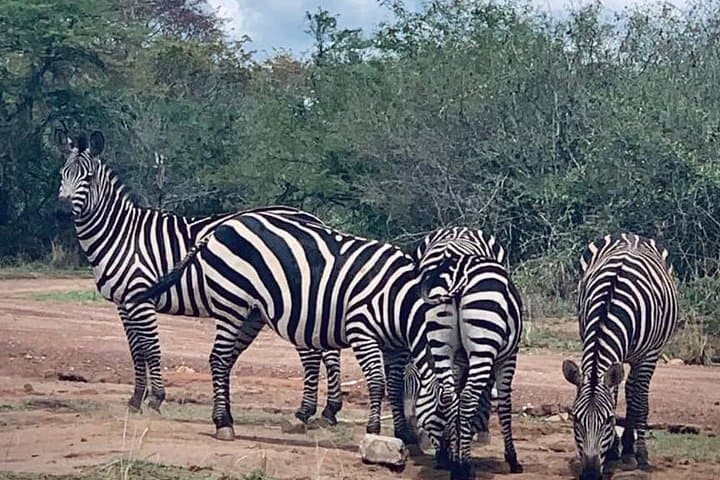
Culturally, the drive out of Kigali highlights Rwanda’s patchwork of hill farms and tea estates before opening into the flat, animal-rich plains where buffalo graze and zebras move in linear bands. Expect long glassing sessions; the ecosystem favors visibility rather than dense forest concealment.
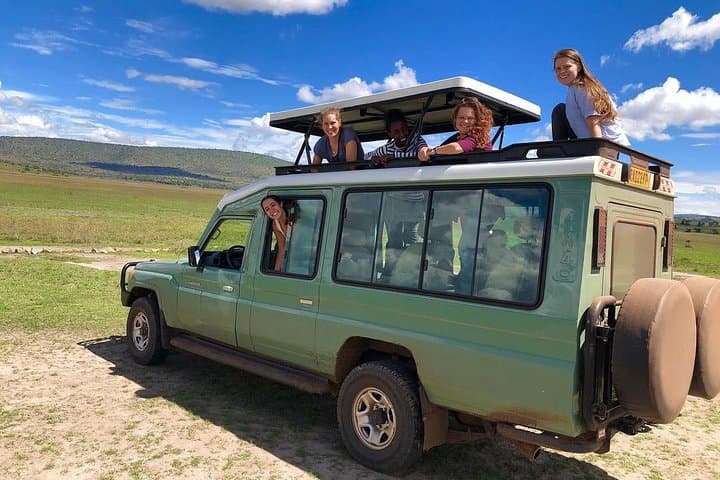
Practical guidance: plan for a very early pickup (around 5:30 a.m.), a 2–2.5 hour drive each way, and 5–6 hours of game driving in the park. Wear layered clothing for cool mornings and hot midday sun, carry binoculars and a camera with a long lens, and bring cash for park fees or tips only if not prepaid. A boxed lunch and bottled water are included, but bring extra snacks and sun protection. Vehicles are typically air-conditioned 4x4s with experienced guides—stay patient and quiet for the best wildlife encounters.
easy.
10–12 hours.
Suitable for most fitness levels; you should be able to sit in a vehicle for long periods and handle short walks on uneven ground.
The drive is approximately 2 to 2.5 hours each way depending on traffic and your pickup location in Kigali.
Akagera has elephants, lions, buffalo and recently reintroduced rhinos and leopards, but sightings depend on luck, season and animal movement—no guarantee on a single-day trip.
This tour includes lunch and bottled water; verify whether park entrance fees are covered at booking or paid locally.
The operator notes the trip is suitable for most fitness levels but does not recommend it for pregnant travelers; check age limits with the provider before booking.
Established in the 1930s, Akagera has undergone major restoration in the 21st century, including anti-poaching initiatives and the reintroduction of lions and rhinos.
Conservation here is active—community partnerships and ranger patrols reduced poaching and enabled species reintroductions; visitors are encouraged to minimize disturbance and support local operators.
1000 Hills Safaris operates guided outdoor trips and adventures with an emphasis on safety, stewardship, and memorable experiences.
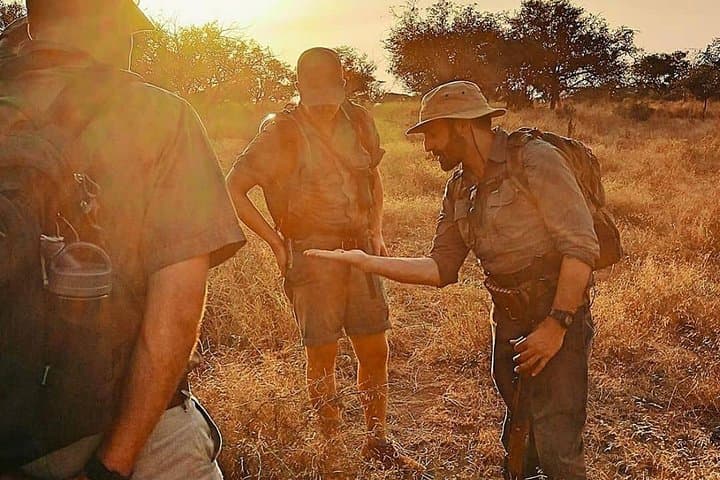
Dawn breaks over Rwanda’s eastern plains as the 4x4 slides out of Kigali, headlights cutting a path through rolling farmland toward Akagera National Park. By the time the tar turns to red track the air has sharpened; a distant line of acacia crowns marks the savannah and the first giraffes are backlit like slow-moving sculptures.
Dawn breaks over Rwanda’s eastern plains as the 4x4 slides out of Kigali, headlights cutting a path through rolling farmland toward Akagera National Park. By the time the tar turns to red track the air has sharpened; a distant line of acacia crowns marks the savannah and the first giraffes are backlit like slow-moving sculptures.
Akagera occupies a mix of savannah, wetlands and gallery forest along the eastern border with Tanzania. Created in the 1930s, the park’s lakes and marshes—most notably Lake Ihema—are products of tectonic rifts that shaped the region’s drainage. In recent decades Akagera has been central to Rwanda’s conservation story: lions and rhinos have been reintroduced and intensive anti-poaching programs have reshaped wildlife dynamics and community relations.
Culturally, the drive out of Kigali highlights Rwanda’s patchwork of hill farms and tea estates before opening into the flat, animal-rich plains where buffalo graze and zebras move in linear bands. Expect long glassing sessions; the ecosystem favors visibility rather than dense forest concealment.
Practical guidance: plan for a very early pickup (around 5:30 a.m.), a 2–2.5 hour drive each way, and 5–6 hours of game driving in the park. Wear layered clothing for cool mornings and hot midday sun, carry binoculars and a camera with a long lens, and bring cash for park fees or tips only if not prepaid. A boxed lunch and bottled water are included, but bring extra snacks and sun protection. Vehicles are typically air-conditioned 4x4s with experienced guides—stay patient and quiet for the best wildlife encounters.