THE ADVENTURE COLLECTIVE® · Independent discovery and booking for outdoor travel

Spend a compact six hours exploring east Crete’s highlights—Elounda’s vistas, a boat visit to historic Spinalonga, a swim at Plaka, the Voulismeni lagoon in Agios Nikolaos and the Byzantine heart of Kritsa. Practical, scenic and steeped in history.
Spend a compact six hours exploring east Crete’s highlights—Elounda’s vistas, a boat visit to historic Spinalonga, a swim at Plaka, the Voulismeni lagoon in Agios Nikolaos and the Byzantine heart of Kritsa. Practical, scenic and steeped in history.
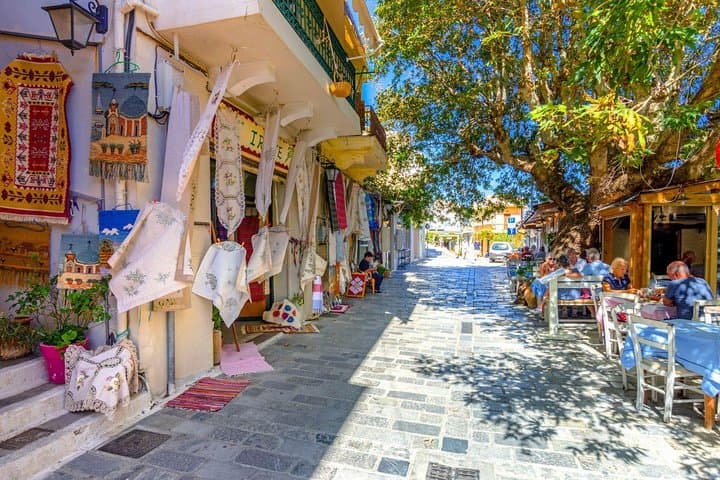
A bright Aegean morning loosens the horizon as the bus eases out of Agios Nikolaos and follows the Mirabello Bay coastline toward Elounda. Salt air pushes at the windows; limestone cliffs and olive terraces pace the road like old companions. Stops are short, deliberate—each village a different chapter: a pebbly beach that invites a quick swim, a tiny harbor where fishing boats bob, and a stone-paved alley that smells of oregano and frying fish.
Verified experiences and guided adventures in the surrounding area.
Operated by CreteCab · Agios Nikolaos, Crete
A bright Aegean morning loosens the horizon as the bus eases out of Agios Nikolaos and follows the Mirabello Bay coastline toward Elounda. Salt air pushes at the windows; limestone cliffs and olive terraces pace the road like old companions. Stops are short, deliberate—each village a different chapter: a pebbly beach that invites a quick swim, a tiny harbor where fishing boats bob, and a stone-paved alley that smells of oregano and frying fish.
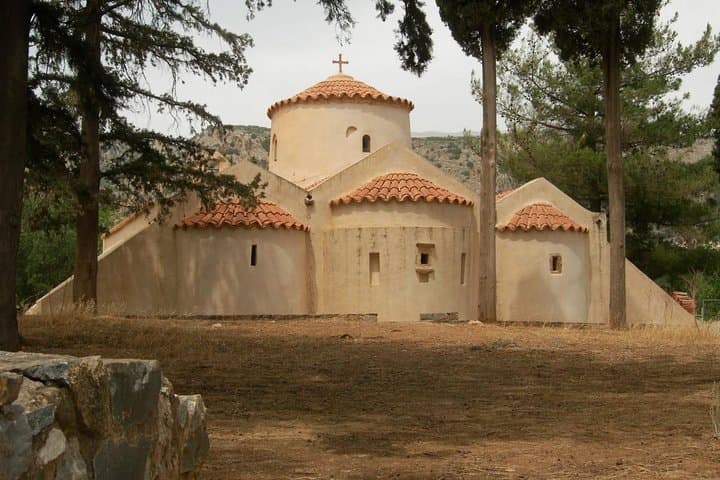
The day strings together Crete’s layered history. Spinalonga’s Venetian fortifications and 20th-century leprosarium sit like an open ruin against the sea—a stark reminder of island geopolitics and social isolation. Kritsa preserves Byzantine brushstrokes in the frescoes of Panagia Kera; the village’s looms still spin the region’s weaving tradition. Geologically, the east coast drops to protected bays and shallow reefs, shaping sheltered harbors that supported maritime trade for millennia.
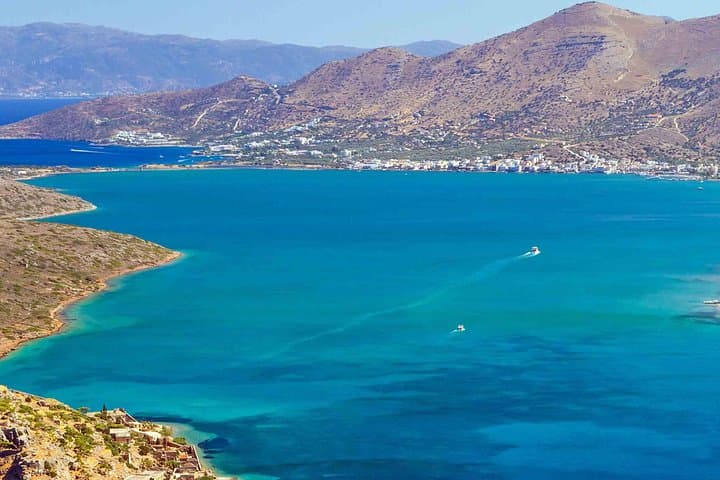
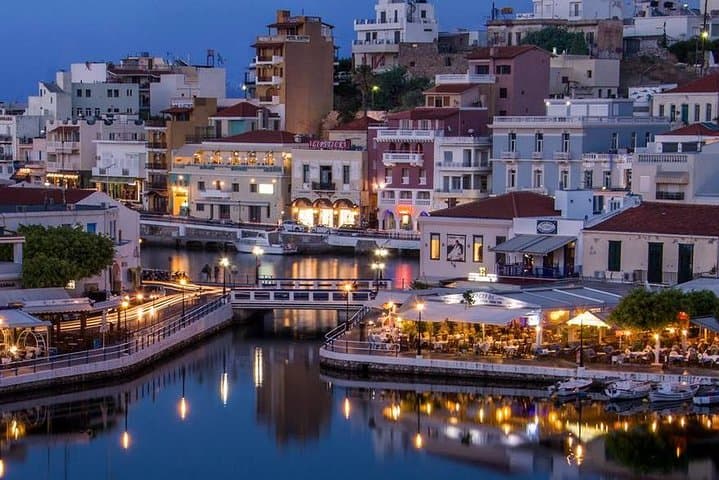
Practically, expect a six-hour guided loop with air-conditioned transport, bottled water, snacks and short guided stops: Elounda viewpoint, a boat-accessible visit to Spinalonga, swimming time at Plaka, a stroll through Agios Nikolaos’ Voulismeni lagoon, and a stop in Kritsa with the Kera church. Wear sturdy sandals or walking shoes for cobbles, bring swimwear and sun protection, and carry small bills for tavernas and museum donations. If you prefer a gentler pace, confirm mobility needs when booking—the route accommodates light walking and rests. By dusk you’ll have traded hours for a compact portrait of Crete: rock, sea, faith and village life moving at island time.
easy.
6 hours.
Suitable for most fitness levels; involves short walks on uneven village streets and standing during boat transfers.
Boat transfers and site access can be included or arranged locally—confirm with the operator; many tours cover the short boat ride but not optional museum donations.
Yes—stops in Elounda, Plaka and Agios Nikolaos include access to cafés and restrooms; bring small change for purchases.
The tour lists wheelchair and stroller accessibility; contact the operator ahead of time to confirm pickup logistics and accessible boarding for boats.
Expect light walking: short village strolls, steps at viewpoints and brief on/off the vehicle transfers—suitable for most travelers.
Spinalonga bears Venetian fortifications and served as a leprosarium until 1957; Kritsa preserves important Byzantine frescoes at Panagia Kera.
The Spinalonga area and nearby bays are sensitive marine habitats—stick to marked paths, avoid leaving waste and respect local wildlife and heritage sites.
CreteCab operates guided outdoor trips and adventures with an emphasis on safety, stewardship, and memorable experiences.
A bright Aegean morning loosens the horizon as the bus eases out of Agios Nikolaos and follows the Mirabello Bay coastline toward Elounda. Salt air pushes at the windows; limestone cliffs and olive terraces pace the road like old companions. Stops are short, deliberate—each village a different chapter: a pebbly beach that invites a quick swim, a tiny harbor where fishing boats bob, and a stone-paved alley that smells of oregano and frying fish.
A bright Aegean morning loosens the horizon as the bus eases out of Agios Nikolaos and follows the Mirabello Bay coastline toward Elounda. Salt air pushes at the windows; limestone cliffs and olive terraces pace the road like old companions. Stops are short, deliberate—each village a different chapter: a pebbly beach that invites a quick swim, a tiny harbor where fishing boats bob, and a stone-paved alley that smells of oregano and frying fish.
The day strings together Crete’s layered history. Spinalonga’s Venetian fortifications and 20th-century leprosarium sit like an open ruin against the sea—a stark reminder of island geopolitics and social isolation. Kritsa preserves Byzantine brushstrokes in the frescoes of Panagia Kera; the village’s looms still spin the region’s weaving tradition. Geologically, the east coast drops to protected bays and shallow reefs, shaping sheltered harbors that supported maritime trade for millennia.
Practically, expect a six-hour guided loop with air-conditioned transport, bottled water, snacks and short guided stops: Elounda viewpoint, a boat-accessible visit to Spinalonga, swimming time at Plaka, a stroll through Agios Nikolaos’ Voulismeni lagoon, and a stop in Kritsa with the Kera church. Wear sturdy sandals or walking shoes for cobbles, bring swimwear and sun protection, and carry small bills for tavernas and museum donations. If you prefer a gentler pace, confirm mobility needs when booking—the route accommodates light walking and rests. By dusk you’ll have traded hours for a compact portrait of Crete: rock, sea, faith and village life moving at island time.