THE ADVENTURE COLLECTIVE® · Independent discovery and booking for outdoor travel

Spend a full day in Addis Ababa visiting Selassie Cathedral, the National Museum (home of Lucy), the Ethnographic Museum and Entoto Mountain. This guide outlines what to expect, how to prepare for altitude and markets, and where to find the city's best panoramas.
Spend a full day in Addis Ababa visiting Selassie Cathedral, the National Museum (home of Lucy), the Ethnographic Museum and Entoto Mountain. This guide outlines what to expect, how to prepare for altitude and markets, and where to find the city's best panoramas.
You step out of the air-conditioned vehicle and the city unfolds: honking taxis, wisps of incense from a church, vendors calling from shaded stalls. Addis Ababa sits high on the Horn of Africa plateau—thin, dry air at roughly 2,350 m that makes each step feel like a small achievement.
Verified experiences and guided adventures in the surrounding area.
Operated by Anbessa Travel · Addis Ababa, Addis Ababa
You step out of the air-conditioned vehicle and the city unfolds: honking taxis, wisps of incense from a church, vendors calling from shaded stalls. Addis Ababa sits high on the Horn of Africa plateau—thin, dry air at roughly 2,350 m that makes each step feel like a small achievement.
The day moves with deliberate contrasts. Begin at the Holy Trinity (Selassie) Cathedral, where polished iconography and the mausoleum of Emperor Haile Selassie frame modern Ethiopian faith. The National Museum follows—a compact room where “Lucy,” the 3.2-million-year-old Australopithecus afarensis, shifts your sense of human time. Nearby, the Ethnographic Museum at Addis Ababa University maps Ethiopia’s cultural breadth through artifacts, textiles, and reconstructed domestic scenes.
Drive north to Entoto Mountain for a sweeping panorama of the city; the eucalyptus-scented ridgeline often carries a brisk wind that seems to push you toward the vista. On the way, Shiro Meda offers a less-touristed market of woven fabrics and tailors, while time permitting the vast lanes of Merkato reveal the organized chaos of one of Africa’s largest open-air markets.
Practicalities: expect an 8–10 hour day with moderate walking on paved streets and uneven market lanes. Altitude can cause breathlessness—drink water and pace yourself. Cash (Ethiopian birr) is useful at markets; cameras are welcome but show cultural respect in religious sites. The tour includes bottled water, lunch, and museum admissions; start early to avoid midday crowds and afternoon rains during the wet season.
easy.
8–10 hours.
Suitable for travelers in average fitness able to handle several hours of walking and some stair/climb at museums and churches.
Yes — the tour operator meets guests at Bole International Airport and transfers to the hotel before the city tour begins.
Admissions for the National Museum and Ethnographic Museum are included; some churches may request a small donation on arrival.
Merkato is busy and can be overwhelming for first-time visitors; it’s generally safe during the day if you keep belongings secure and stay with the group or guide.
Lunch is included and typically features Ethiopian dishes; inform the operator of dietary restrictions during booking.
Addis Ababa was founded in the late 19th century by Emperor Menelik II and grew rapidly as Ethiopia’s political and cultural center, with landmarks reflecting both imperial and modern history.
Eucalyptus groves on Entoto are non-native and affect local hydrology; visitors are encouraged to stick to paths and minimize litter to protect fragile urban greenspaces.
Anbessa Travel operates guided outdoor trips and adventures with an emphasis on safety, stewardship, and memorable experiences.
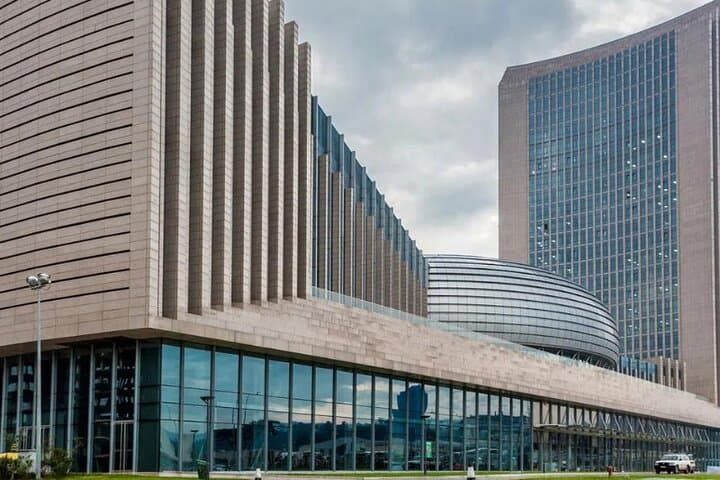
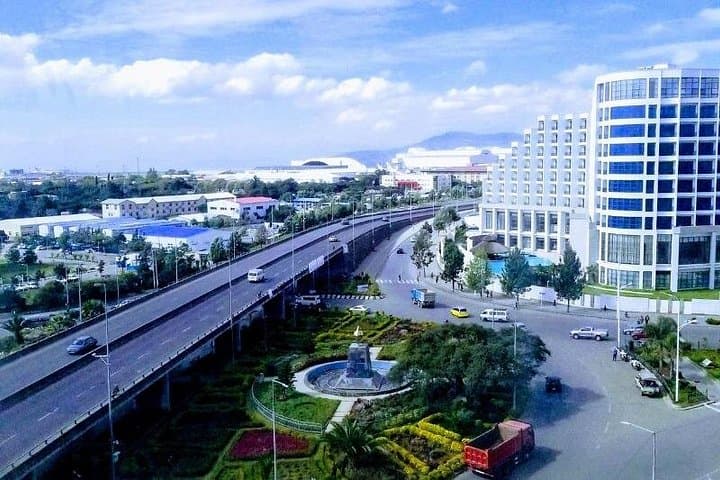
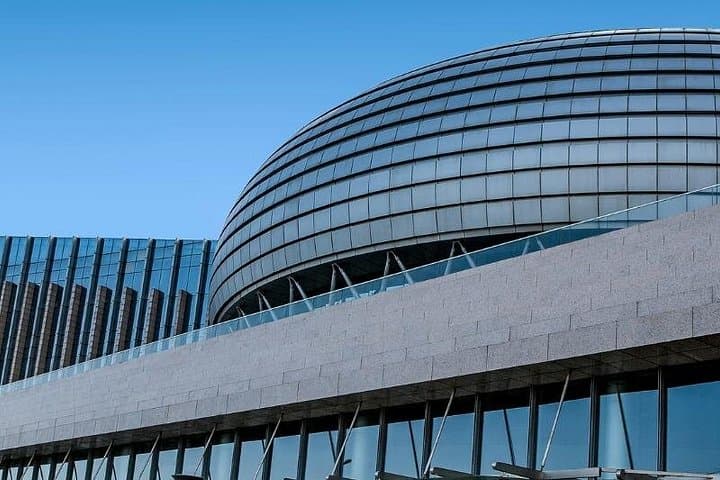
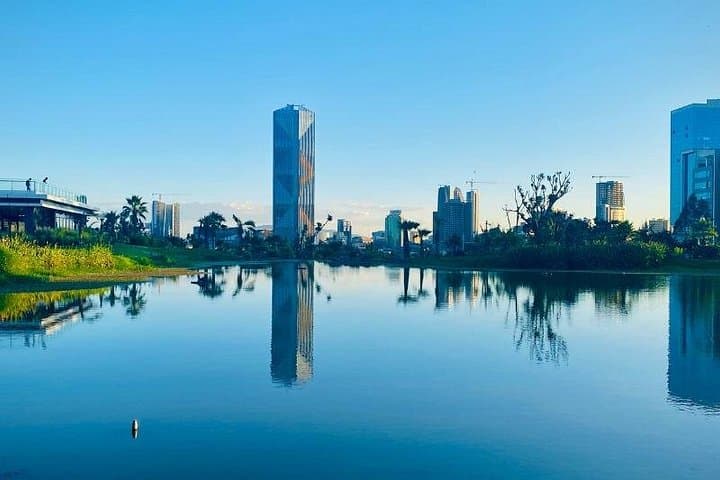
You step out of the air-conditioned vehicle and the city unfolds: honking taxis, wisps of incense from a church, vendors calling from shaded stalls. Addis Ababa sits high on the Horn of Africa plateau—thin, dry air at roughly 2,350 m that makes each step feel like a small achievement.
You step out of the air-conditioned vehicle and the city unfolds: honking taxis, wisps of incense from a church, vendors calling from shaded stalls. Addis Ababa sits high on the Horn of Africa plateau—thin, dry air at roughly 2,350 m that makes each step feel like a small achievement.
The day moves with deliberate contrasts. Begin at the Holy Trinity (Selassie) Cathedral, where polished iconography and the mausoleum of Emperor Haile Selassie frame modern Ethiopian faith. The National Museum follows—a compact room where “Lucy,” the 3.2-million-year-old Australopithecus afarensis, shifts your sense of human time. Nearby, the Ethnographic Museum at Addis Ababa University maps Ethiopia’s cultural breadth through artifacts, textiles, and reconstructed domestic scenes.
Drive north to Entoto Mountain for a sweeping panorama of the city; the eucalyptus-scented ridgeline often carries a brisk wind that seems to push you toward the vista. On the way, Shiro Meda offers a less-touristed market of woven fabrics and tailors, while time permitting the vast lanes of Merkato reveal the organized chaos of one of Africa’s largest open-air markets.
Practicalities: expect an 8–10 hour day with moderate walking on paved streets and uneven market lanes. Altitude can cause breathlessness—drink water and pace yourself. Cash (Ethiopian birr) is useful at markets; cameras are welcome but show cultural respect in religious sites. The tour includes bottled water, lunch, and museum admissions; start early to avoid midday crowds and afternoon rains during the wet season.