THE ADVENTURE COLLECTIVE® · Independent discovery and booking for outdoor travel

Leave Luxor before dawn for a private full-day run to Abydos and Dendera—two of Upper Egypt’s best-preserved temple complexes. Expect long drives, vivid reliefs at Seti I’s Abydos, and the painted interiors and Hathor imagery at Dendera.
Leave Luxor before dawn for a private full-day run to Abydos and Dendera—two of Upper Egypt’s best-preserved temple complexes. Expect long drives, vivid reliefs at Seti I’s Abydos, and the painted interiors and Hathor imagery at Dendera.
The bus eases out of Luxor at first light, the Nile shrinking into a bright ribbon as the desert opens ahead. Dust-streaked plains roll past while your private guide reviews the day: Abydos first, then Dendera, two temples that reward a long day with layered history and unexpectedly vivid color.
Verified experiences and guided adventures in the surrounding area.
Operated by Nile River Cruise · Luxor, Luxor Governorate
The bus eases out of Luxor at first light, the Nile shrinking into a bright ribbon as the desert opens ahead. Dust-streaked plains roll past while your private guide reviews the day: Abydos first, then Dendera, two temples that reward a long day with layered history and unexpectedly vivid color.
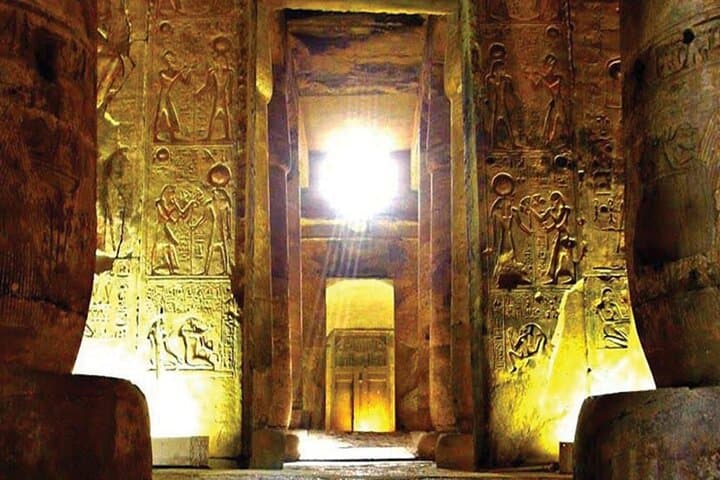
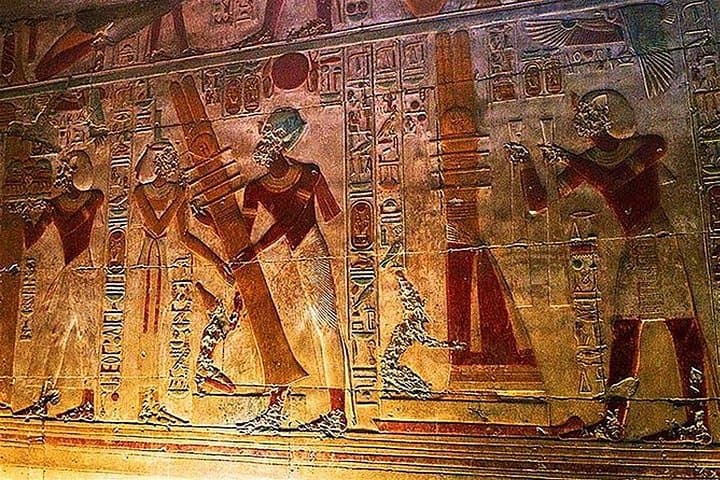
Abydos arrives as a compact complex of worn stone and crisp reliefs—the Osiris cult’s sacred hub where Seti I carved the royal procession known as the Abydos King List. Geologically it sits on floodplain silts that preserved mud-brick settlements nearby; the temple’s surviving reliefs owe more to careful stonework than the shifting earth around them. Dendera, by contrast, greets visitors with painted ceilings and the smiling face of Hathor; later Roman additions and a small mammisi (birth house) create a palimpsest of beliefs and builders.
Culturally, the two sites illustrate Pharaonic kingship and popular religion: Abydos, funerary devotion to Osiris; Dendera, festival and daily life through the goddess Hathor’s lens. Local villages around both sites still grow dates and tend small herds—simple reminders that these monuments sit in lived landscapes.
Practical: expect a long, mostly seated transfer (about 2–3 hours each way to Abydos), a private AC vehicle, and roughly 9–10 hours total. Wear sun-protective clothing and sturdy shoes for uneven stone; bring cash for small purchases and tips. The tour includes admissions and bottled water and is wheelchair-friendly in many areas, but some thresholds and uneven floors remain. Start early, carry sunscreen and a hat, and leave room in your schedule for slow, close readings of the carvings—these temples reward attention.
easy.
9–10 hours.
Suitable for most travelers who can manage several short walks and periods standing; overall low exertion.
Yes—admission to Abydos and Dendera is included in this private tour package.
Abydos is roughly 2–3 hours north of Luxor by private vehicle (about 135 km); Dendera is closer, typically under 1.5 hours depending on traffic.
Many areas and transfers are wheelchair accessible, but some temple thresholds and interior sections have uneven flooring—check with your operator for specific access needs.
Bottled water is included; meals are not typically provided, so plan for snacks or a meal stop en route or back in Luxor.
Abydos rose to prominence as a cult center for Osiris; Seti I and Ramesses II left some of the most detailed reliefs. Dendera preserves late Pharaonic decoration with notable Roman-era additions and a well-preserved Hathor sanctuary.
Both sites are managed by Egypt’s antiquities authorities; visitors are asked to avoid touching reliefs and to follow established paths to help preserve pigment and stonework.
Nile River Cruise operates guided outdoor trips and adventures with an emphasis on safety, stewardship, and memorable experiences.
The bus eases out of Luxor at first light, the Nile shrinking into a bright ribbon as the desert opens ahead. Dust-streaked plains roll past while your private guide reviews the day: Abydos first, then Dendera, two temples that reward a long day with layered history and unexpectedly vivid color.
The bus eases out of Luxor at first light, the Nile shrinking into a bright ribbon as the desert opens ahead. Dust-streaked plains roll past while your private guide reviews the day: Abydos first, then Dendera, two temples that reward a long day with layered history and unexpectedly vivid color.
Abydos arrives as a compact complex of worn stone and crisp reliefs—the Osiris cult’s sacred hub where Seti I carved the royal procession known as the Abydos King List. Geologically it sits on floodplain silts that preserved mud-brick settlements nearby; the temple’s surviving reliefs owe more to careful stonework than the shifting earth around them. Dendera, by contrast, greets visitors with painted ceilings and the smiling face of Hathor; later Roman additions and a small mammisi (birth house) create a palimpsest of beliefs and builders.
Culturally, the two sites illustrate Pharaonic kingship and popular religion: Abydos, funerary devotion to Osiris; Dendera, festival and daily life through the goddess Hathor’s lens. Local villages around both sites still grow dates and tend small herds—simple reminders that these monuments sit in lived landscapes.
Practical: expect a long, mostly seated transfer (about 2–3 hours each way to Abydos), a private AC vehicle, and roughly 9–10 hours total. Wear sun-protective clothing and sturdy shoes for uneven stone; bring cash for small purchases and tips. The tour includes admissions and bottled water and is wheelchair-friendly in many areas, but some thresholds and uneven floors remain. Start early, carry sunscreen and a hat, and leave room in your schedule for slow, close readings of the carvings—these temples reward attention.