THE ADVENTURE COLLECTIVE® · Independent discovery and booking for outdoor travel

Ride an electric kickboard through Futaba, Okuma, Namie and Tomioka with resident guides who interpret the Great East Japan Earthquake’s aftermath. This six-hour tour mixes firsthand testimony, museum visits, local sake tasting and street-level observation of reconstruction and resilience.
Ride an electric kickboard through Futaba, Okuma, Namie and Tomioka with resident guides who interpret the Great East Japan Earthquake’s aftermath. This six-hour tour mixes firsthand testimony, museum visits, local sake tasting and street-level observation of reconstruction and resilience.
The Pacific pushes a cool breeze across cracked pavement as you step onto an electric kickboard and roll into towns that once sat at the center of Japan’s 2011 catastrophe. Local guides—residents who left and returned—lead small groups through streets, museums, and reclaimed waterfronts, the landscape revealing both rupture and reinvention.
Verified experiences and guided adventures in the surrounding area.
Operated by F-ATRAs · Futaba, Fukushima Prefecture
The Pacific pushes a cool breeze across cracked pavement as you step onto an electric kickboard and roll into towns that once sat at the center of Japan’s 2011 catastrophe. Local guides—residents who left and returned—lead small groups through streets, museums, and reclaimed waterfronts, the landscape revealing both rupture and reinvention.
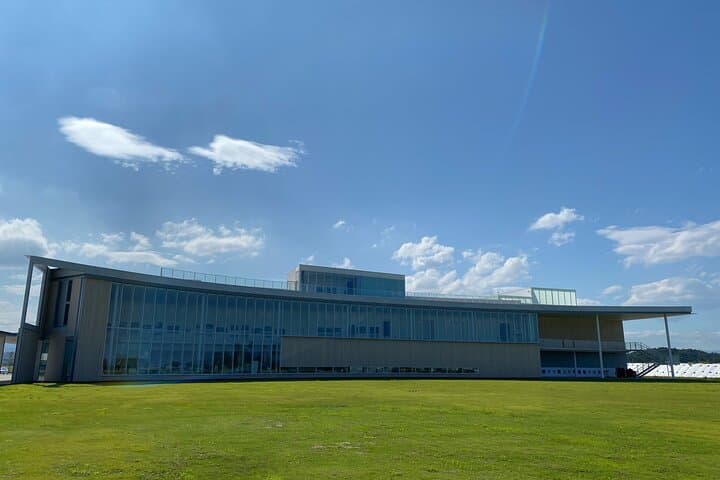
History and geology are tangible here: the tsunami swept across low-lying coastal plains, and the combined geological and technical failure at the nuclear plant reshaped livelihoods. Museums opened since 2020 display evacuation routes, rooftop views of the ocean, and artifacts that track life before, during, and after the disaster. Cultural life persists in unexpected places—sake breweries in Namie, repair shops in Tomioka, and community centers where storytellers like Mr. Hidezo share first-hand accounts.
Expect a paced, six-hour loop that mixes walking, museum time, talks, and electric-kickboard segments. Terrain is flat town roads and coastal streets with occasional uneven sections; kickboard riding is steady but you should be comfortable standing and balancing for extended periods. Photography is allowed but follow guides’ boundaries—some sites remain sensitive.
Practical tips: wear sturdy closed-toe shoes, bring a charged phone and power bank, and layer for coastal wind. Helmets and kickboards are provided; carry water and light snacks. Respect local signs and the ongoing recovery work—this tour blends historical context with present-day realities, offering direct contact with a community rebuilding in public view.
easy.
6 hours.
Suitable for people who can stand and ride a kickboard for several hours and walk short museum tours.
Guides adhere to current safety standards and visit areas deemed safe for visitors; they will not enter zones still restricted—follow their instructions.
Basic riding ability is recommended; guides provide helmets and instruction, and can accommodate riders who prefer to walk portions.
This tour is not recommended for pregnant travelers due to standing and riding requirements and the tour operator’s guidance.
Meeting details are provided at booking; tours typically organize a central pick-up point in the prefecture or a specified public meeting place—confirm when you book.
The FONT area—Futaba, Okuma, Namie and Tomioka—was heavily affected by the 2011 earthquake, tsunami and nuclear accident; recovery has included phased returns, decontamination, and community-led revitalization.
Tour operators emphasize respectful visitation, adherence to restricted zones, and support for local businesses; visitors are asked to avoid collecting artifacts and to minimize waste.
F-ATRAs operates guided outdoor trips and adventures with an emphasis on safety, stewardship, and memorable experiences.
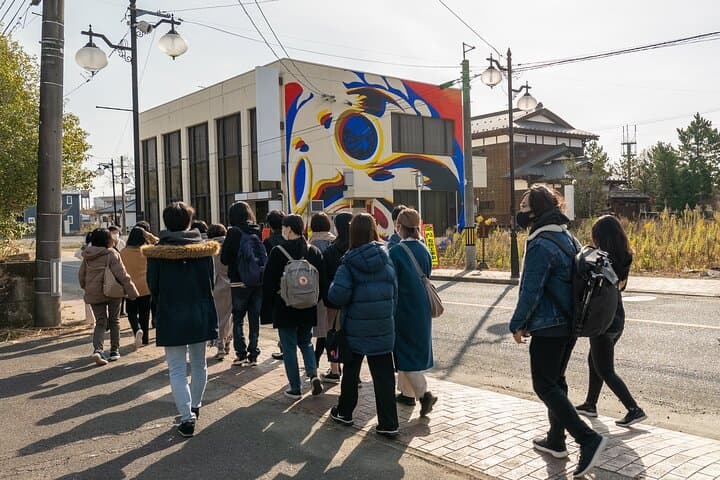
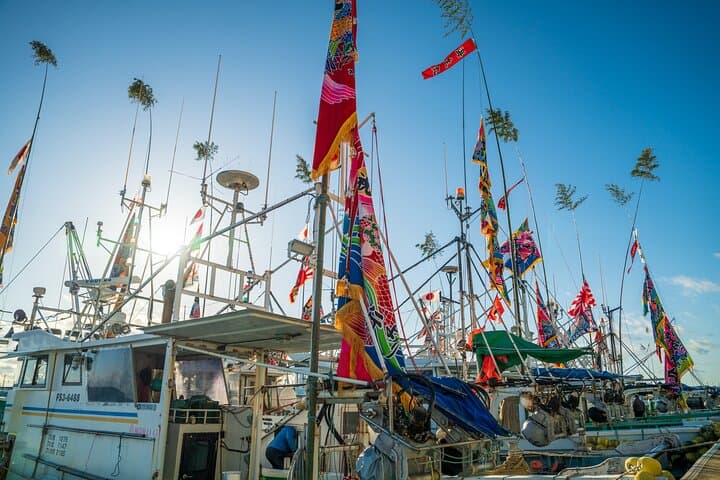
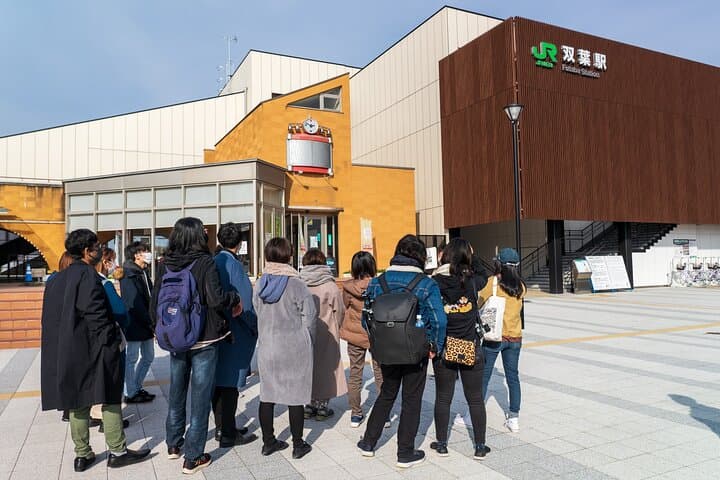
The Pacific pushes a cool breeze across cracked pavement as you step onto an electric kickboard and roll into towns that once sat at the center of Japan’s 2011 catastrophe. Local guides—residents who left and returned—lead small groups through streets, museums, and reclaimed waterfronts, the landscape revealing both rupture and reinvention.
The Pacific pushes a cool breeze across cracked pavement as you step onto an electric kickboard and roll into towns that once sat at the center of Japan’s 2011 catastrophe. Local guides—residents who left and returned—lead small groups through streets, museums, and reclaimed waterfronts, the landscape revealing both rupture and reinvention.
History and geology are tangible here: the tsunami swept across low-lying coastal plains, and the combined geological and technical failure at the nuclear plant reshaped livelihoods. Museums opened since 2020 display evacuation routes, rooftop views of the ocean, and artifacts that track life before, during, and after the disaster. Cultural life persists in unexpected places—sake breweries in Namie, repair shops in Tomioka, and community centers where storytellers like Mr. Hidezo share first-hand accounts.
Expect a paced, six-hour loop that mixes walking, museum time, talks, and electric-kickboard segments. Terrain is flat town roads and coastal streets with occasional uneven sections; kickboard riding is steady but you should be comfortable standing and balancing for extended periods. Photography is allowed but follow guides’ boundaries—some sites remain sensitive.
Practical tips: wear sturdy closed-toe shoes, bring a charged phone and power bank, and layer for coastal wind. Helmets and kickboards are provided; carry water and light snacks. Respect local signs and the ongoing recovery work—this tour blends historical context with present-day realities, offering direct contact with a community rebuilding in public view.