THE ADVENTURE COLLECTIVE® · Independent discovery and booking for outdoor travel

A two-day guided tour that visits Fukushima’s tsunami-impacted coastline and provides scheduled access near the Fukushima Daiichi Nuclear Power Plant. Hear local stories, see decontamination efforts, and learn what rebuilding looks like up close.
A two-day guided tour that visits Fukushima’s tsunami-impacted coastline and provides scheduled access near the Fukushima Daiichi Nuclear Power Plant. Hear local stories, see decontamination efforts, and learn what rebuilding looks like up close.
You arrive on a gray Pacific morning and the wind off the coast pushes the chill through your jacket; fishing ports and seawalls mark where the 2011 tsunami surged inland and rewrote this shoreline.
Verified experiences and guided adventures in the surrounding area.
Operated by Japan Wonder Travel · Koriyama, Fukushima Prefecture
You arrive on a gray Pacific morning and the wind off the coast pushes the chill through your jacket; fishing ports and seawalls mark where the 2011 tsunami surged inland and rewrote this shoreline.
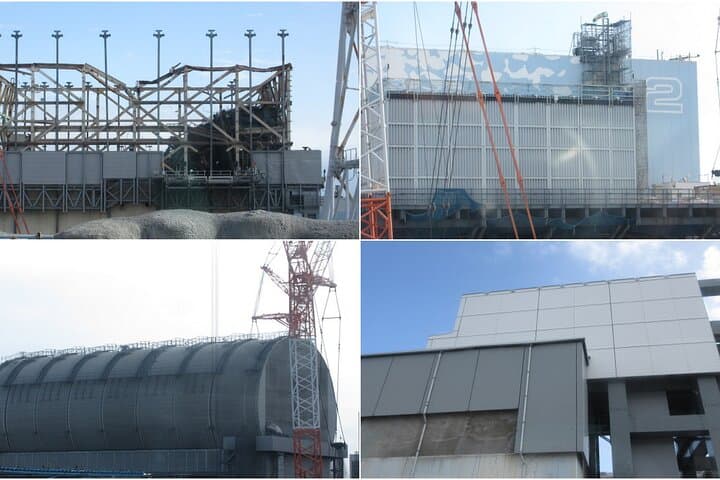
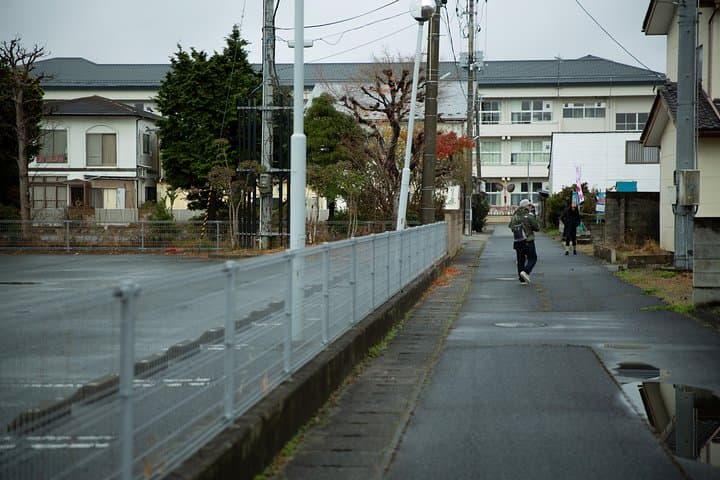
Over two days the tour threads between rebuilt neighborhoods and fenced industrial perimeters, stopping at viewpoints that show the power plant’s massive containment structures and the still-scarred coastline. The human story is central: guides arrange conversations with local residents who recount evacuation, loss, and the slow processes of decontamination and community recovery.
Geologically this is Japan’s active Pacific margin—subduction of the Pacific Plate generates the earthquakes that produced the 2011 tsunami. Culturally the region is tied to coastal fishing traditions and post-disaster revitalization projects; expect simple, coastal meals made from local seafood and rice.
Practically, the operator provides transport from Koriyama Station, coastal hotel accommodation, a Geiger counter, and a guide who escorts the group within permitted zones (access to the plant is controlled and scheduled). You will need to present government ID, wear long sleeves, long pants and flat shoes, and follow strict photography rules around restricted areas. Radiation monitoring on-site typically registers very low incremental exposure (est. ~0.02 mSv for the plant visit), but abiding by guide instructions is essential.
The tour is not physically demanding but is sensitive: respect privacy, avoid photographing private property without permission, and be prepared for emotional stories. This visit offers direct, carefully managed insight into a region coping with the aftermath of a major disaster.
easy.
2 days (approx. 48 hours).
Suitable for travelers in general good health; the itinerary involves mostly vehicle travel with short, flat walks.
Yes, with this guided tour you can go within the permitted access zone surrounding the plant; access is controlled, scheduled, and subject to change by authorities.
Operators monitor radiation and provide Geiger counters; the estimated exposure for the plant visit is very low (about 0.02 mSv), but you must follow all safety instructions.
Participants must be at least 20 years old per operator policy; this tour is intended for adults due to access and sensitivity of sites.
The tour starts and ends at Koriyama Station; transport between Koriyama and the coast is provided in an air-conditioned vehicle included in the tour.
The tour focuses on sites affected by the 11 March 2011 Tōhoku earthquake and tsunami and the subsequent Fukushima Daiichi nuclear accident, including evacuation zones and ongoing recovery efforts.
Decontamination, controlled access, and community-driven rebuilding are ongoing; visitors should minimize impact and support local businesses to aid recovery.
Japan Wonder Travel operates guided outdoor trips and adventures with an emphasis on safety, stewardship, and memorable experiences.
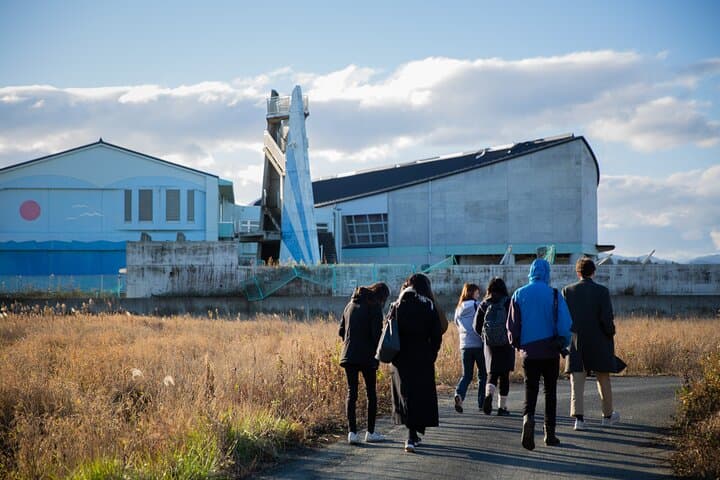
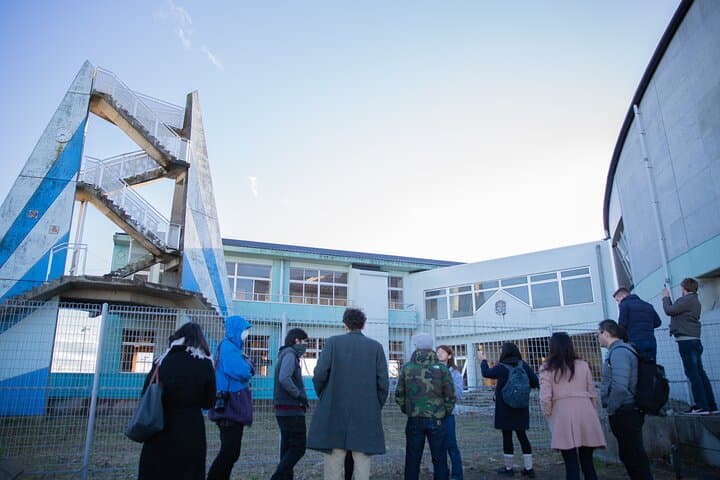
You arrive on a gray Pacific morning and the wind off the coast pushes the chill through your jacket; fishing ports and seawalls mark where the 2011 tsunami surged inland and rewrote this shoreline.
You arrive on a gray Pacific morning and the wind off the coast pushes the chill through your jacket; fishing ports and seawalls mark where the 2011 tsunami surged inland and rewrote this shoreline.
Over two days the tour threads between rebuilt neighborhoods and fenced industrial perimeters, stopping at viewpoints that show the power plant’s massive containment structures and the still-scarred coastline. The human story is central: guides arrange conversations with local residents who recount evacuation, loss, and the slow processes of decontamination and community recovery.
Geologically this is Japan’s active Pacific margin—subduction of the Pacific Plate generates the earthquakes that produced the 2011 tsunami. Culturally the region is tied to coastal fishing traditions and post-disaster revitalization projects; expect simple, coastal meals made from local seafood and rice.
Practically, the operator provides transport from Koriyama Station, coastal hotel accommodation, a Geiger counter, and a guide who escorts the group within permitted zones (access to the plant is controlled and scheduled). You will need to present government ID, wear long sleeves, long pants and flat shoes, and follow strict photography rules around restricted areas. Radiation monitoring on-site typically registers very low incremental exposure (est. ~0.02 mSv for the plant visit), but abiding by guide instructions is essential.
The tour is not physically demanding but is sensitive: respect privacy, avoid photographing private property without permission, and be prepared for emotional stories. This visit offers direct, carefully managed insight into a region coping with the aftermath of a major disaster.