THE ADVENTURE COLLECTIVE® · Independent discovery and booking for outdoor travel

Spend a day picking premium Japanese strawberries in Ukiha and learning sakura-based natural dyeing at a local workshop. This Hakata-based excursion mixes hands-on agriculture with a traditional craft—ideal for travelers who like to eat, learn, and make.
Spend a day picking premium Japanese strawberries in Ukiha and learning sakura-based natural dyeing at a local workshop. This Hakata-based excursion mixes hands-on agriculture with a traditional craft—ideal for travelers who like to eat, learn, and make.
You step off the bus under a wide winter sky and the air smells faintly of green leaves and sugar—rows of strawberry plants lean forward, offering fruit like a bright, edible reward. The farm in Ukiha stretches across gentle terraces; sunlight pools on fruit that’s been bred for sweetness, and the farmers’ hands have learned which varieties blush first.
Verified experiences and guided adventures in the surrounding area.
Operated by H.I.S.Co., Ltd. · Fukuoka, Fukuoka Prefecture
You step off the bus under a wide winter sky and the air smells faintly of green leaves and sugar—rows of strawberry plants lean forward, offering fruit like a bright, edible reward. The farm in Ukiha stretches across gentle terraces; sunlight pools on fruit that’s been bred for sweetness, and the farmers’ hands have learned which varieties blush first.
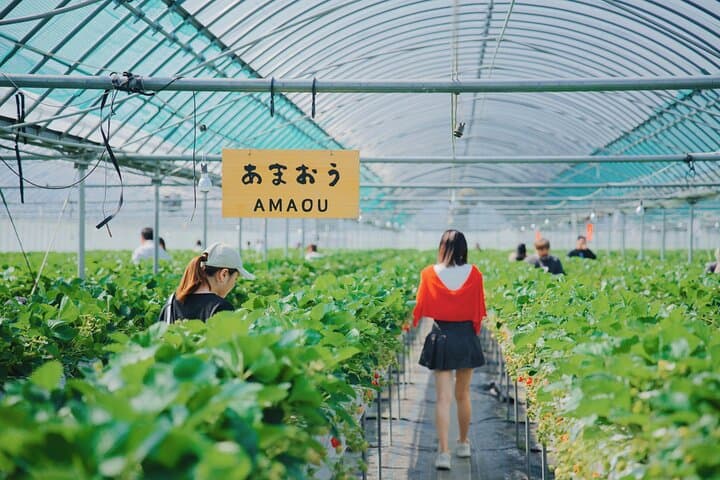
This day blends modern agritourism with Japanese craft. Ukiha and nearby Asakura sit on the softer folds of Fukuoka’s inland basin, where alluvial soils and a mild climate helped shape a local specialty in strawberries—the famed Amaou among them. Later, at Kobo Yumezaiku you’ll learn sakura-based dyeing, a plant-dye tradition made contemporary: cherry blossoms and other botanicals used to coax subtle pinks and earthy tones from cloth.
The cultural rhythm here is practical and hands-on; small workshops and family farms keep techniques alive while inviting visitors to participate. Expect a mix of outdoor activity and seated craft work—soft walking among low beds, then focused time at a dyeing table with natural pigments.
Practicalities: the full program runs about nine hours from Hakata Station including transport. Wear sturdy shoes for muddy paths, bring a light waterproof layer and sun protection, and allow time for photos and snacks. Inform staff of allergies before eating—lunch is independent and tofu workshops along the route are popular. If you want an active day that combines seasonal harvest, local food, and a tactile craft, this trip delivers an approachable, sensory taste of rural Fukuoka.
easy.
9 hours.
Suitable for travelers of most fitness levels; expect short walks on flat to gently sloping farm paths and seated craft work.
Yes—picking and tasting are part of the farm experience; you can sample varieties on-site and usually take a set amount home depending on the farm rules.
Yes—the workshop is designed for beginners and provides instruction, materials, and guidance from local artisans using natural dyes.
Pickup is at Hakata Station; travel time to Ukiha/Asakura varies with traffic but the full tour, including transport and activities, lasts about nine hours.
No—lunch is not included; there’s time to purchase food at the tofu workshop or nearby eateries, and dietary restrictions should be reported in advance.
Asakura and Ukiha have agricultural roots tied to river valleys and alluvial plains; local farming practices evolved to favor specialty crops like strawberries that thrive in the mild Kyushu climate.
Farms and workshops emphasize seasonal, small-batch production and many dyeing processes use plant-based, natural pigments to reduce chemical runoff and support sustainable craft practices.
H.I.S.Co., Ltd. operates guided outdoor trips and adventures with an emphasis on safety, stewardship, and memorable experiences.
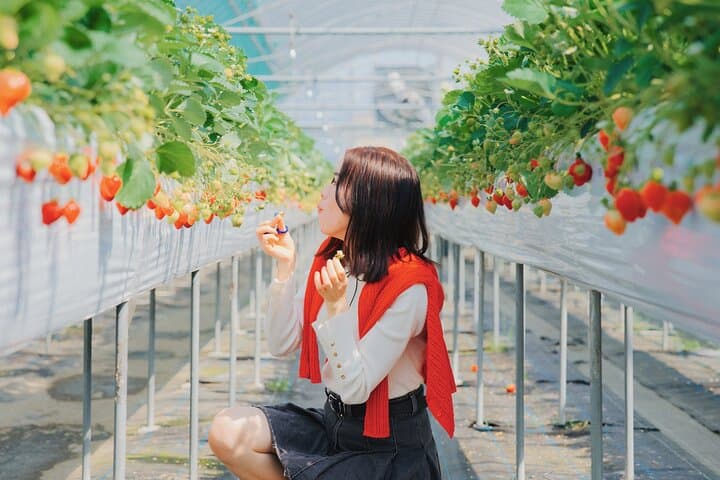
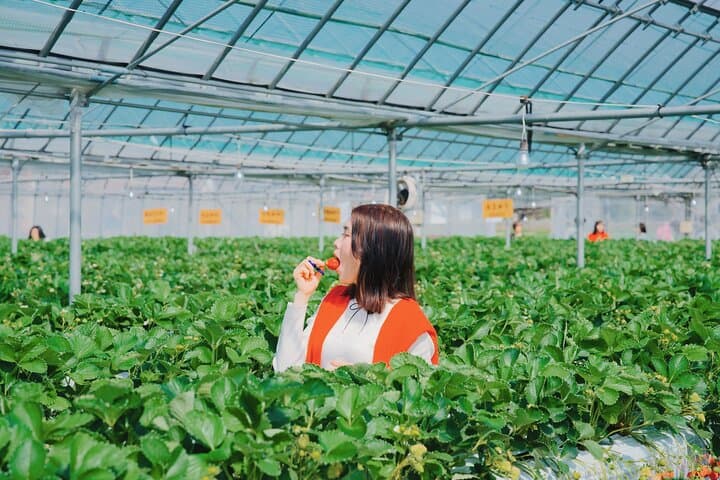
You step off the bus under a wide winter sky and the air smells faintly of green leaves and sugar—rows of strawberry plants lean forward, offering fruit like a bright, edible reward. The farm in Ukiha stretches across gentle terraces; sunlight pools on fruit that’s been bred for sweetness, and the farmers’ hands have learned which varieties blush first.
You step off the bus under a wide winter sky and the air smells faintly of green leaves and sugar—rows of strawberry plants lean forward, offering fruit like a bright, edible reward. The farm in Ukiha stretches across gentle terraces; sunlight pools on fruit that’s been bred for sweetness, and the farmers’ hands have learned which varieties blush first.
This day blends modern agritourism with Japanese craft. Ukiha and nearby Asakura sit on the softer folds of Fukuoka’s inland basin, where alluvial soils and a mild climate helped shape a local specialty in strawberries—the famed Amaou among them. Later, at Kobo Yumezaiku you’ll learn sakura-based dyeing, a plant-dye tradition made contemporary: cherry blossoms and other botanicals used to coax subtle pinks and earthy tones from cloth.
The cultural rhythm here is practical and hands-on; small workshops and family farms keep techniques alive while inviting visitors to participate. Expect a mix of outdoor activity and seated craft work—soft walking among low beds, then focused time at a dyeing table with natural pigments.
Practicalities: the full program runs about nine hours from Hakata Station including transport. Wear sturdy shoes for muddy paths, bring a light waterproof layer and sun protection, and allow time for photos and snacks. Inform staff of allergies before eating—lunch is independent and tofu workshops along the route are popular. If you want an active day that combines seasonal harvest, local food, and a tactile craft, this trip delivers an approachable, sensory taste of rural Fukuoka.