THE ADVENTURE COLLECTIVE® · Independent discovery and booking for outdoor travel

Walk Hakata’s streets with a local guide who tailors every stop to your interests—history, food, or parks. This private tour offers flexible pickup options, easy public transit access, and a mix of urban landmarks and nearby island escapes.
Walk Hakata’s streets with a local guide who tailors every stop to your interests—history, food, or parks. This private tour offers flexible pickup options, easy public transit access, and a mix of urban landmarks and nearby island escapes.
A morning in Hakata begins with the city breathing around you: trains hum beneath elevated tracks, canal willows dip into quiet water, and steam from a ramen stall threads the air. On a private walking tour, a local guide leads the way — through the stone scars of Fukuoka Castle, across the ceremonial thresholds of Kushida Shrine, and along Ohori Park’s two-kilometer pond path where city and green space press close.
Verified experiences and guided adventures in the surrounding area.
Operated by DeepExperience · Fukuoka, Fukuoka Prefecture
A morning in Hakata begins with the city breathing around you: trains hum beneath elevated tracks, canal willows dip into quiet water, and steam from a ramen stall threads the air. On a private walking tour, a local guide leads the way — through the stone scars of Fukuoka Castle, across the ceremonial thresholds of Kushida Shrine, and along Ohori Park’s two-kilometer pond path where city and green space press close.
This part of northern Kyushu bears layers of history: samurai-era walls from the 17th century, Dazaifu’s Heian-era shrine culture, and modern trade links reflected at Hakata Station and the tower that overlooks the bay. Geologically, the region sits on weathered volcanic soils that feed the city’s parks and nearby islands; Nokonoshima’s flower fields and Uminonakamichi’s coastal flats are shaped by tidal currents and reclaimed land projects that defined Hakata Bay.
Locals prize food and festivals—the Hakata Gion Yamakasa’s ornate floats live at Kushida Shrine year-round, while Yanagibashi Market offers raw seafood and the scent of soy. A private guide can tailor the route: history, food, gardens, or a ferry to Nokonoshima.
Practical edge: expect 4–8 hours of mostly flat walking with intermittent subway hops; bring comfortable shoes, a compact umbrella, and cash for small market stalls. Public transit is efficient—Hakata Station and Fukuoka Airport are minutes from central stops—so timing can fold around arrivals or port pickup. For first-timers, schedule earlier in the day to avoid afternoon crowds and to catch market activity and softer light on the parks.
moderate.
4–8 hours.
Should be comfortable walking several hours with short standing periods; basic stamina for stairs and ferry transfers.
Yes—optional port or airport pickup can be arranged; confirm arrival times when booking so the guide can meet you.
The tour is offered with an English-speaking guide; ask about other languages when booking.
Yes—routes are flexible but large or far-off requests (like Beppu) may require additional fees for transport or admission.
Admissions to paid sites are generally not included; guests may need to cover entrance or transport fees during the tour.
Hakata developed as a medieval trading port; its merchant culture and festivals like Yamakasa reflect centuries of coastal commerce and communal craftsmanship.
Parks and island spaces manage visitor flow seasonally to protect flower fields and coastal habitats—stick to paths and avoid picking blooms or feeding wildlife.
DeepExperience operates guided outdoor trips and adventures with an emphasis on safety, stewardship, and memorable experiences.
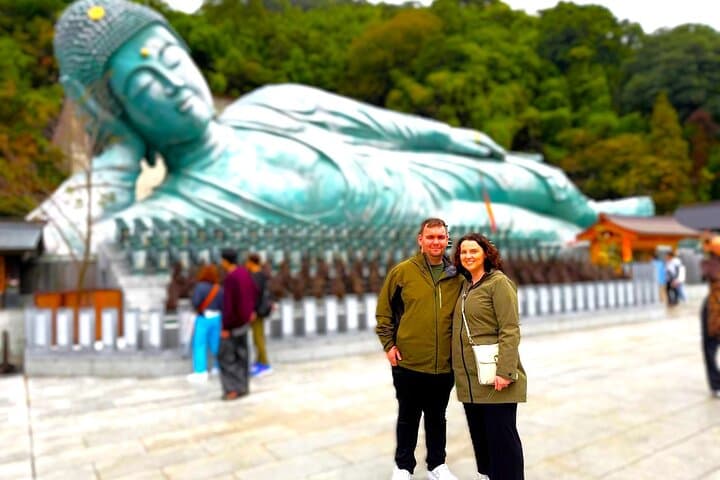
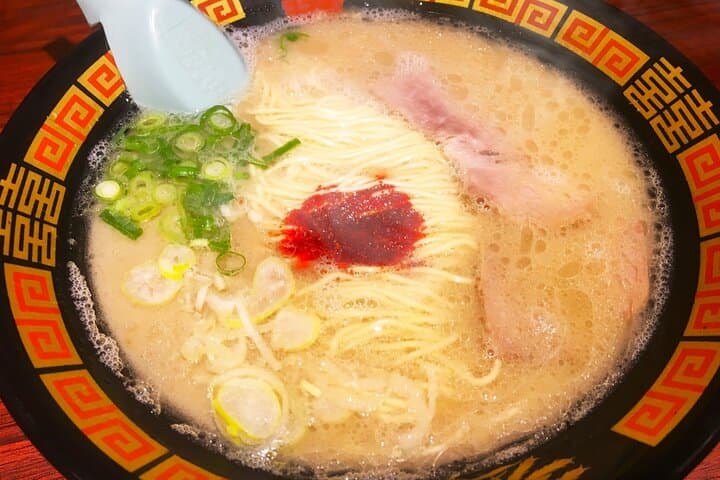
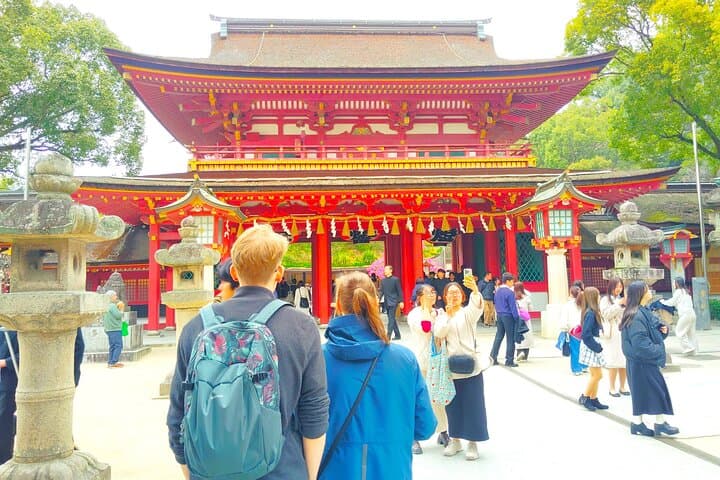
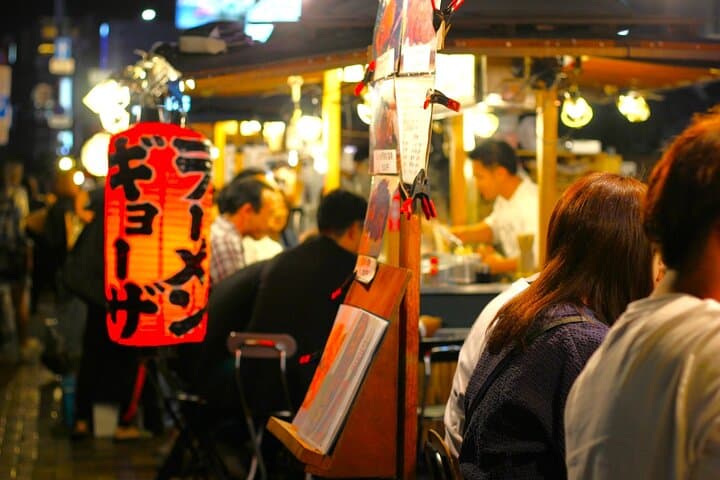
A morning in Hakata begins with the city breathing around you: trains hum beneath elevated tracks, canal willows dip into quiet water, and steam from a ramen stall threads the air. On a private walking tour, a local guide leads the way — through the stone scars of Fukuoka Castle, across the ceremonial thresholds of Kushida Shrine, and along Ohori Park’s two-kilometer pond path where city and green space press close.
A morning in Hakata begins with the city breathing around you: trains hum beneath elevated tracks, canal willows dip into quiet water, and steam from a ramen stall threads the air. On a private walking tour, a local guide leads the way — through the stone scars of Fukuoka Castle, across the ceremonial thresholds of Kushida Shrine, and along Ohori Park’s two-kilometer pond path where city and green space press close.
This part of northern Kyushu bears layers of history: samurai-era walls from the 17th century, Dazaifu’s Heian-era shrine culture, and modern trade links reflected at Hakata Station and the tower that overlooks the bay. Geologically, the region sits on weathered volcanic soils that feed the city’s parks and nearby islands; Nokonoshima’s flower fields and Uminonakamichi’s coastal flats are shaped by tidal currents and reclaimed land projects that defined Hakata Bay.
Locals prize food and festivals—the Hakata Gion Yamakasa’s ornate floats live at Kushida Shrine year-round, while Yanagibashi Market offers raw seafood and the scent of soy. A private guide can tailor the route: history, food, gardens, or a ferry to Nokonoshima.
Practical edge: expect 4–8 hours of mostly flat walking with intermittent subway hops; bring comfortable shoes, a compact umbrella, and cash for small market stalls. Public transit is efficient—Hakata Station and Fukuoka Airport are minutes from central stops—so timing can fold around arrivals or port pickup. For first-timers, schedule earlier in the day to avoid afternoon crowds and to catch market activity and softer light on the parks.