THE ADVENTURE COLLECTIVE® · Independent discovery and booking for outdoor travel

Spend a flexible 7–8 hour day with a vetted local host who builds an itinerary from Hakata’s station-side energy to riverfront yatai and shrine visits. Expect a mix of walking, short transit hops, and tailored cultural stops focused on food, history, and neighborhood life.
Spend a flexible 7–8 hour day with a vetted local host who builds an itinerary from Hakata’s station-side energy to riverfront yatai and shrine visits. Expect a mix of walking, short transit hops, and tailored cultural stops focused on food, history, and neighborhood life.
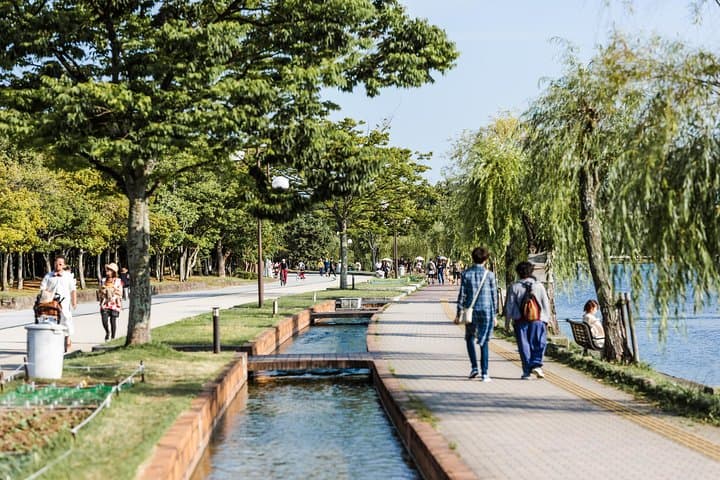
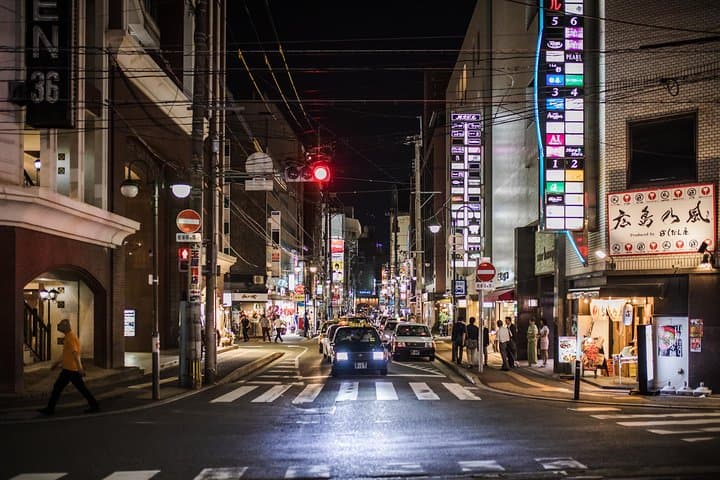
You step out of Hakata Station into a humid slice of city where neon and cedar-scented air meet. Your host waits by Tully’s Coffee, a local face with a map that’s half city plan, half personal recommendations. Together you plunge into lanes where ramen steam mingles with tram bell and the Naka River dares you to slow down and watch the light change.
Verified experiences and guided adventures in the surrounding area.
Operated by City Unscripted · Fukuoka, Fukuoka Prefecture
You step out of Hakata Station into a humid slice of city where neon and cedar-scented air meet. Your host waits by Tully’s Coffee, a local face with a map that’s half city plan, half personal recommendations. Together you plunge into lanes where ramen steam mingles with tram bell and the Naka River dares you to slow down and watch the light change.
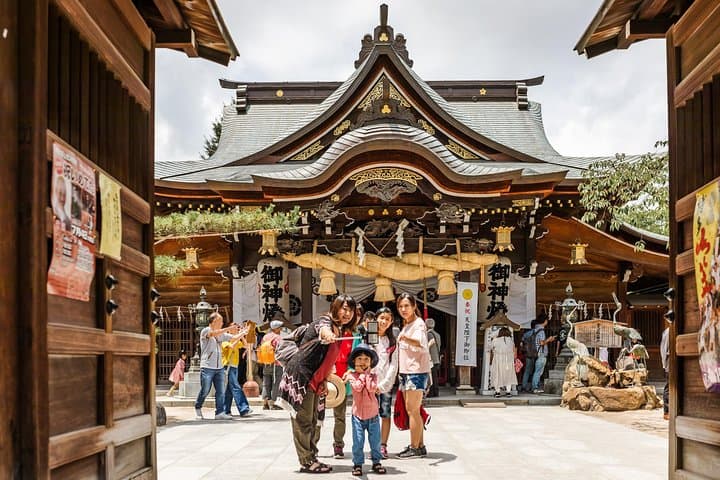
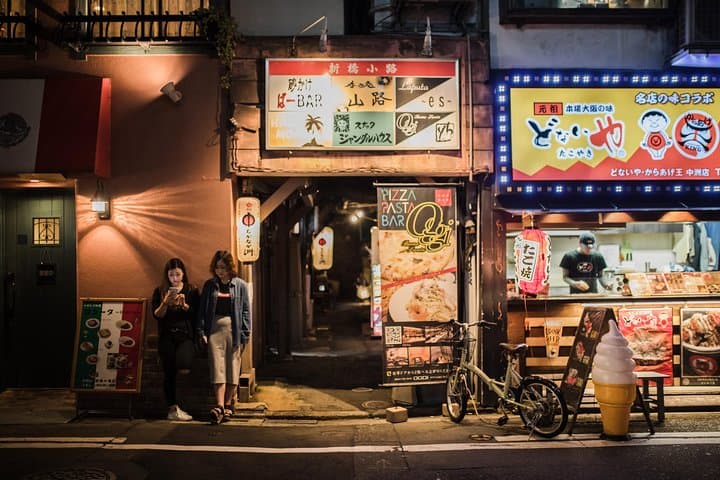
Fukuoka’s story is hands-on: a medieval gateway to Korea and China, the merchant energy of Hakata, and shrines like Dazaifu Tenmangū honoring scholar-statesman Sugawara no Michizane. Geology is subtle here — reclaimed bays, river flats and sandy coasts that shaped port growth. Culture appears in small rituals: bowing at shrine gates, ordering ramen by ticket machine, and the nightly choreography of yatai stalls along Nakasu.
Your host tailors the day — a castle ruin climb with cherry blossoms if it’s spring, a market sweep for fresh fish, or a rooftop view from Fukuoka Tower at dusk. Expect 7–8 hours on foot with short public-transit hops possible. Bring comfortable shoes, a light rain layer, and a small daypack; pace is relaxed but continuous. Hydrate often and carry cash for yatai and shrine offerings. If you want photography time, tell your host early — they’ll rework the route.
This tour blends local insight with practical planning: discover pockets of history and food that guidebooks miss, while keeping the logistics simple and flexible.
easy.
7–8 hours.
Suitable for most fitness levels; expect several kilometers of walking with intermittent stops for food and photos.
Yes — the tour is private and flexible; your host will plan based on your interests and you can change the plan during the experience.
The experience is marked wheelchair and stroller accessible, but accessibility can vary by specific stop — confirm details with your host when arranging meeting points.
Food is not included; hosts can recommend or accompany you to yatai and restaurants, and public-transport legs can be arranged at extra cost.
By default the host waits in front of Tully’s Coffee at Hakata KITTE ground level; you can request a different central meeting point when confirming details.
Fukuoka grew as a maritime gateway between Japan and the Asian continent; Hakata merchants historically connected the city to trade routes and cultural exchange. Dazaifu was once the administrative center for Kyushu.
Respect local spaces by minimizing single-use plastics and following shrine rules; yatai operators and parks work to balance tourism with neighborhood quality of life.
City Unscripted operates guided outdoor trips and adventures with an emphasis on safety, stewardship, and memorable experiences.
You step out of Hakata Station into a humid slice of city where neon and cedar-scented air meet. Your host waits by Tully’s Coffee, a local face with a map that’s half city plan, half personal recommendations. Together you plunge into lanes where ramen steam mingles with tram bell and the Naka River dares you to slow down and watch the light change.
You step out of Hakata Station into a humid slice of city where neon and cedar-scented air meet. Your host waits by Tully’s Coffee, a local face with a map that’s half city plan, half personal recommendations. Together you plunge into lanes where ramen steam mingles with tram bell and the Naka River dares you to slow down and watch the light change.
Fukuoka’s story is hands-on: a medieval gateway to Korea and China, the merchant energy of Hakata, and shrines like Dazaifu Tenmangū honoring scholar-statesman Sugawara no Michizane. Geology is subtle here — reclaimed bays, river flats and sandy coasts that shaped port growth. Culture appears in small rituals: bowing at shrine gates, ordering ramen by ticket machine, and the nightly choreography of yatai stalls along Nakasu.
Your host tailors the day — a castle ruin climb with cherry blossoms if it’s spring, a market sweep for fresh fish, or a rooftop view from Fukuoka Tower at dusk. Expect 7–8 hours on foot with short public-transit hops possible. Bring comfortable shoes, a light rain layer, and a small daypack; pace is relaxed but continuous. Hydrate often and carry cash for yatai and shrine offerings. If you want photography time, tell your host early — they’ll rework the route.
This tour blends local insight with practical planning: discover pockets of history and food that guidebooks miss, while keeping the logistics simple and flexible.